

From:
$9.20
94% OFF
Prescription required
Nebivolol (Generic Bystolic): Uses, Dosage, Side Effects, and More
Reviewed by:


From:
$9.20
94% OFF
Prescription required
Nebivolol (Bystolic) is a prescription beta-blocker primarily used to treat high blood pressure (hypertension). Blocking beta-1 receptors in the heart slows heart rate, reduces contractility, and relaxes blood vessels, thereby lowering blood pressure and reducing strain. This can help reduce the risk of heart attacks, strokes, and other complications. Nebivolol is often preferred for its selective beta-blocking action and fewer side effects compared to older beta-blockers. Nebivolol requires a prescription and should be used only under the supervision of a healthcare provider.
Your Prescription
Ready to Fill
Your savings with us
94%
Avg. price at other pharmacies
$142

Drug Facts
Generic name
Nebivolol Hydrochloride
Brand names
Bystolic
Drug type
Beta-blocker (cardioselective)
Controlled substance
Not a controlled medication
Dosage forms
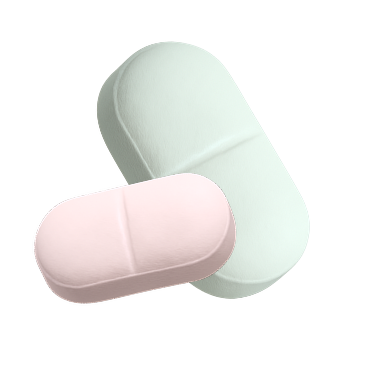
Tablets
Typical dosage
5 mg once daily; may be increased up to 40 mg daily based on response and clinical need.
Basics
What Is Nebivolol?
Nebivolol is the generic version of Bystolic and has the same pharmacological properties. Both Bystolic and nebivolol are used to manage hypertension by targeting beta-1 adrenergic receptors, thereby reducing heart rate and contractility. They work by reducing the heart’s workload and decreasing the force of its contractions, thereby lowering blood pressure.
Although they have identical clinical uses and outcomes, Bystolic is the brand-name version, whereas nebivolol is the generic. Patients often choose between the two based on availability, cost, and personal preference, although they are interchangeable with respect to treatment efficacy.
Nebivolol is a selective beta-blocker, meaning it primarily affects beta-1 adrenergic receptors, which are predominantly found in cardiac tissue. This selectivity helps minimize potential side effects on the respiratory system, making it a suitable choice for many patients.
Additionally, nebivolol’s unique feature is its vasodilatory property, which results from nitric oxide release and further relaxes and dilates blood vessels, enhancing its effectiveness in lowering blood pressure.
Note: This medication’s generic and brand-name formulations are used interchangeably throughout this article.
What Is Bystolic?
Bystolic is a prescription medication widely used in the treatment of high blood pressure, also known as hypertension. Bystolic is a ‘Third-Generation’ beta-blocker. Unlike older drugs that only slow the heart, Bystolic also stimulates the blood vessel lining (endothelium) to release Nitric Oxide (NO). Nitric oxide is a powerful natural gas that tells your arteries to ‘relax’ and widen. This means Bystolic lowers blood pressure through two distinct mechanisms: slowing the pump (the heart) and dilating the pipes (the blood vessels). Because it opens the pipes, it is much less likely to cause the ‘cold hands and feet’ or ‘erectile dysfunction’ often associated with older beta-blockers.
By blocking specific receptors in the heart, beta-blockers such as Bystolic reduce cardiac workload, thereby lowering heart rate and blood pressure and reducing overall strain on the cardiovascular system.
The medication is preferred for its selective action, targeting specific beta receptors that affect heart rate, thereby benefiting patients who require a tailored approach to managing their hypertensive conditions.
Indications
What Is Nebivolol Used For?
Bystolic is primarily used in clinical practice to manage high blood pressure. This condition, known as hypertension, is a significant risk factor for cardiovascular events like strokes and heart attacks.
By controlling blood pressure, Bystolic plays a crucial role in reducing the risk of severe outcomes. In addition to its primary indication, Bystolic may be prescribed for a range of off-label uses, thereby broadening its application in cardiovascular care.
Primary Indications
- Management of high blood pressure (hypertension): Bystolic is indicated for the management of hypertension, effectively lowering blood pressure and reducing the risk of related heart complications.
Off-Label Uses
- Angina pectoris (chest pain): Bystolic may be used to relieve chest pain or discomfort associated with insufficient blood flow to the heart.
- Heart failure treatment: Although not its primary indication, Bystolic may be prescribed as part of a comprehensive treatment plan for heart failure, providing cardiovascular benefits that support cardiac function.
- Migraine prophylaxis: Some healthcare providers prescribe Bystolic for migraine prevention, attributed to its ability to modulate blood vessel tension and neurological excitability.
The use of Bystolic extends beyond hypertension, given its beneficial effects on cardiac and vascular health. Patients and healthcare providers may choose Bystolic to address various cardiovascular conditions, tailoring treatment plans to individual patient needs.
Mechanism
How Does Nebivolol Work?
Bystolic’s effectiveness in managing hypertension and related conditions is primarily attributed to its selective action on beta-1 adrenergic receptors. By targeting these receptors, Bystolic specifically affects cardiac tissue, providing a tailored approach to cardiovascular therapy.
Mechanism of Action
Bystolic operates as a selective beta-1 adrenergic receptor blocker. This specificity is crucial because beta-1 receptors are primarily expressed in cardiac tissue. By inhibiting these receptors, Bystolic reduces heart rate and cardiac contractility, thereby decreasing cardiac output.
This ultimately lowers blood pressure. Another significant feature of Bystolic is its vasodilatory effect, which arises from its ability to stimulate nitric oxide release. This action widens blood vessels, thereby lowering blood pressure and improving blood flow.
The dual mechanism—reduction in heart workload and vasodilation—makes Bystolic particularly effective in treating hypertension. Its selective nature reduces the risk of side effects associated with non-selective beta-blockers, which can affect respiratory pathways and exacerbate conditions such as asthma.
Pharmacokinetics
Understanding the pharmacokinetics of Bystolic is vital for optimizing its therapeutic use. Bystolic is well absorbed following oral administration, and peak plasma concentrations are typically reached within 1.5 to 4 hours.
Once in the bloodstream, it undergoes hepatic metabolism, indicating that liver function should be considered in dosing and administration.
The elimination half-life of Bystolic is approximately 12 hours, supporting once-daily dosing. This attribute is beneficial for patient compliance, as it simplifies the medication regimen. Bystolic is primarily excreted through urine and feces, a mirror indicative of its biphasic elimination.
Dosage
Nebivolol Dosages and Administration
Proper dosage and administration of Bystolic are critical for ensuring its effectiveness in managing hypertension while minimizing potential side effects. This section outlines recommended dosages and guidelines for safe and effective administration, helping patients achieve optimal outcomes.
Dosage Recommendations
- Initial Dose: Most patients start with 5 mg once daily. This starting dose is generally sufficient to achieve a therapeutic reduction in blood pressure while allowing for patient assessment and tolerance monitoring.
- Maintenance Dose: Depending on the patient’s response and clinical targets, maintenance doses can range from 5 mg to 40 mg daily. Adjustments are typically based on efficacy, patient-specific factors, and tolerability.
- Maximum Dose: The maximum dose is typically limited to 40 mg per day. Dosage should be carefully titrated under medical supervision, ensuring that patients achieve desired blood pressure goals without excessive dosing.
Dosage should be tailored to individual patient needs, responses, and clinical guidelines. Patients with liver or kidney impairments may require dosage adjustments.
Administration Guidelines
- Consistency: Bystolic should be taken once daily, ideally at the same time each day, to maintain consistent blood levels and maximize its therapeutic effects.
- Food: Bystolic can be taken with or without food, offering flexibility in administration and reducing dietary restrictions.
- Abrupt Discontinuation: Patients should avoid suddenly stopping the medication, as abrupt discontinuation can lead to adverse cardiovascular effects such as rebound hypertension or angina.
Maintaining a consistent regimen helps stabilize blood pressure. For effective management, patients are encouraged to adhere closely to the prescribed treatment plan and to report any side effects or concerns promptly to their healthcare provider.
Get The Right Dose For Less
Why pay retail prices for the same medication?
At Invictus, we source directly from trusted, FDA-approved manufacturers to keep your costs low without sacrificing quality. Whether you need a one-time fill or regular refills, our transparent pricing makes it easy to save every day.
Side Effects
Nebivolol Side Effects and Risks
While Bystolic is generally well-tolerated, patients and healthcare providers need to be aware of potential side effects associated with its use. Understanding these risks enables informed decision-making and ensures that side effects are appropriately managed should they arise.
Common Side Effects
Bystolic, like many medications, can cause a range of side effects. While not everyone will experience these, some of the more common ones include:
- Fatigue: Patients may experience unusual fatigue as the body adjusts to the medication’s effects on heart rate and blood pressure.
- Dizziness: Those taking Bystolic may experience dizziness, particularly when standing up quickly, due to reduced blood pressure.
- Headache: Some individuals report experiencing headaches, which can be attributed to changes in blood vessel tension.
- Nausea and abdominal pain: Gastrointestinal discomfort, including nausea or abdominal pain, may occur in some patients as an initial response to Bystolic.
These side effects are typically mild and often resolve as the body acclimates to the medication. It is advised to consult a healthcare provider if these effects persist or become bothersome.
Serious Side Effects
While rare, some serious side effects may necessitate medical attention:
- Bradycardia: An abnormally slow heart rate can occur, particularly in individuals who are sensitive to beta-blockers or on higher doses.
- Severe allergic reactions: These reactions are uncommon but can occur; symptoms may include swelling, difficulty breathing, or a rash, and warrant immediate medical care.
- Respiratory issues: Wheezing or shortness of breath may occur, particularly in patients with pre-existing respiratory conditions.
- Swelling of extremities: Unexplained swelling, especially in the extremities, might indicate an adverse reaction.
It is crucial for patients experiencing these severe side effects to seek immediate medical consultation. Healthcare providers can provide guidance on when to consider modifying treatment or discontinuing medication, if necessary.
Interactions
Nebivolol Interactions
Bystolic can interact with other medications and substances, potentially affecting its efficacy and safety profile. Awareness of these interactions is important for both patients and healthcare providers.
Primary Drug Interactions
Certain drugs can interact with Bystolic, leading to enhanced or diminished effects:
- Other beta-blockers or antiarrhythmic drugs: Concurrent use with Bystolic may intensify bradycardia, increasing the risk of bradycardia.
- Blood pressure medications such as calcium channel blockers: Combination therapy requires monitoring to prevent excessively low blood pressure or heart rate.
- NSAIDs such as ibuprofen: These can potentially interfere with the blood pressure-lowering effects of Bystolic, necessitating careful blood pressure monitoring.
Recommendations
- Avoid alcohol consumption: Alcohol can potentiate the blood pressure-lowering effects of Bystolic, increasing the risk of dizziness or fainting.
- Consult healthcare providers: Before starting, stopping, or combining Bystolic with other medications, including over-the-counter drugs and supplements, it is important to seek professional guidance.
Understanding and managing these interactions can optimize Bystolic therapy, contributing to effective blood pressure management while minimizing potential side effects.
Contraindications
Nebivolol Contraindications
Contraindications to Bystolic indicate circumstances in which its use should be avoided or approached with caution. Consulting a healthcare provider ensures that treatment aligns with individual health needs and conditions.
Absolute Contraindications
Some conditions make the use of Bystolic inappropriate:
- Severe bradycardia: Extremely slow heart rate precludes Bystolic use due to its potential to further decrease heart rate.
- Cardiogenic shock: This critical condition, affecting the heart’s ability to pump effectively, is incompatible with Bystolic therapy.
- Decompensated heart failure requiring intravenous inotropic therapy: Bystolic’s effect on heart rate and contractility renders it unsuitable during acute heart failure management.
Warnings and Precautions
Precautions help ensure safe and effective use of Bystolic:
- Severe allergic history: Patients with a history of severe allergies should use Bystolic cautiously, with close medical supervision.
- Gradual discontinuation: To avoid withdrawal symptoms or exacerbation of angina, Bystolic should be tapered gradually under a healthcare provider’s guidance.
Recognizing these contraindications and precautions supports the careful, informed use of Bystolic, thereby promoting the health and safety of patients undergoing treatment. Always consult with healthcare professionals to tailor Bystolic use to individual medical profiles.
Ready to Start Saving?
No one should overpay for safe, effective medication. By cutting out middlemen and working directly with trusted, FDA-approved manufacturers, Invictus offers the same high-quality medicines you’d find at big retail pharmacies—at a fraction of the price.
Whether you choose brand-name or generic, we’ll deliver it quickly, affordably, and right to your door. Maybe that’s why most patients who switch to Invictus never look back.
Frequently Asked Questions (FAQs)
Didn’t see the answers you’re looking for in this article? Check out this comprehensive FAQ for more details.
Administration & Dosage
Bystolic is typically administered orally as tablets. It is vital to adhere strictly to your healthcare provider's instructions regarding dosage and timing. It is generally consumed once daily, with or without food. Consistency in medication use ensures optimal results.
For the treatment of high blood pressure, the initial dose of Bystolic is often 5 mg once daily. Your healthcare provider might modify the dose based on how well your body responds to the medication. Following their direction is essential for effective treatment.
Self-adjusting your Bystolic dosage is not recommended. Your healthcare professional should guide any dosage changes to ensure safety and effectiveness. Always consult your doctor before making changes to your medication regimen.
Bystolic generally begins lowering blood pressure within a few hours of ingestion. However, it may require several weeks to achieve full therapeutic benefits. Consistent daily use is crucial to maximizing the medication's impact on hypertension.
If a dose is missed, take it as soon as you remember. If it’s near your next scheduled dose, skip the missed dose and continue with your regular dosing schedule. Refrain from doubling doses to make up for a missed dose.
Uses & Mechanism of Action
Bystolic is primarily prescribed to manage high blood pressure, also known as hypertension. Effective blood pressure management with medications like Bystolic is instrumental in reducing the risk of strokes, heart attacks, and other cardiovascular events.
Bystolic (nebivolol) is a beta-blocker. It functions by blocking certain natural substances in the body, such as epinephrine, in the heart and blood vessels. This action lowers heart rate and blood pressure, reducing cardiac strain and promoting cardiovascular health.
Bystolic is classified as a beta-blocker. Beta blockers are commonly used to manage cardiovascular conditions by regulating cardiac rhythm and improving circulatory efficiency. These effects make them suitable for treating hypertension and related disorders.
Bystolic helps lower heart rate, which is part of its therapeutic function in managing high blood pressure. Reducing heart rate reduces the workload on the heart, thereby improving overall cardiovascular health.
The active component of Bystolic, nebivolol, is a selective beta-1 receptor blocker with vasodilatory effects. It enhances nitric oxide release, thereby promoting vessel dilation and improved blood flow, effectively managing high blood pressure and related issues.
Side Effects & Safety
Weight gain is not a commonly reported side effect of Bystolic. However, individuals may respond differently to medications, and any unexpected weight changes should be discussed with the healthcare provider for personalized advice and appropriate management.
Notable side effects of Bystolic include fatigue, dizziness, headache, and nausea. More severe side effects can occur, though less frequently. Patients must report unusual symptoms to their healthcare provider for immediate assessment and management.
Long-term use of Bystolic may lead to persistent fatigue or dizziness in some individuals. Continuing regular consultations with your healthcare provider can help monitor and manage potential chronic side effects to optimize long-term treatment.
To use Bystolic safely, strictly follow your physician's prescribed directions, note any side effects, and regularly attend follow-up appointments. Being proactive about your treatment and forthcoming about your health helps ensure effective medication management.
Bystolic's safety during pregnancy has not been well-established. If you are pregnant or planning to become pregnant, discuss this with your healthcare provider. They can evaluate the risks and benefits specific to your situation and suggest suitable alternatives.
Interactions & Contraindications
Bystolic may interact with various medications, such as other blood pressure drugs, antidepressants, and certain asthma medications. Inform your healthcare provider about all other medications you take, including supplements or over-the-counter products.
Bystolic can generally be taken with aspirin under a healthcare provider's guidance. Aspirin is sometimes recommended for heart health. Consult your provider to ensure this combination addresses your specific health needs without detrimental interactions.
Bystolic is contraindicated in patients with severe bradycardia, heart block, or severe liver impairment. Individuals with a known allergy to nebivolol should also avoid it. Consult your healthcare provider for a thorough evaluation if any contraindications apply to you.
Consuming alcohol while taking Bystolic is not typically recommended. Alcohol can exacerbate Bystolic's blood pressure-lowering effects, leading to increased risks of dizziness or fainting. Consult your healthcare provider to discuss safe alcohol consumption while on the medication.
Managing potential interactions involves maintaining an up-to-date list of all medications, discussing them regularly with your healthcare provider, and promptly reporting any unusual symptoms. This approach allows for precise medication adjustments to optimize therapy.
Generic & Alternatives
Nebivolol is the generic name for Bystolic. Both refer to the same active ingredient used to treat hypertension. Generic versions offer the same therapeutic benefits and are often more cost-effective alternatives for managing hypertension.
Bystolic can be expensive due to factors such as manufacturing costs, brand exclusivity, and market demand. Discussing generic alternatives and exploring insurance or discount programs with your healthcare provider or pharmacist might help manage medication costs.
There are alternative medications to Bystolic within the class of beta blockers or other antihypertensive drugs. Options such as metoprolol or atenolol may be considered depending on individual health needs and responses. Consult with your healthcare provider for tailored advice.
Switching from Bystolic to another beta-blocker should be closely managed by a healthcare provider. They will consider your specific health needs and adjust the medication regimen to ensure continuity of care and optimal blood pressure control.
Lifestyle modifications, such as dietary adjustments, regular exercise, stress management, and smoking cessation, complement the effects of Bystolic. These changes enhance the effectiveness of therapy by addressing additional cardiovascular risk factors and improving overall health outcomes.
Disclaimer
The information provided on this page is for general informational purposes only and is not intended as medical advice. Always consult with a licensed healthcare provider before starting, stopping, or changing any medication regimen. While Invictus strives to provide accurate and up-to-date information, individual health conditions and circumstances vary. The prices, availability, and descriptions of all medications on this page are subject to change.
Your Prescription
Ready to Fill
Your savings with us
94%
Avg. price at other pharmacies
$142