

From:
$10.11
80% OFF
Prescription required
Famotidine (Generic Pepcid AC): Uses, Dosage, Side Effects, and More
Reviewed by:


From:
$10.11
80% OFF
Prescription required
Famotidine is an H2 (histamine-2) receptor blocker used to treat and prevent conditions caused by excess stomach acid, including GERD, ulcers, and Zollinger–Ellison syndrome. By reducing acid production, it relieves heartburn, indigestion, and sour stomach while promoting healing of the stomach and esophagus. Famotidine is available both by prescription and over the counter for short-term heartburn relief. It should be taken exactly as directed, with or without food, and is often used at bedtime to prevent nighttime acid symptoms.
Your Prescription
Ready to Fill
Your savings with us
80%
Avg. price at other pharmacies
$52

Drug Facts
Generic name
Famotidine
Brand names
Pepcid AC
Drug type
H2 (histamine-2) receptor blocker
Controlled substance
Not a controlled medication
Dosage forms
Tablets, oral suspension, intravenous injection
Typical dosage
For gastroesophageal reflux disease (GERD) or acid reflux, famotidine is commonly prescribed at 20 mg once or twice daily. For gastric or duodenal ulcers, dosing is typically 20 mg twice daily or 40 mg taken at bedtime for 6–8 weeks. For OTC heartburn relief, famotidine is used at 10–20 mg as needed, taken once or twice daily, with a maximum of two doses per day.
Basics
What Is Famotidine?
Famotidine is a medication used to reduce stomach acid production and treat a variety of acid-related gastrointestinal conditions. It is commonly prescribed for gastroesophageal reflux disease (GERD), stomach and intestinal ulcers, and conditions involving excessive acid secretion such as Zollinger–Ellison syndrome.
By lowering stomach acid levels, famotidine helps relieve symptoms such as heartburn and indigestion while protecting the lining of the gastrointestinal tract from acid-related damage. Its acid-suppressing effects make it useful for both short-term symptom relief and longer-term ulcer prevention.
Note: This medication’s generic and brand-name formulations are used interchangeably throughout this article.
What is Pepcid AC?
Pepcid AC is the brand-name formulation of famotidine, a histamine-2 (H2) receptor blocker. Famotidine works by blocking H2 receptors in the stomach lining, reducing acid production at its source. This mechanism distinguishes it from antacids, which neutralize acid after it has already been produced.
Pepcid AC is effective for treating active ulcers, preventing ulcer recurrence, and managing acid reflux symptoms, and is widely used due to its reliable efficacy, rapid onset, and favorable safety profile.
Zantac Alternative: Pepcid has firmly emerged as the preferred and safest H2 blocker following the 2020–2021 recalls of ranitidine (Zantac). Because famotidine does not form the carcinogen NDMA, it is now the first-line recommendation for patients who need stronger acid control than antacids but wish to avoid the long-term bone and kidney risks associated with proton pump inhibitors (PPIs).
Indications
What Is Famotidine Used For?
Pepcid has a broad range of clinical uses, focusing predominantly on acid-related gastrointestinal conditions. It is especially prescribed for certain primary indications but also finds utility in some off-label applications.
Primary Indications
Pepcid is primarily indicated for the treatment of a variety of conditions linked to stomach acid overproduction:
- Peptic Ulcers: These are open sores that develop on the lining of the stomach or the upper part of the small intestine. Pepcid is effective in both treating active ulcers and preventing their recurrence by decreasing stomach acid production.
- Gastroesophageal Reflux Disease (GERD): This chronic condition involves the flow of stomach acid back into the esophagus, causing heartburn and irritation. By reducing acidity, Pepcid helps alleviate these symptoms and prevent potential damage to the esophageal lining.
- Zollinger-Ellison Syndrome: This rare condition involves tumors in the pancreas or duodenum that cause excessive stomach acid production. Pepcid is used to manage this condition’s symptomatic hyperacidity, protecting the gastrointestinal tract.
Off-Label Uses
Apart from its primary applications, Pepcid is also used for several off-label indications, which benefit from its acid-suppressing properties:
Non-Ulcer Dyspepsia: Pepcid may be used to manage functional dyspepsia, characterized by upper abdominal discomfort or pain with no obvious cause. Its ability to lower stomach acid can alleviate bloating and associated pain.
Mechanism
How Does Famotidine Work?
Understanding how Pepcid functions requires an exploration of its mechanism of action and pharmacokinetics. Its efficacy in managing acid-related conditions stems from its ability to interfere with the physiological processes underlying acid production.
Mechanism of Action
Pepcid, or famotidine, operates by selectively blocking histamine H2 receptors located in the stomach lining. Histamine is a chemical that stimulates acid-secreting parietal cells, which are responsible for producing hydrochloric acid in the stomach. By inhibiting these receptors, Pepcid reduces the stimulation of these cells, decreasing gastric acid secretion and alleviating symptoms such as heartburn.
Moreover, lowering acid levels diminishes the risk of acid reflux. It protects the esophagus and stomach lining from acid-related damage, which is crucial for managing chronic conditions like GERD and Zollinger-Ellison syndrome.
Pharmacokinetics
Once administered orally, Pepcid is rapidly absorbed into the bloodstream, with peak plasma concentrations typically achieved within 1 to 3 hours. Its bioavailability is moderate, and it is minimally affected by food intake, allowing flexible dosing around meals.
Pepcid undergoes minimal metabolism and is primarily excreted unchanged via the kidneys. This renal excretion is why dosage adjustments may be necessary in patients with renal impairment to prevent accumulation and potential toxicity.
The efficient absorption and prolonged action of Pepcid provide sustained acid suppression, making it suitable for both quick relief of acute symptoms and long-term management of acid-related disorders.
Dosage
Famotidine Dosages & Administration
Administering Pepcid effectively involves understanding the appropriate dosages for specific conditions and adhering to recommended guidelines. Proper use maximizes its therapeutic benefits while minimizing potential side effects.
Dosage Recommendations
- GERD: For managing gastroesophageal reflux disease, the typical dose of Pepcid is 20 mg taken once or twice daily. This dosing strategy helps maintain acid suppression throughout the day and night.
- Peptic Ulcers: A standard regimen for treating peptic ulcers involves administering 40 mg of Pepcid at bedtime. This dose has been effective in promoting ulcer healing and preventing recurrence.
Specific dosage adjustments may be necessary for certain populations, such as those with renal impairment, necessitating careful monitoring by healthcare professionals.
Administration Guidelines
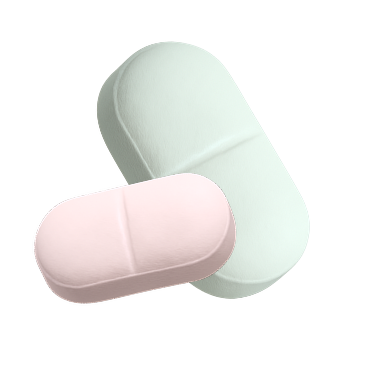
Pepcid is available as a tablet, chewable tablet, and orally disintegrating tablet, allowing patients to take it with or without food. It should be taken before meals or at bedtime to prevent acid problems during digestion or sleep. While taking Pepcid after meals is acceptable, pre-meal administration is more effective in controlling stomach acid.
Patients are typically advised not to exceed two doses within 24 hours without a healthcare provider’s guidance. Adhering to these dosage and administration guidelines ensures that patients receive optimal therapeutic benefit, whether for acute symptom relief or sustained management of chronic conditions.
- Double-H Allergy Protocol: While Pepcid remains primarily an acid-reducing medication, 2025 guidelines increasingly include it in H1/H2 blocker therapy for conditions such as mast cell activation syndrome (MCAS) and severe chronic hives, combining an H1 antihistamine (e.g., loratadine or cetirizine) with Pepcid as the H2 blocker. Dual blockade is often needed to control systemic histamine-driven symptoms that a single antihistamine cannot adequately manage.
Get The Right Dose For Less
Why pay retail prices for the same medication?
At Invictus, we source directly from trusted, FDA-approved manufacturers to keep your costs low without sacrificing quality. Whether you need a one-time fill or regular refills, our transparent pricing makes it easy to save every day.
Side Effects
Famotidine Side Effects and Risks
While Pepcid is generally well-tolerated, like any medication, it can cause side effects. Understanding these potential risks helps patients use Pepcid safely and effectively.
Common Side Effects
Many people using Pepcid experience minimal significant side effects. However, some common issues that may arise include:
- Headache: A frequent complaint among users, which can range from mild to moderate.
- Dizziness: Some individuals may experience light-headedness, especially when first starting the medication.
- Constipation: Constipation can be a side effect, particularly when taken over extended periods.
- Diarrhea: Conversely, Pepcid can also lead to diarrhea in some cases. The modification in stomach acid levels can sometimes disrupt normal bowel habits.
These side effects are usually mild and tend to resolve as the body adjusts to the medication. Nonetheless, if they persist or become bothersome, it is advisable to seek medical advice.
Serious Side Effects
Although rare, serious side effects can occur and require immediate medical attention. These include:
- Severe Allergic Reactions: Indicators such as rash, itching/swelling, severe dizziness, or trouble breathing necessitate urgent medical intervention as they may signal an allergic reaction.
- Heart Rhythm Problems: Some users might face irregular heartbeats or palpitations, particularly those with pre-existing cardiac conditions.
- Mood Changes: In rare instances, patients might experience confusion, depression, or hallucinations. Any notable changes in mood or behavior should be discussed with a healthcare professional.
- Tachyphylaxis (2025 Warning): Clinicians emphasize preventing tachyphylaxis, a tolerance that can develop when Pepcid is taken daily for more than two weeks, reducing its effectiveness. To maintain benefit, current strategies recommend pulsed or as-needed dosing during symptom flares, or using Pepcid as a short-term bridge while tapering off a PPI such as Nexium.
Being aware of these potential side effects helps patients weigh the benefits and risks of Pepcid and recognize when medical attention may be necessary. Consulting a healthcare provider can help manage adverse effects effectively.
Interactions
Famotidine Interactions
Interactions between Pepcid and other medications can impact its effectiveness and increase the risk of side effects. When using Pepcid, it’s crucial to be aware of these potential interactions and discuss them with a healthcare provider.
Primary Drug Interactions
Several drugs can interact with Pepcid, potentially altering its absorption and efficacy:
- Antifungals (Ketoconazole): Pepcid may alter the stomach environment, reducing the absorption and effectiveness of certain antifungal medications.
- Antiretrovirals (Atazanavir): The effectiveness of atazanavir, an antiretroviral medication, can be hampered by Pepcid due to changes in stomach acidity, which affect drug absorption.
- Other Acid-Reducing Drugs: Using Pepcid in conjunction with other acid reducers, such as PPIs or antacids, could lessen the effectiveness of either medication and lead to inadequate control of symptoms.
Other Considerations
Combining Pepcid with over-the-counter antacids like Tums can provide additional symptom relief. However, it is important to space these medications apart to prevent absorption issues. Additionally, while it is generally safe to take ibuprofen after Pepcid, spacing doses can help minimize the risk of stomach irritation.
Pepcid’s interactions with other drugs necessitate informed use. Patients are advised to discuss all medications they are currently taking with their healthcare provider to prevent harmful interactions and ensure effective treatment.
Contraindications
Famotidine Contraindications
Pepcid, while effective and generally safe, is not suitable for everyone. Understanding when Pepcid should not be used is crucial for safe administration.
Absolute Contraindications
Pepcid should not be used in patients with certain conditions:
- Hypersensitivity to Famotidine or Components: Individuals with known allergies to famotidine or any ingredient in Pepcid should avoid using this drug due to the risk of severe allergic reactions.
Warnings & Precautions
Patients with renal impairment should exercise caution when using Pepcid, as their condition may affect the drug’s excretion and increase the risk of side effects. It is crucial to consult a healthcare provider to assess the appropriateness of Pepcid in such scenarios.
While Pepcid is an H2 antihistamine that reduces stomach acid production, it is not the same as the H1 antihistamines used for allergy treatment. Pregnant women considering Pepcid should consult their healthcare provider to weigh the benefits and potential risks, as it is sometimes used cautiously during pregnancy.
Ready to Start Saving?
No one should overpay for safe, effective medication. By cutting out middlemen and working directly with trusted, FDA-approved manufacturers, Invictus offers the same high-quality medicines you’d find at big retail pharmacies—at a fraction of the price.
Whether you choose brand-name or generic, we’ll deliver it quickly, affordably, and right to your door. Maybe that’s why most patients who switch to Invictus never look back.
Frequently Asked Questions (FAQs)
Didn’t see the answers you’re looking for in this article? Check out this comprehensive FAQ for more details.
Administration & Dosage
Pepcid (famotidine) is typically taken once or twice per day. Ensure you follow the dosing instructions on the packaging or those provided by your healthcare provider, as dosages can vary depending on the condition being treated and patient-specific factors.
Pepcid should be taken either once a day at bedtime or twice a day in the morning and at bedtime, depending on individual needs.
Pepcid usually begins to work within one hour of ingestion. The acid-reducing effects of Pepcid can last for up to 12 hours, providing relief from heartburn symptoms and conditions associated with excess stomach acid production.
Pepcid can be taken after eating if necessary. However, for preventing heartburn or other acid-related symptoms, taking Pepcid before meals may offer better efficacy. Always follow the timing recommendations of your healthcare provider or the label instructions.
Do not exceed more than two Pepcid AC Maximum Strength tablets in 24 hours unless directed by a healthcare professional. Following the recommended dosage provided by your healthcare professional or the packaging is essential for safe and effective use.
Pepcid is available in several forms, including tablets, chewable tablets, and orally disintegrating tablets. The most suitable form depends on the patient's preferences and needs. Consult your healthcare provider for guidance on which form is ideal for your condition.
The dosage of Pepcid for dogs varies based on weight and the condition being treated. It is essential to consult a veterinarian before giving Pepcid or any over-the-counter medication to your pet to ensure safety and proper dosing.
Uses & Mechanism of Action
Pepcid is used to treat and prevent ulcers in the stomach and intestines. It is also indicated for treating conditions that cause excess stomach acid, such as gastroesophageal reflux disease (GERD) and Zollinger-Ellison syndrome, thereby managing heartburn symptoms.
Pepcid works by reducing the amount of acid your stomach produces. As an H2 blocker, it targets specific receptors in the stomach lining, alleviating symptoms such as heartburn, indigestion, and discomfort associated with excessive acid production.
Pepcid is not classified as an antacid. Unlike antacids, which neutralize existing stomach acid, Pepcid is an H2 blocker that reduces stomach acid production, helping prevent the recurrence of acid-related symptoms and complications.
While Pepcid is an H2 histamine receptor blocker, it should not be confused with antihistamines used for allergy relief. Instead, Pepcid blocks histamine receptors explicitly in the stomach, reducing acid production and improving gastrointestinal symptoms.
Pepcid is not typically used to treat nausea directly. Its main purpose is to reduce stomach acid, which could indirectly help if nausea is associated with acid reflux or GERD. For persistent nausea, consult a healthcare provider for tailored advice.
Pepcid is not primarily used for gas relief. Its ability to reduce stomach acid can help with conditions that cause heartburn, but it may not directly address gas. For gas-related discomfort, consider other treatments or consult a healthcare provider.
While Pepcid can alleviate symptoms related to acid reflux and heartburn, it is not specifically intended to treat bloating. If bloating persists, it's advisable to seek medical advice to explore other potential causes and suitable treatments.
Side Effects & Safety
Constipation is a less common side effect of Pepcid. While not every user will experience this, some individuals may. Contact your healthcare provider if constipation becomes bothersome or persistent while taking the medication.
Diarrhea is a potential side effect of Pepcid, though it is not prevalent. If you experience persistent diarrhea, especially if it is severe, it's advisable to consult with a healthcare provider to discuss your symptoms and possible adjustments.
Sleepiness is not a frequent side effect of Pepcid. However, individual reactions to medications can vary. If you notice unusual drowsiness after taking Pepcid, it is important to discuss this with your healthcare provider for appropriate advice.
Taking famotidine at night helps reduce stomach acid production during sleep, providing relief from overnight heartburn and aiding in the healing of the stomach lining. It can also help manage morning acid reflux symptoms.
Famotidine, like Pepcid, may lead to constipation in some cases. If you are experiencing this side effect, consult your healthcare provider for recommendations on managing it or for alternative treatment options that might be better suited to you.
Famotidine may be used during pregnancy if approved by your healthcare provider. It's important to discuss with your provider to understand the potential risks and benefits of using famotidine while pregnant to ensure health and safety.
While rare, bloating and gas can occur as side effects of famotidine. If these symptoms persist or worsen, consult your healthcare provider for guidance on managing them or to determine whether an alternative treatment is necessary.
Interactions & Contraindications
Taking Tums with Pepcid is generally considered safe, as they work differently: Tums provides immediate relief by neutralizing stomach acid, while Pepcid reduces acid production. To optimize effectiveness, spacing them out by an hour is recommended.
There is typically no defined waiting period required between Pepcid and ibuprofen unless specific concerns arise. Always follow any personalized medical advice provided by your healthcare provider to avoid potential stomach irritation.
Pepcid may be taken daily, especially when prescribed for chronic conditions like GERD or ulcers. It's important to follow your healthcare provider's guidance on duration and frequency to ensure safety and effectiveness.
Famotidine is not a proton pump inhibitor (PPI). It is an H2 blocker, which reduces stomach acid production by inhibiting histamine receptors. PPIs, by contrast, act on proton pumps to reduce acid production.
Tums can be taken with famotidine, as Tums offers quick acid neutralization while famotidine reduces long-term acid production. Consult your healthcare provider to ensure both medications complement each other effectively and are appropriate for your symptoms.
Generic & Alternatives
Famotidine is the generic name for Pepcid. They have the same active ingredient and offer similar efficacy and use in reducing stomach acid levels, making them interchangeable based on preference or availability.
Alternatives include other H2 blockers, such as ranitidine, and proton pump inhibitors, such as omeprazole. Personal response to these drugs can vary. Consulting a healthcare provider can help determine the most suitable option for managing specific symptoms.
Pepcid, as an H2 blocker, reduces acid production by blocking histamine receptors, while PPIs inhibit the proton pump mechanisms responsible for stomach acid secretion. This difference affects the action speed and duration of acid suppression.
As of the latest information, Pepcid has not been discontinued. However, medication availability can change, so for the most current information, consult healthcare providers or pharmacists to verify Pepcid's status.
Pepcid and Zantac are both H2 blockers with different active ingredients: famotidine in Pepcid and ranitidine in Zantac. Zantac has faced recalls and availability issues. Consult your healthcare provider for suitable alternatives in line with current safety standards.
Disclaimer
The information provided on this page is for general informational purposes only and is not intended as medical advice. Always consult with a licensed healthcare provider before starting, stopping, or changing any medication regimen. While Invictus strives to provide accurate and up-to-date information, individual health conditions and circumstances vary. The prices, availability, and descriptions of all medications on this page are subject to change.
Your Prescription
Ready to Fill
Your savings with us
80%
Avg. price at other pharmacies
$52