

From:
$10.41
37% OFF
Prescription required
Estradiol (Generic Estrace): Uses, Dosage, Side Effects, and More
Reviewed by:


From:
$10.41
37% OFF
Prescription required
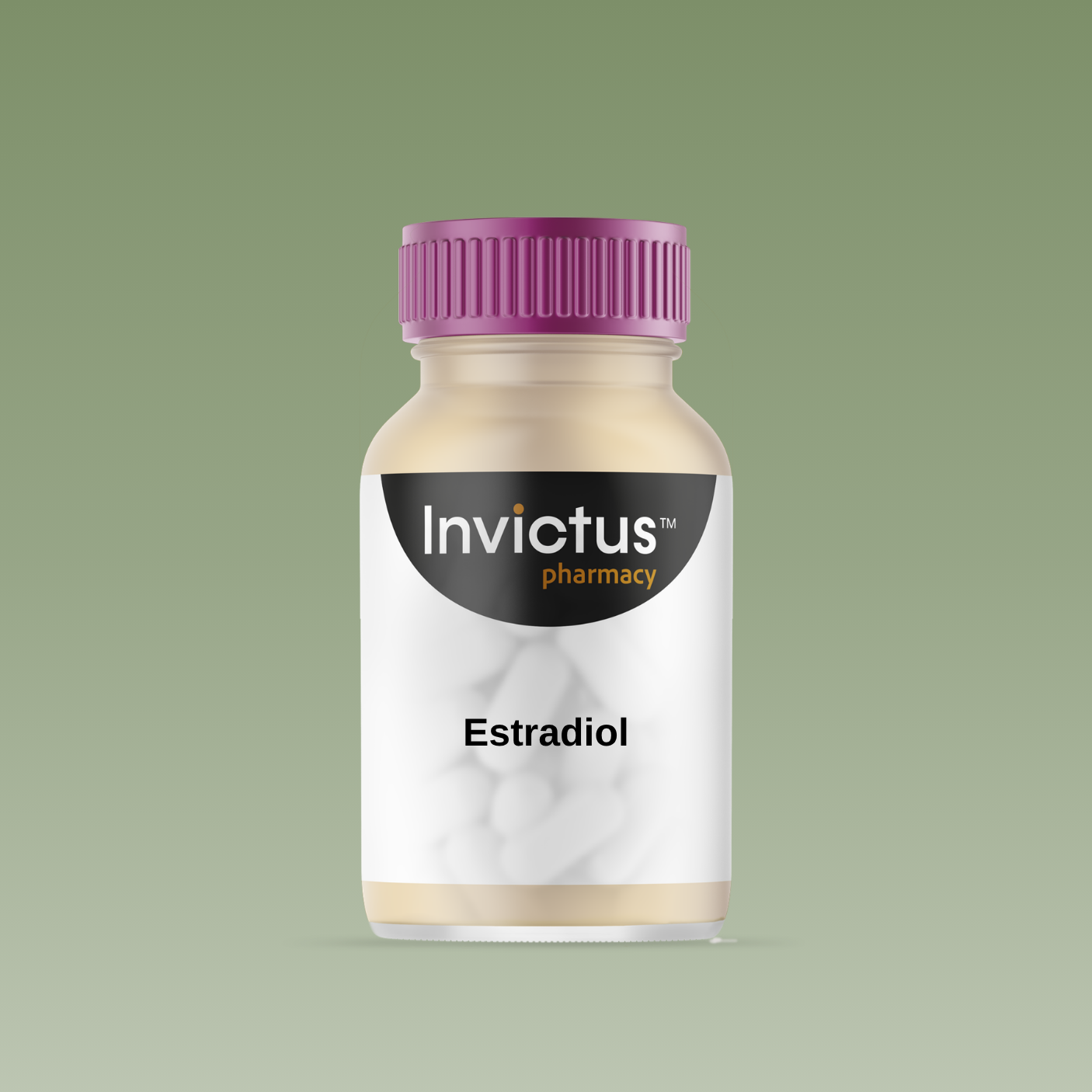
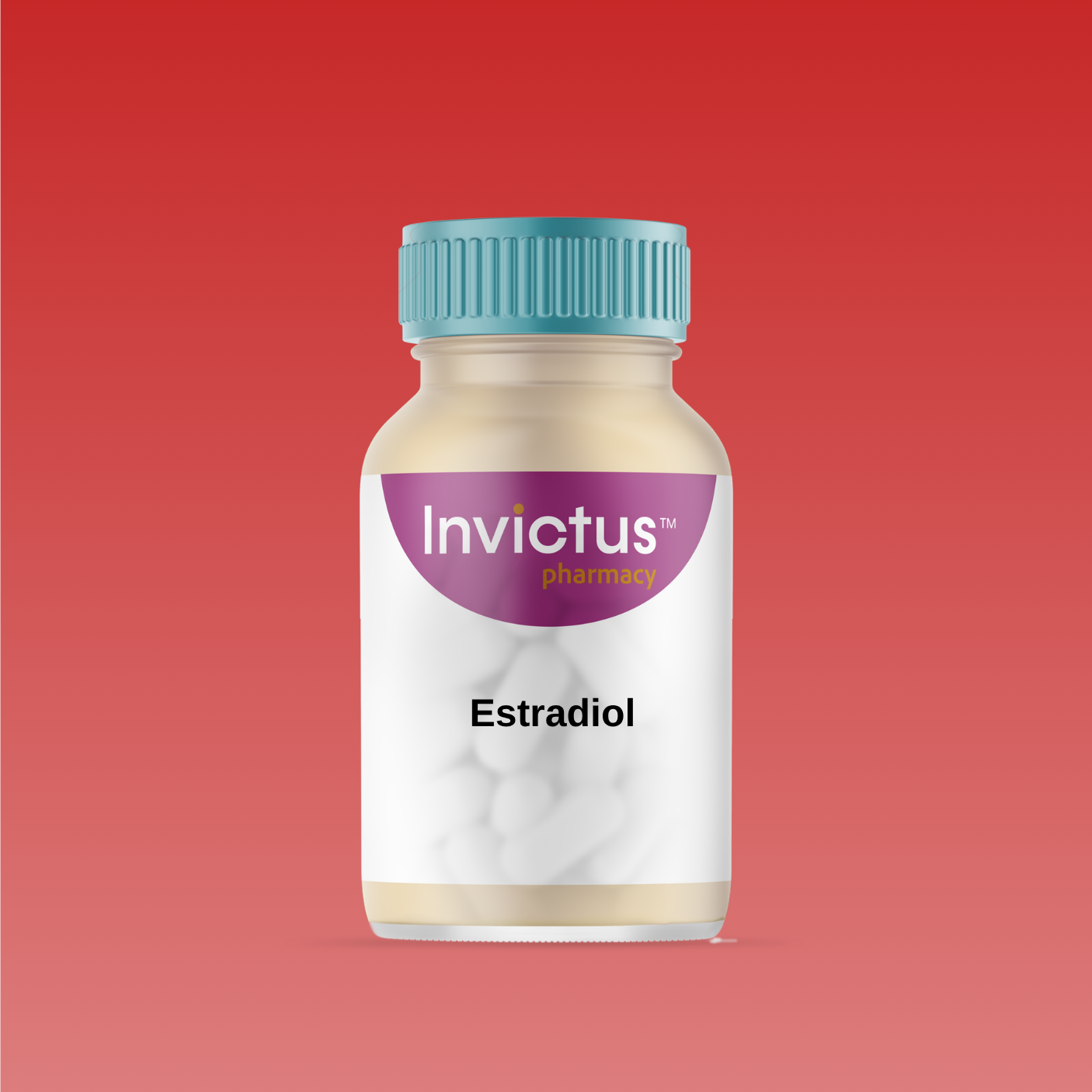
Estradiol is a prescription estrogen hormone used to treat menopausal symptoms such as hot flashes, night sweats, and vaginal dryness. It also helps prevent osteoporosis, correct hormonal imbalances, and support estrogen replacement therapy. By supplementing declining estrogen levels, estradiol helps maintain reproductive tissue, bone, and cardiovascular health. It is available as oral tablets, vaginal cream, and topical forms based on treatment needs. Estradiol must be used exactly as prescribed, at the lowest effective dose for the shortest time necessary. Estrogen therapy may increase the risk of blood clots, stroke, heart attack, or certain cancers, so regular medical monitoring is essential.
Your Prescription
Ready to Fill
Your savings with us
37%
Avg. price at other pharmacies
$16

Drug Facts
Generic name
Estradiol
Brand names
Estrace
Drug type
Estrogen hormone (hormone replacement therapy)
Controlled substance
Not a controlled medication
Dosage forms
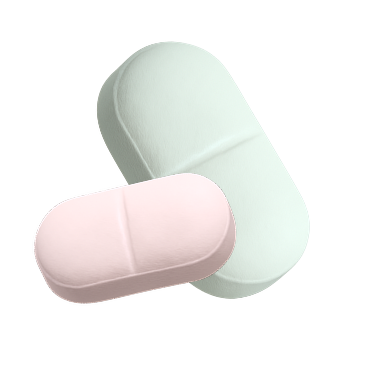
Oral tablets, vaginal cream
Typical dosage
For menopausal symptoms, oral estradiol is commonly prescribed at 1–2 mg once daily, with dose adjustments based on symptom control and tolerability. For vaginal atrophy, estradiol vaginal cream is typically applied at 2–4 g daily for 1–2 weeks, tapered to a maintenance dose of 1 g applied one to three times per week as needed. In osteoporosis prevention, the usual dose is 0.5–1 mg taken orally once daily.
Basics
What Is Estradiol?
Estradiol is a naturally occurring form of estrogen and the primary female sex hormone produced by the ovaries in premenopausal women. It plays a key role in the development and maintenance of female reproductive tissues, including the breasts, uterus, and vagina, and is essential for bone density, cardiovascular health, metabolic regulation, and hormonal balance.
In medical therapy, estradiol is used to treat conditions associated with estrogen deficiency, most commonly menopause, as well as hypogonadism and other disorders that reduce natural estrogen production.
Because pharmaceutical estradiol is bioidentical—chemically identical to endogenous estrogen—it effectively restores hormone levels and supports both physical and emotional well-being.
Note: This medication’s generic and brand-name formulations are used interchangeably throughout this article.
What Is Estrace?
Estrace is the brand-name formulation of estradiol and is commonly prescribed as part of hormone replacement therapy (HRT). It is particularly effective in relieving menopausal symptoms such as hot flashes, night sweats, mood changes, and vaginal dryness by supplementing declining estrogen levels.
In addition to menopausal care, Estrace may also be used in gender-affirming hormone therapy and other clinical settings where estrogen supplementation is indicated, reflecting its broad therapeutic versatility.
Estrace is available in multiple formulations, including oral tablets and vaginal creams, allowing clinicians to tailor treatment to a patient’s symptoms and risk profile.
Indications
What Is Estradiol Used For?
Estrace is predominantly prescribed to address estrogen deficiencies, with applications spanning various medical conditions and situations. Its uses can be categorized into primary indications and off-label uses.
Primary Indications
- Menopausal Symptoms: Estrace is a key treatment for managing menopausal symptoms, including hot flashes, night sweats, mood swings, and vaginal dryness. Supplementing declining estrogen levels alleviates symptoms that can otherwise significantly impact quality of life.
- Osteoporosis Prevention: Postmenopausal women are at increased risk of osteoporosis, a condition characterized by low bone mass and microarchitectural deterioration. Estrace helps maintain bone density by compensating for the loss of protective estrogen, thereby reducing fracture risk.
- Hormone Replacement Therapy (HRT): For women who experience estrogen deficiency due to conditions such as primary ovarian insufficiency, Estrace is a crucial component of HRT. It helps restore hormonal balance, mitigating associated health risks.
- 2025 Clinical Update: Menopause management shows that starting Estrace within 10 years of menopause onset (the “Golden Window”) offers the greatest cardiovascular and bone density benefits at the lowest risk. For women over 60 who have never used hormone therapy, current guidelines recommend a more cautious approach, as initiating treatment later may increase the risks of blood clots and stroke.
Off-Label Uses
- In Vitro Fertilization (IVF): Estrace is frequently used in IVF protocols to prepare the uterine lining for embryo implantation. By ensuring the endometrium is receptive, Estrace enhances the chances of a successful pregnancy.
- Regulation of Menstrual Cycles: Estrace can help manage menstrual irregularities in cases of hormonal imbalance. It is especially helpful for transgender women undergoing hormone therapy to develop female secondary sexual traits.
- Prevention of Ovarian Surgery Side Effects: In women who have undergone ovarian surgery, Estrace helps mitigate side effects associated with sudden estrogen loss, thereby easing the transition to a post-surgical state.
- Gender-Affirming Care: Many transgender women are prescribed Estrace sublingually to bypass first-pass liver metabolism, which may result in more stable estrogen levels and a lower risk of blood clots compared with swallowing the tablet. This administration method significantly alters absorption and hormone dynamics and should only be used under explicit guidance from a specialist.
The versatility of Estrace makes it a valuable tool in both standard and tailored therapeutic protocols, addressing a range of conditions associated with estrogen deficiency.
Mechanism
How Does Estradiol Work?
Estrace’s effectiveness lies in its ability to closely mimic the actions of natural estrogen, which influences numerous bodily functions. The mechanism of action and pharmacokinetics of Estrace can be understood by examining these properties.
Mechanism of Action
Estrace binds to estrogen receptors in various tissues throughout the body. This binding initiates transcriptional changes that regulate the expression of genes responsible for maintaining reproductive function and other estrogen-dependent processes.
In the brain, these changes help regulate mood and cognitive function, while in bones, they preserve density and strength. By influencing gene expression, Estrace helps restore the functions typically maintained by natural estrogen.
Pharmacokinetics
Estradiol, the active ingredient in Estrace, is efficiently absorbed when administered orally or topically. After administration, estradiol undergoes significant first-pass hepatic metabolism, resulting in less active metabolites.
Rapid absorption ensures that therapeutic levels are reached quickly, providing symptomatic relief. Estradiol binds extensively to plasma proteins, which facilitates its widespread distribution throughout the body.
The drug is primarily metabolized by hydroxylation, which converts it to estrone, another estrogen form. Both estradiol and its metabolites are predominantly excreted in the urine.
Local vs. Systemic Safety (2025 Update): Clinical guidance clearly distinguishes vaginal Estrace cream from oral Estrace tablets, noting that maintenance-dose vaginal use (typically 1 g twice weekly) results in minimal systemic absorption and generally does not require added progesterone. Vaginal Estrace is often considered safe even for women who are not candidates for oral hormone therapy. When used to treat genitourinary syndrome of menopause (GSM), the overall risk profile is significantly lower than that associated with systemic estrogen used for symptoms like hot flashes.
Dosage
Estradiol Dosages And Administration
Proper dosing and administration of Estrace are crucial for maximizing therapeutic benefits while minimizing potential side effects. The specific dosage can vary based on the condition being treated and individual patient factors.
Dosage Recommendations
Estrace doses can vary widely depending on the indication for treatment. For menopausal symptoms, typical starting doses range from 1 mg to 2 mg orally per day. These doses may be adjusted based on symptom severity and patient response. Osteoporosis prevention often necessitates similar dosing strategies, with regular monitoring to ensure efficacy and safety.
In the context of IVF, specific protocols dictate the estradiol dose required to prepare the uterine lining, typically involving higher doses under close medical supervision. Other hormonal therapies, such as those for transgender women, require individualized doses based on therapeutic goals and hormonal levels.
Administration Guidelines
Estrace can be administered in various forms, including:
- Oral Tablets: These are generally taken with food to enhance absorption, as prescribed, in accordance with the daily regimen. It is essential to adhere to the dosing schedule to maintain stable hormone levels.
- Vaginal Cream: For symptoms like vaginal dryness, burning, or itching, Estrace cream is applied topically inside the vagina. A healthcare provider should guide the dosage and application frequency.
- Topical Application: In some cases, topical estradiol may be applied to the skin according to specific instructions to ensure proper absorption.
Patients should follow their healthcare provider’s guidance on Estrace dosage and administration to achieve optimal treatment outcomes while minimizing risks.
Get The Right Dose For Less
Why pay retail prices for the same medication?
At Invictus, we source directly from trusted, FDA-approved manufacturers to keep your costs low without sacrificing quality. Whether you need a one-time fill or regular refills, our transparent pricing makes it easy to save every day.
Side Effects
Estradiol Side Effects and Risks
While Estrace is generally well tolerated, it can produce a range of side effects, from mild and common to more serious. Being informed about these potential effects is crucial for safe usage.
Common Side Effects
Some common side effects of Estrace use can include:
- Nausea and Vomiting: Mild gastrointestinal disturbances are frequent during the initial stages of treatment but usually diminish with continued use.
- Bloating and Breast Tenderness: Breast tissue may engorge and become tender, especially at the start of therapy.
- Headache and Mood Swings: Hormonal alterations occasionally lead to headaches and mood fluctuations, including feelings of anxiety or irritability.
- Weight Changes: Some users report weight gain, potentially due to fluid retention rather than an actual increase in body mass.
Serious Side Effects
Though less common, these side effects necessitate immediate medical attention:
- Blood Clots and Stroke: The risk of thromboembolic events increases with Estrace use, particularly among smokers or women with additional risk factors.
- Certain Cancers: There is a concern about the potential increased risk of hormone-dependent cancers, such as breast and endometrial cancers. Regular monitoring, including mammography and pelvic examination, is recommended.
- 2025 Safety Protocol: Women with an intact uterus must not use Estrace alone, as unopposed estrogen can cause excessive thickening of the uterine lining and increase the risk of endometrial cancer. Estrace should always be paired with a progestogen in these patients, with bioidentical micronized progesterone preferred over older synthetic progestins due to a lower risk of side effects such as breast tenderness and mood changes.
- Liver Function Alterations: Estrace may alter liver enzyme levels and, in rare cases, cause liver dysfunction.
Patients must discuss any side effects with their healthcare provider to adjust treatment plans, if necessary, and to ensure overall safety while using Estrace.
Interactions
Estradiol Interactions
Estrace can interact with several other medications, altering its efficacy or increasing the probability of adverse effects. Understanding these interactions is key to safe drug administration.
Primary Drug Interactions
- Anticoagulants: Estrace can affect blood coagulation pathways, so it should be used with caution when combined with anticoagulants to reduce the risk of bleeding.
- Thyroid Medications: Estrace may influence thyroid medication efficacy, requiring dose adjustments and regular thyroid function tests.
- Anticonvulsants: Some anticonvulsants can accelerate estradiol metabolism, potentially reducing its effectiveness in HRT.
Other Considerations
Lifestyle factors, notably smoking, may exacerbate Estrace’s side effects, such as increasing the risk of cardiovascular events. Patients should discuss all herbal supplements and over-the-counter drugs with their healthcare provider to ensure no unexpected interactions occur.
Thorough medical assessment and regular follow-up appointments are advised to monitor interactions and outcomes.
Contraindications
Estradiol Contraindications
Understanding when Estrace should not be used is crucial for patient safety. Certain medical conditions or histories may preclude its use entirely or warrant careful consideration.
Absolute Contraindications
Individuals with the following conditions should not use Estrace:
- Known Hypersensitivity to Estradiol: Patients who are allergic to estradiol or any components of the Estrace formulations should avoid using it.
- History of Hormone-Dependent Cancers: Individuals with a history of breast cancer or other estrogen-dependent tumors are generally advised against using Estrace.
- Undiagnosed Genital Bleeding: Any unexplained vaginal bleeding requires investigation before considering hormone therapy.
- Active Thromboembolic Disorders: Conditions such as deep vein thrombosis or pulmonary embolism contraindicate the use of Estrace due to an increased risk of clotting.
- Liver Disease: Severe liver dysfunction can impair estradiol metabolism, thus contraindicing its use.
Warnings and Precautions
For long-term therapy, regular evaluations for cardiovascular and cancer risks are vital, particularly in women with pre-existing conditions that heighten these risks. Monitoring bone mineral density and maintaining open communication with healthcare providers helps ensure safe and effective use of Estrace over time.
Ready to Start Saving?
No one should overpay for safe, effective medication. By cutting out middlemen and working directly with trusted, FDA-approved manufacturers, Invictus offers the same high-quality medicines you’d find at big retail pharmacies—at a fraction of the price.
Whether you choose brand-name or generic, we’ll deliver it quickly, affordably, and right to your door. Maybe that’s why most patients who switch to Invictus never look back.
Frequently Asked Questions (FAQs)
Didn’t see the answers you’re looking for in this article? Check out this comprehensive FAQ for more details.
Administration & Dosage
Estrace is usually administered orally in tablet form and is also available as a vaginal cream. The dosage is based on the condition being treated. Following healthcare provider guidelines is critical to achieving the best outcomes and avoiding misuse.
Estrace cream application frequency varies per individual needs but is typically daily or several times weekly. Following healthcare provider instructions ensures effective symptom management and prevents misuse or adverse effects. Consult your provider for specific recommendations tailored to your needs.
Estrace cream is designed for topical use, especially to alleviate vaginal symptoms linked to menopause. Applying it as prescribed by your healthcare provider ensures the best results, promoting comfort and effectively addressing symptoms such as dryness and irritation.
Estrace should be kept at room temperature, sheltered from moisture and excess heat. Retain it in its original packaging and store it out of children's reach to maintain its efficacy and safety within the recommended conditions.
Estradiol, the active ingredient in Estrace, may start to relieve symptoms within a few weeks. However, full benefits might take longer for some conditions. Consistent use as prescribed is essential for achieving desired therapeutic effects and symptom management.
Uses & Mechanism of Action
In IVF, Estrace prepares the uterine lining for embryo implantation by ensuring the endometrial environment is supportive of pregnancy. Estrogen supplementation enhances the chances of successful implantation by thickening and stabilizing the uterine lining.
Estrace provides estradiol to support uterine lining development during fertility treatments, enhancing the likelihood of embryo implantation. Stabilizing and thickening the endometrial lining creates favorable conditions for implantation, increasing the chances of a successful pregnancy.
Estrace is a preparation of estradiol, a form of estrogen, that mimics the body's natural hormones. It works by binding to estrogen receptors, modulating gene expression in the reproductive system, and thus affecting tissues sensitive to estrogen.
Estrace is classified as a bioidentical hormone because its molecular structure is identical to the estrogen naturally produced by the human body. This characteristic allows it to integrate effectively into the body's hormonal environment, promoting more naturally aligned therapeutic outcomes.
Estrace does not typically serve as a contraceptive or suppress ovulation. Its primary function is hormone replacement, supplementing the body's estrogen levels to manage symptoms or specific medical needs rather than interfering with ovulatory cycles.
Side Effects & Safety
Estrace may lead to weight gain in some people. Although not everyone will experience this side effect, it's important to monitor changes and discuss any concerns with your healthcare provider to manage weight healthily while on treatment.
Fatigue can be a side effect when using Estrace. If you experience persistent tiredness that affects daily activities, consulting a healthcare provider is recommended to adjust medication or explore other contributing factors and solutions.
Long-term estradiol use, as found in Estrace, might increase the risk of certain cancers, including breast and endometrial cancer. Routine health evaluations and discussions with a healthcare provider are essential for assessing and managing risk effectively.
While generally safe under a provider’s guidance, estradiol use can entail risks such as heightened cancer risk. Regular monitoring, adherence to prescribed dosages, and active communication with your healthcare provider are key strategies for mitigating these risks.
Some side effects of estradiol may lessen over time as the body adapts to the treatment. Persistently troublesome side effects should be discussed with a healthcare provider for potential medication adjustments or supportive treatment options.
Interactions & Contraindications
Estrace is not recommended during pregnancy due to potential harm to the developing fetus. If pregnancy occurs while taking Estrace, immediate consultation with a healthcare provider is critical to ensure proper medical guidance and actions.
While no direct contraindications exist, alcohol may amplify certain Estrace side effects. Therefore, it is advisable to discuss alcohol consumption with a healthcare provider while using Estrace to mitigate unfavorable interactions and ensure overall treatment safety.
Certain medications, such as blood thinners and thyroid medications, can interact with Estrace. It's important to inform your healthcare provider of all medications and supplements you are taking to ensure safe and effective management of your treatments.
Estrace may affect menstrual cycles, sometimes causing delays as the body adjusts to hormone therapy. Significant changes in your cycle should be communicated to your healthcare provider to manage expectations and explore possible underlying causes.
Using Estrace past its expiration date is not recommended, as effectiveness and safety can be compromised. For continued efficacy and safety, always adhere to expiration dates and consult your healthcare provider or pharmacist for guidance on medication replacement.
Generic & Alternatives
Estrace is a brand name for estradiol, meaning they share the same active ingredient. While Estrace is a specific formulation, the term "estradiol" refers to the hormone itself, which is present in multiple brands and generic products.
There are generic estradiol formulations available that offer cost-effective alternatives to Estrace. Consultation with a healthcare provider ensures that any switch maintains therapeutic efficacy and aligns with the individual's treatment needs.
Estradiol is a form of estrogen, and it is the most potent among the types produced in reproductive-age women. While all estradiol is estrogen, not all estrogen is estradiol, highlighting the hormone's role in the broader context.
Estradiol cream is not typically recommended for facial use unless a dermatologist explicitly prescribes it for that purpose. Off-label use should always be under professional guidance to prevent unintended effects.
A 1 mg dose of estradiol is generally considered a standard dose but may be deemed low depending on clinical context and patient needs. Always follow the dosage guidance provided by your healthcare provider for optimal and safe outcomes.
Disclaimer
The information provided on this page is for general informational purposes only and is not intended as medical advice. Always consult with a licensed healthcare provider before starting, stopping, or changing any medication regimen. While Invictus strives to provide accurate and up-to-date information, individual health conditions and circumstances vary. The prices, availability, and descriptions of all medications on this page are subject to change.
Your Prescription
Ready to Fill
Your savings with us
37%
Avg. price at other pharmacies
$16