

From:
$18.52
59% OFF
Prescription required
Albuterol (Generic Ventolin): Uses, Dosage, Side Effects, and More
Reviewed by:


From:
$18.52
59% OFF
Prescription required
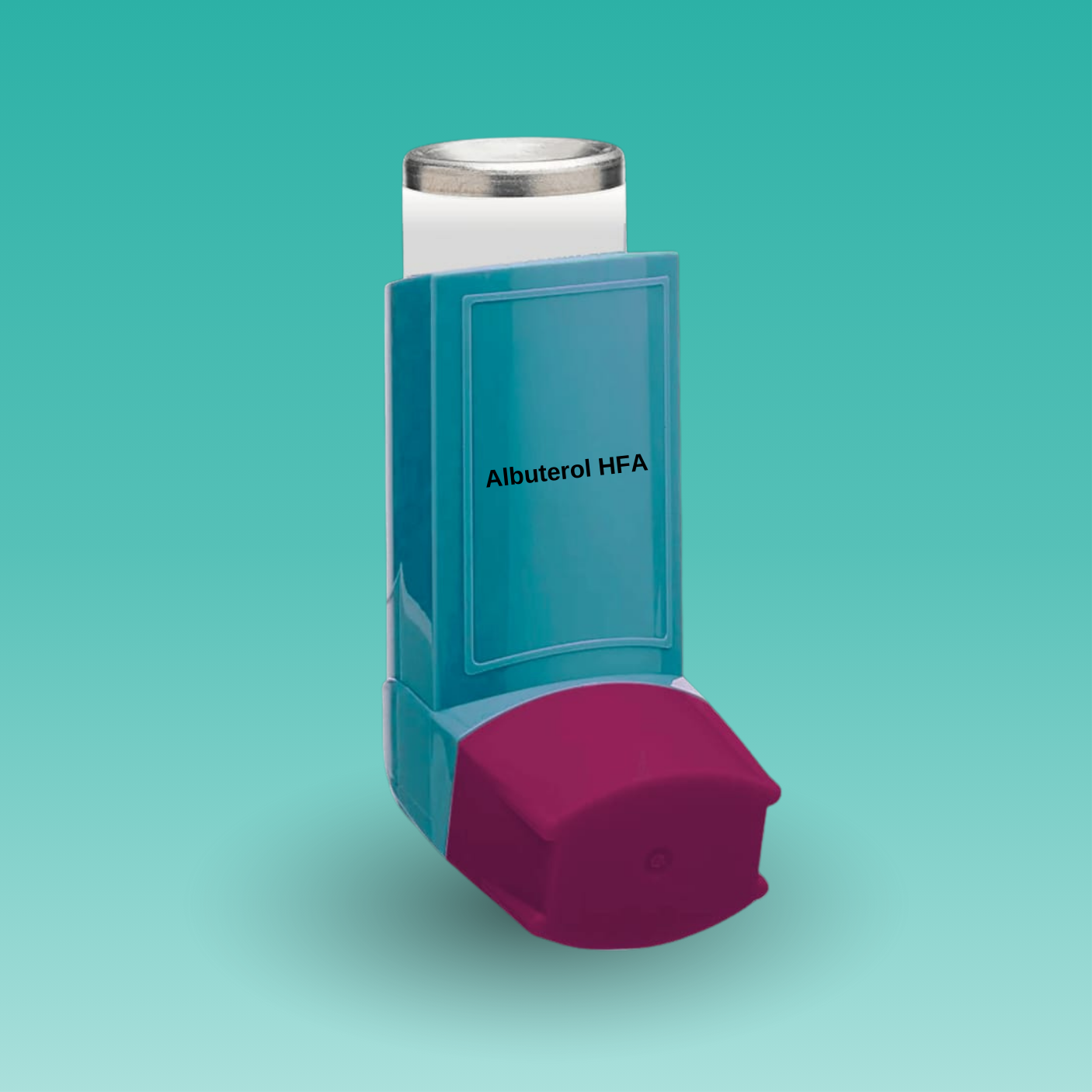
Albuterol is a prescription bronchodilator that helps open the airways in the lungs. Albuterol is used to prevent and treat bronchospasm in people with asthma, chronic obstructive pulmonary disease (COPD), and other breathing disorders. It works quickly by relaxing the muscles around the airways, often providing relief within minutes during asthma attacks or episodes of sudden shortness of breath. It is available by prescription only in several forms, including metered-dose inhalers (such as ProAir HFA), nebulizer solutions (such as AccuNeb), and tablets.
Your Prescription
Ready to Fill
Your savings with us
59%
Avg. price at other pharmacies
$44.98

Need Help?
Our pharmacists are available 24/7 to answer questions about your medication.
Drug Facts
Generic name
Albuterol (also known as salbutamol in some countries)
Brand names
Proventil HFA, ProAir HFA, Ventolin HFA, ProAir RespiClick, AccuNeb (nebulizer solution)
Drug type
Short-acting beta₂-adrenergic agonist (bronchodilator)
Controlled substance
Not a controlled medication
Dosage forms
Metered-dose inhaler (HFA), dry powder inhaler (RespiClick), oral tablets, oral syrup, nebulizer solution.
Typical dosage
The HFA inhaler is commonly used as 1–2 puffs every 4–6 hours as needed for wheezing or shortness of breath. When using a nebulizer, the usual dose is 2.5 mg every 4–6 hours as needed. For preventive use in exercise-induced bronchospasm, administer 2 inhalations 15–30 minutes before exercise.
Basics
What Is Albuterol?
Albuterol is a short-acting bronchodilator that contains albuterol sulfate as its active ingredient. It works by relaxing the muscles surrounding the airways, allowing them to open and improving airflow to the lungs.
Albuterol is commonly delivered via a metered-dose inhaler with an HFA propellant. HFA stands for hydrofluoroalkane, a non–non-ozone-depleting propellant that helps deliver a precise dose of medication into the lungs with each inhalation.
Inhaled albuterol provides rapid relief from symptoms such as wheezing, coughing, shortness of breath, and chest tightness associated with asthma, chronic obstructive pulmonary disease (COPD), and other respiratory conditions.
Often referred to as a “rescue medication,” inhaled albuterol typically begins to relieve symptoms within minutes during an asthma attack or sudden bronchospasm. However, it is intended for quick symptom relief and does not replace long-term controller medications used for ongoing respiratory management.
Note: This medication’s generic and brand-name formulations are used interchangeably throughout this article.
What Are AccuNeb, ProAir, Proventil, and Ventolin?
AccuNeb, ProAir, Proventil, and Ventolin are all brand-name versions of albuterol, a short-acting bronchodilator commonly used to relieve breathing difficulties caused by asthma, chronic obstructive pulmonary disease (COPD), and other conditions involving bronchospasm.
All four medications contain albuterol as the active ingredient, meaning they work in the same way—by relaxing the muscles around the airways to improve airflow. The primary differences lie in how the medication is delivered, not in its efficacy.
- ProAir, Proventil, and Ventolin are inhaled forms of albuterol delivered through metered-dose inhalers (typically using an HFA propellant).
- AccuNeb is a nebulized albuterol solution intended for inhalation via a nebulizer. This option is often preferred for young children, older adults, or patients who have difficulty using inhalers.
Because the active medication is the same, no brand is inherently “stronger” or more effective than another. Patient preference, ease of use, age, coordination ability, and availability often determine the prescribed option.
Indications
What Is Albuterol Used For?
These albuterol-based inhalers are primarily used as bronchodilators to treat several respiratory conditions characterized by airway constriction.
- Asthma Relief: One of the critical uses of Proventil, Proair, and Ventolin is the rapid relief of bronchospasm during asthma attacks. Administering these inhalers provides immediate relief of acute symptoms, allowing patients to breathe more comfortably and prevent severe escalation of the attack.
- COPD Management: In patients diagnosed with chronic obstructive pulmonary disease, these inhalers help manage persistent symptoms such as breathlessness. By dilating the airways, they ease airway obstruction and improve the patient’s quality of life.
- Exercise-Induced Bronchospasm: For individuals prone to exercise-induced bronchospasm (EIB), these inhalers serve as a preventive measure. Taking a dose before physical exertion can significantly reduce the risk of bronchospasm during activity.
Additional Considerations
These inhalers are ideal for on-the-go relief due to their compact size and ease of use. They play a vital role in preventing emergency department visits among patients with asthma and COPD by providing a reliable means to address sudden respiratory distress. However, they are not substitutes for long-term control medications; rather, they should be viewed as part of a comprehensive asthma management plan that may include corticosteroids or other maintenance therapies.
Consultation with healthcare providers is indispensable for determining the appropriate plan and dosages for these medications, tailored to each patient’s specific medical history and lifestyle needs.
Mechanism
How Does Albuterol Work?
These inhalers are recognized for their effectiveness in rapidly relieving respiratory symptoms, owing to their specific pharmacological action on bronchial smooth muscle.
Mechanism of Action
- Bronchodilation: Proventil, Proair, and Ventolin function as selective beta-2 adrenergic agonists. They bind to beta-2 receptors on airway smooth muscle, leading to relaxation and subsequent airway dilation. This process results in the rapid alleviation of constriction-related symptoms and easier breathing for the user.
- Cellular Action: By targeting cells in the lung airways, albuterol initiates a sequence of cellular events that leads to decreased intracellular calcium levels. This reduces airway muscle contraction and relieves the tightening sensation experienced during asthma attacks or exacerbations of COPD.
Pharmacokinetics
Upon inhalation, these medications have a rapid onset, typically within 5 to 15 minutes, thereby mitigating acute symptoms promptly. The effects generally last about 4 to 6 hours, making them ideal for situations requiring a prompt response but not for long-term asthma control.
The rapid relief these inhalers provide makes them particularly effective in emergencies; however, they are not intended to replace maintenance therapies. For chronic management of asthma or COPD, a comprehensive treatment plan including long-term control medications is advised.
The reliable mode of action of these medications emphasizes the importance of adhering to prescribed guidelines. Overuse or misuse can diminish their effectiveness and may exacerbate symptoms or cause adverse effects.
Dosage
Albuterol Dosages and Administration
The recommended dosage for these inhalers typically involves 1-2 puffs every 4 to 6 hours, as needed for symptom relief.
In cases of severe distress, doses may be increased under medical supervision; however, exceeding eight puffs in 24 hours is generally not recommended without consulting a healthcare provider.
Adhering to prescribed dosages prevents the misuse of medications and reduces the risk of experiencing adverse effects associated with higher blood concentrations of albuterol.
If you are using your albuterol inhaler 3 or more times per week, your asthma is officially considered “uncontrolled.” Over-reliance on albuterol causes the beta-receptors in your lungs to “down-regulate” (become less sensitive), meaning the inhaler may stop working when you need it most during a life-threatening emergency.
The newest version of albuterol, the ProAir Digihaler, now features built-in electronic sensors. It syncs with a smartphone app to track not just when you used it, but also how forcefully you inhaled. This allows your physician to assess whether you are using the correct technique during an attack.
Never put your inhaler in water to determine whether it floats to assess the medicine level. This can clog the delicate nozzle. Use the integrated dose counter on the back of the canister. If the counter turns red, you have approximately 20 doses left—time for a refill.
Administration
Proper inhalation technique is essential to ensure the medication reaches the lungs. Before use, shake the inhaler well to thoroughly mix the medication. Exhale entirely, place the mouthpiece in your mouth, and inhale deeply while pressing the canister to release a dose.
Holding the breath for approximately 10 seconds allows the medication to distribute adequately throughout the lungs. For multiple puffs, wait about 30 seconds before the next inhalation unless instructed otherwise.
The “Spacer” Requirement: The use of a spacer (valved holding chamber) is no longer considered “optional” or just for kids. Using a spacer with your HFA inhaler (Ventolin/ProAir) increases medication delivery to the lower lungs by up to 50% compared to using the inhaler alone.
Get The Right Dose For Less
Why pay retail prices for the same medication?
At Invictus, we source directly from trusted, FDA-approved manufacturers to keep your costs low without sacrificing quality. Whether you need a one-time fill or regular refills, our transparent pricing makes it easy to save every day.
Side Effects
Albuterol Side Effects and Risks
Like any medication, Proventil, Proair, and Ventolin can cause side effects ranging from mild to serious.
Common Side Effects
- Tremors or Jitters: Some patients report shakiness or mild tremor after inhalation. This is one of the most common side effects, but it often diminishes as the body acclimates to the medication.
- Tachycardia: It is normal for your heart rate to jump by 10–20% after use. However, if your heart feels like it is “skipping beats” (palpitations), you may be sensitive to the stimulant effects.
- The Potassium Drop: High doses of albuterol (especially via nebulizer) can cause Hypokalemia (low potassium). If you feel extreme muscle weakness or leg cramps after multiple doses, seek medical attention.
- Headache: Another common complaint, headaches generally resolve on their own and can often be managed with over-the-counter analgesics if necessary.
Serious Side Effects
- Cardiovascular Effects: Rare but serious effects include increased heart rate or arrhythmias, arising potentially from albuterol’s systemic absorption affecting cardiovascular tissues. Immediate medical attention is warranted if symptoms such as chest pain or palpitations occur.
- Paradoxical Bronchospasm: This rare but severe response is characterized by worsening respiratory symptoms and requires immediate cessation of use and urgent medical intervention.
Safety Precautions
Given the potential severe effects:
- Patients with existing cardiovascular conditions should use these inhalers under strict medical supervision.
- Regular follow-ups with healthcare providers are advised to monitor efficacy and mitigate risks.
Interactions
Albuterol Interactions
Specific drug interactions can affect the effectiveness of Proventil, Proair, and Ventolin or increase the risk of side effects.
Drug Interactions
- Beta-Blockers: Medications like propranolol can counteract albuterol’s bronchodilator effects, potentially worsening respiratory symptoms.
- Diuretics: Use of diuretics increases the risk of hypokalemia (low potassium levels), which albuterol may exacerbate.
Patients should:
- Provide a comprehensive medication history to healthcare providers to assess compatibility.
- Avoid over-the-counter medications without consultation, particularly cold or allergy medications that may contain similar active ingredients.
Contraindications
Albuterol Contraindications
Certain conditions or patient populations require special consideration or may be contraindicated for the use of these medications.
Absolute Contraindications
- Allergies: Individuals with hypersensitivity to albuterol or any component of the inhaler formulation should avoid use due to the potential risk of anaphylaxis or severe allergic reactions.
- Underlying Cardiac Conditions: Patients with severe cardiovascular disorders or arrhythmias must use albuterol with caution and under close healthcare monitoring to avert potential exacerbations.
- Pregnancy and Lactation: While albuterol is not contraindicated in pregnancy or lactation, it should be used only when necessary, with guidance from healthcare professionals to weigh potential benefits against risks.
- Pediatric and Geriatric Use: Adjustments may be necessary based on the patient’s age and overall health status, with emphasis on appropriate dosing and monitoring.
Ready to Start Saving?
No one should overpay for safe, effective medication. By cutting out middlemen and working directly with trusted, FDA-approved manufacturers, Invictus offers the same high-quality medicines you’d find at big retail pharmacies—at a fraction of the price.
Whether you choose brand-name or generic, we’ll deliver it quickly, affordably, and right to your door. Maybe that’s why most patients who switch to Invictus never look back.
Frequently Asked Questions (FAQs)
Didn’t see the answers you’re looking for in this article? Check out this comprehensive FAQ for more details.
Administration & Dosage
Ventolin is administered using an inhaler, which delivers the medicine directly to your lungs. It's essential to follow your healthcare provider's instructions closely to maximize the effectiveness of your medication. The typical procedure involves shaking the inhaler well, exhaling completely, placing the mouthpiece in your mouth, and sealing your lips around it. As you slowly inhale, press the inhaler to release the medication. Continue inhaling deeply, allowing the medication to reach the deepest parts of your lungs for optimal relief.
The usual dosage for Proventil depends on individual requirements, but generally, adults and children aged four and older are advised to take 1 or 2 puffs every 4 to 6 hours as needed. This dosage may vary depending on symptom severity and your healthcare provider's advice. Adjustments may be necessary for individuals with more severe asthma or during an asthma exacerbation, but any changes should be discussed with a healthcare professional.
A standard Ventolin inhaler contains 200 metered doses, or puffs. Each puff delivers a specific, consistent dose of medication. It's essential to keep track of how many doses are used to ensure you have a functional inhaler when needed. Some inhalers come with a dose counter that displays the remaining number of doses, providing a visual reminder when it's time to refill your prescription.
Proventil is intended for use when needed to relieve acute asthma symptoms. Using it daily may indicate uncontrolled asthma, and it is essential to consult your healthcare provider if you find yourself frequently relying on Proventil. Long-term management of asthma often requires additional medications that work differently from short-acting bronchodilators like Proventil.
Since Proair is used on an as-needed basis, missing a dose is not usually an issue. Simply take it when you experience symptoms like wheezing or shortness of breath. It's different from some medications that require regular, scheduled dosing. However, if your asthma symptoms worsen or you find you need relief more frequently, consult your doctor.
Using a Proventil inhaler properly is crucial for effective treatment. Start by shaking the inhaler well, then exhale fully to clear your lungs. Place the mouthpiece in your mouth and seal your lips around it. As you begin to inhale slowly and deeply, press the canister down to release a dose. Hold your breath for about 10 seconds to allow the medication to disperse in your airways before exhaling.
Uses & Mechanism of Action
Ventolin is used to prevent and treat bronchospasm in individuals with reversible obstructive airway diseases, such as asthma and COPD (chronic obstructive pulmonary disease). It provides rapid relief of asthma symptoms such as wheezing, coughing, and shortness of breath, making it a crucial medication for managing acute respiratory episodes.
Proventil works by acting on beta2-adrenergic receptors in the bronchial muscles, inducing bronchial muscle relaxation and opening the airways. This bronchodilator action increases airflow to the lungs, making breathing easier. The medication's effect is fast-acting, typically within minutes, providing quick relief from acute breathing difficulties. For decades, albuterol was the first and only step for asthma. In 2025, the standard of care has changed. Clinical data now show that relying solely on albuterol masks underlying inflammation. Most doctors now prescribe AIR (Anti-inflammatory Reliever) therapy, where albuterol is used only alongside an inhaled corticosteroid (like budesonide or fluticasone) to treat the root cause of the attack, not just the symptoms.
Ventolin is not a steroid. It is classified as a short-acting beta-agonist (SABA), which is a type of bronchodilator. This class of medication is specifically designed to provide quick relief from acute asthma symptoms by relaxing the muscles in the airways, unlike steroids, which help manage inflammation over a more extended period but are not for immediate symptom relief.
Proventil is primarily used to treat and prevent bronchospasm in people with reversible obstructive airway conditions, including asthma and exercise-induced bronchospasm. By providing rapid relief from symptoms such as wheezing and shortness of breath, Proventil is an essential tool in managing acute respiratory difficulties.
Ventolin is a brand name for the generic drug albuterol, which is commonly used to treat breathing problems. Both Ventolin and generic albuterol work the same way in the body, relaxing bronchial muscles to improve airflow and alleviate respiratory symptoms.
Ventolin is a beta2-adrenergic bronchodilator. Medications in this class are designed to target the bronchial passages, relaxing the muscles and opening the airways, relieving constriction and helping patients with asthma or COPD breathe more easily.
Side Effects & Safety
Ventolin may cause common side effects, including nervousness, shaking (tremor), headache, dizziness, dryness or irritation of the mouth or throat, and cough. Although these side effects are generally mild and short-lived, they can be bothersome. If side effects persist or worsen, a consultation with a healthcare provider is advisable.
Common side effects of Proventil include headache, dizziness, nausea, dry mouth, and muscle cramps. These effects typically resolve as the body adjusts to the medication. Monitoring how your body responds when you first start using the inhaler can help determine if consultation with a healthcare provider is necessary.
Severe side effects are rare but can include chest pain, irregular heartbeat, severe dizziness, or significant allergic reactions like rash, itching/swelling, and difficulty breathing. If any severe side effects occur, seek immediate medical care. Health professionals may recommend alternative medications or further evaluation to ensure safe and effective asthma management.
The safety of Ventolin during pregnancy depends on individual circumstances. It should be used only if clearly needed and after discussing potential risks and benefits with a healthcare provider. Effective asthma management is vital during pregnancy, as untreated asthma can pose risks to both the mother and fetus.
Proventil inhalers are suitable for children aged four and older. However, the dosage and administration should be carefully guided by a healthcare provider. Monitoring a child's response to medication can provide insights into asthma symptom control and any necessary adjustments to management.
It's essential not to use Ventolin more frequently than prescribed, as overuse can decrease the medication's effectiveness and increase side effects. Inform your doctor of existing medical conditions or allergies, and ensure regular follow-ups to assess and adjust your asthma management plan as needed.
Interactions & Contraindications
Ventolin should be used with caution in individuals with heart disease, as it may raise heart rate and blood pressure. A careful assessment by a healthcare provider can help determine if Ventolin is appropriate and whether dose adjustments or additional monitoring are necessary.
Proventil may interact with certain medications, including beta-blockers, diuretics, digoxin, antidepressants, and other asthma medications. To prevent adverse interactions, it's crucial to inform your doctor about all medications and supplements you are taking. This is essential for optimizing asthma management and minimizing side effects.
While using Ventolin, it's advisable to avoid excessive alcohol consumption because it may accentuate side effects like dizziness or jitteriness. Moderate consumption may not pose significant risks, but consulting your healthcare provider offers personalized guidance tailored to your health status and medication regimen.
Proventil is contraindicated in individuals with albuterol or other ingredients in the inhaler allergy. It's also not recommended for those with a history of certain heart conditions. A comprehensive medical assessment is necessary to ensure that Proventil is safe and appropriate for your condition.
Substances that may interfere with Ventolin include illegal drugs, which can exacerbate its side effects or diminish efficacy. Always disclose your complete list of consumed substances, including non-prescription medications, to your healthcare provider for tailored advice.
Other asthma medications can generally be used in combination with Ventolin, but this should be done under a healthcare provider's guidance. Combining medications can effectively manage asthma if appropriately planned, taking into account potential interactions and the need for tailored dosing strategies.
Generic & Alternatives
The generic version of Ventolin is albuterol sulfate, which is available in multiple formulations, including inhalers. As a generic, it offers a more cost-effective option while providing the same clinical benefits and effectiveness as its branded counterpart.
Proventil is a brand name for albuterol sulfate, meaning the two are essentially the same in terms of their active ingredient and therapeutic use. They both function as bronchodilators to manage and relieve symptoms of asthma and other similar conditions by enhancing airflow in the lungs.
Proventil and Proair both contain the active ingredient albuterol sulfate and have similar indications and effects. Differences might be found in the inhaler design, a formulation component, or the specific manufacturer, but the therapeutic outcomes are essentially the same.
Alternatives to Proventil inhalers include other short-acting beta-agonists such as levalbuterol, which may be suitable for individuals who do not respond adequately to albuterol or experience adverse effects. Long-term control medications may also complement these as part of a comprehensive asthma management plan.
The cost of a Ventolin inhaler varies based on factors such as insurance coverage and the pharmacy used, generally ranging from $40 to $60 without insurance. Looking into different pharmacies and discount programs can help find the most economical option.
Ventolin coupons are regularly available and can significantly reduce costs at participating pharmacies. Discussing available discount programs with your pharmacist can uncover additional financial options, helping ensure accessible asthma management.
Disclaimer
The information provided on this page is for general informational purposes only and is not intended as medical advice. Always consult with a licensed healthcare provider before starting, stopping, or changing any medication regimen. While Invictus strives to provide accurate and up-to-date information, individual health conditions and circumstances vary. The prices, availability, and descriptions of all medications on this page are subject to change.
Your Prescription
Ready to Fill
Your savings with us
59%
Avg. price at other pharmacies
$44.98
Need Help?
Our pharmacists are available 24/7 to answer questions about your medication.