

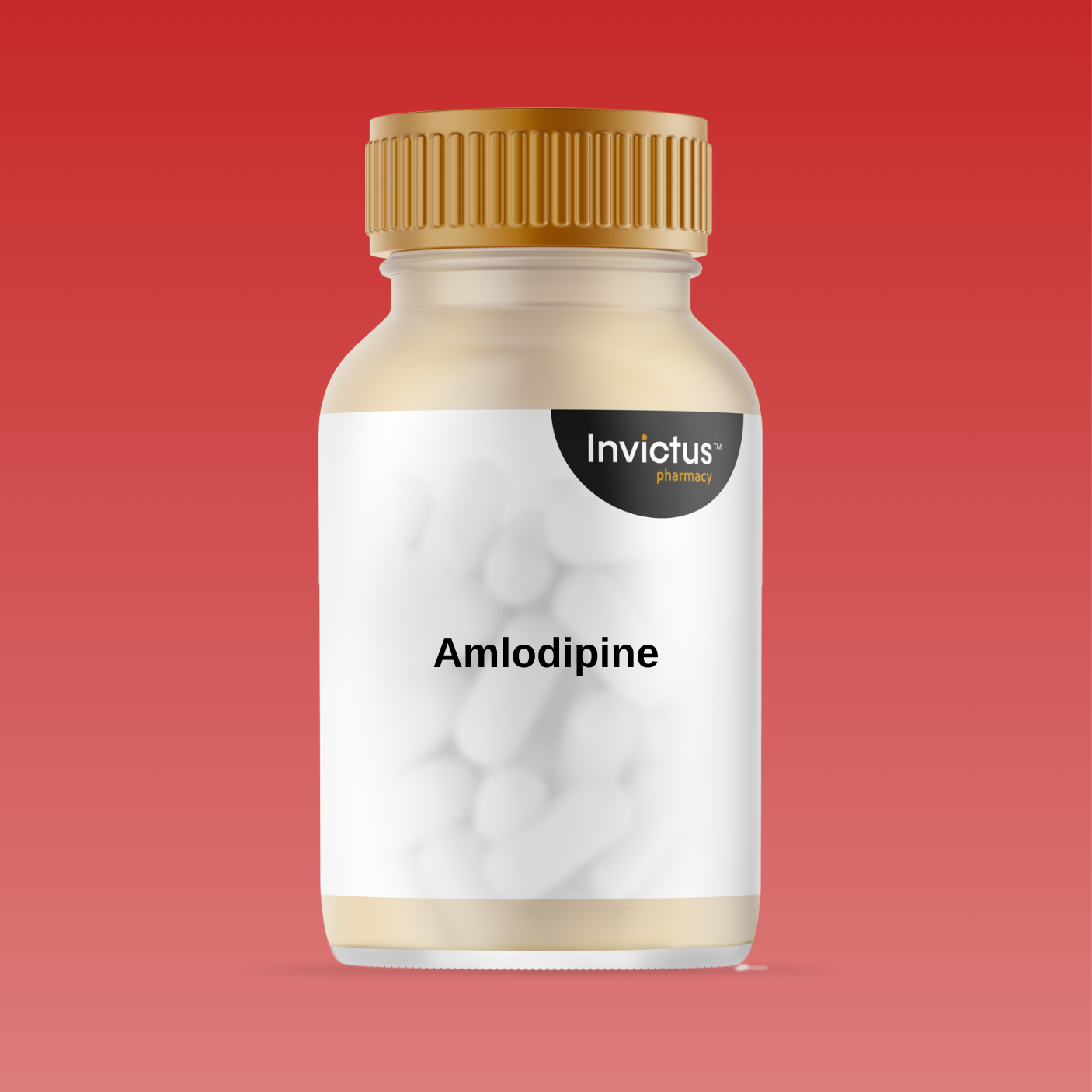
From:
$8.16
84% OFF
Prescription required
Amlodipine (Generic Norvasc): Uses, Dosage, Side Effects, and More
Reviewed by:


From:
$8.16
84% OFF
Prescription required
Amlodipine is a prescription medication used to treat high blood pressure and chest pain caused by coronary artery disease. As a calcium channel blocker (CCB), it relaxes blood vessels, allowing the heart to pump more easily and efficiently. Lowering blood pressure reduces the risk of heart attack, stroke, and kidney disease. Amlodipine can be used alone or in combination with other antihypertensive medications. It is available by prescription only and should be taken exactly as directed by a healthcare provider. Do not stop taking it suddenly, as this may worsen chest pain or increase blood pressure.
Your Prescription
Ready to Fill
Your savings with us
84%
Avg. price at other pharmacies
$51.9

Need Help?
Our pharmacists are available 24/7 to answer questions about your medication.
Drug Facts
Generic name
Amlodipine Besylate
Brand names
Norvasc, Katerzia (oral suspension)
Drug type
Calcium channel blocker (dihydropyridine class)
Controlled substance
Not a controlled medication
Dosage forms
Tablets, oral suspension
Typical dosage
For angina in adults, the usual dose is 5–10 mg once daily. Hypertension in adults typically starts at 2.5–5 mg once daily. Children ages 6–17 years are commonly treated with 2.5 mg once daily, up to a maximum of 10 mg, using tablets or oral suspension as prescribed.
Basics
What Is Amlodipine?
Amlodipine is a calcium channel blocker used to treat high blood pressure (hypertension) and chest pain (angina). It works by blocking calcium influx into smooth muscle cells in blood vessels, thereby causing the vessels to relax and dilate.
This vasodilation lowers blood pressure and improves blood flow, reducing the heart’s workload and helping prevent serious cardiovascular events such as heart attacks and strokes.
Unlike beta-blockers, amlodipine does not significantly slow heart rate or reduce contractility, making it a suitable option for patients who require blood pressure control without affecting heart rhythm. It is commonly used as a first-line or add-on therapy and is generally well tolerated when taken as prescribed.
Note: This medication’s generic and brand-name formulations are used interchangeably throughout this article.
What Is Norvasc?
Norvasc is the brand name for amlodipine. It contains the same active ingredient and works through the same mechanism to treat hypertension, angina, and certain forms of coronary artery disease. By improving blood flow through relaxed arteries, Norvasc helps relieve chest pain and supports overall cardiovascular function.
Today, amlodipine is most often prescribed in its generic form, which offers the same therapeutic benefit as Norvasc at a lower cost. Whether taken as Norvasc or generic amlodipine, consistent use according to a healthcare provider’s instructions is essential for achieving optimal blood pressure control and minimizing cardiovascular risk.
Indications
What Is Amlodipine Used For?
Amlodipine plays a pivotal role in the management of several cardiovascular conditions. It is primarily used to treat high blood pressure (hypertension), angina, and coronary artery disease. Each of these conditions benefits from Norvasc’s unique properties, which help enhance cardiovascular function and minimize the risks associated with these conditions.
- Hypertension (High Blood Pressure): High blood pressure is a condition in which the force of blood against arterial walls is too high, often leading to severe health issues if untreated. Norvasc helps relax blood vessels, allowing blood to flow more easily and reducing overall blood pressure. This reduction is crucial in minimizing the risk of strokes, heart attacks, and kidney problems.
- Angina (Chest Pain): Angina is characterized by chest pain due to reduced blood flow to the heart. Norvasc alleviates this condition by dilating the coronary arteries, thereby enhancing oxygen delivery to the heart muscle and reducing the frequency and severity of chest pain. This improvement in blood flow helps the heart function more efficiently during physical exertion or stress, thereby relieving angina symptoms.
- Coronary Artery Disease: This condition involves the narrowing or blockage of the coronary arteries, leading to insufficient blood supply to the heart. Norvasc helps manage coronary artery disease by relaxing the coronary arteries, improving blood flow, and preventing the progression of arterial narrowing.
Mechanism
How Does Amlodipine Work?
Norvasc works by affecting calcium movement within the cells of the heart and blood vessels. This unique mechanism of action endows it with significant capabilities for managing cardiovascular conditions, distinguishing it from other heart-related medications.
Mechanism of Action
As a calcium channel blocker, Norvasc inhibits the influx of calcium ions into vascular smooth muscle and cardiac muscle cells. Calcium ions play a crucial role in muscle contraction.
By inhibiting calcium ion entry into cardiac muscle cells, Norvasc relaxes blood vessel walls, leading to vasodilation and reduced peripheral vascular resistance. This relaxation helps lower blood pressure and decreases the overall workload on the heart.
Unlike beta-blockers, Norvasc does not directly lower heart rate. Instead, it dilates blood vessels and reduces the pressure the heart must generate to pump blood through the body. This particular action is effective in reducing systolic blood pressure—the force exerted against arterial walls during each heartbeat.
Pharmacokinetics
Upon oral administration, Norvasc is well absorbed, with a bioavailability of approximately 64-90%. Its absorption is not significantly affected by food, either. Peak plasma concentrations are often achieved within 6 to 12 hours, but the full therapeutic effect may not be apparent until several weeks into treatment.
Norvasc has a long half-life of 30–50 hours, making it ideal for once-daily dosing. Metabolized by the liver, amlodipine’s extended duration of action allows for stable blood pressure control and sustained relief of angina.
Dosage
Amlodipine Dosages and Administration
The dosage and administration of Norvasc should be tailored to individual therapeutic needs and patient characteristics. Adjustments should be made cautiously and under medical supervision, with periodic monitoring to ensure efficacy and safety.
Recommended Dosage
For adults, the typical starting dose is 5 mg once daily. The dosage may be adjusted based on the patient’s response and clinical goals, up to a maximum of 10 mg per day. Starting with a lower dose can be beneficial for the elderly or patients with hepatic impairment due to their increased sensitivity to the medication.
Administration Guidelines
Norvasc is available as tablets and should be administered orally. It can be taken with or without food, which offers convenience and flexibility for patients in incorporating it into their daily routine. To maintain a consistent level of the medication in the bloodstream, it is advised that Norvasc be taken at the same time each day.
Patients should adhere to the prescribed dosage without deviation, as irregular intake can affect therapeutic outcomes. If a dose is missed, it should be taken as soon as remembered, unless it is nearly time for the next dose. Doubling doses to catch up is discouraged, as it may lead to adverse effects.
Get The Right Dose For Less
Why pay retail prices for the same medication?
At Invictus, we source directly from trusted, FDA-approved manufacturers to keep your costs low without sacrificing quality. Whether you need a one-time fill or regular refills, our transparent pricing makes it easy to save every day.
Side Effects
Amlodipine Side Effects and Risks
Like all medications, Norvasc may cause side effects; however, many people experience few or none. Knowing what to expect helps patients monitor their health during treatment.
Common Side Effects
The most frequently reported side effects of Norvasc include:
- Headaches: Typically mild and often improve as the body adapts to therapy. These can be managed with rest or mild pain relievers if recommended by a healthcare provider.
- Dizziness: Particularly noticeable when moving from a seated or lying position to standing. Patients are advised to rise slowly to reduce the risk of lightheadedness or imbalance.
- Constipation or Gastrointestinal Discomfort: Reported less frequently, these symptoms are typically mild and can often be managed with hydration, dietary adjustments, or over-the-counter remedies as advised by a healthcare professional.
- Peripheral Edema: Swelling of the ankles or feet is common and occurs due to fluid retention from relaxed blood vessels. While usually mild, persistent or worsening swelling should be reported to a healthcare provider to rule out other causes. Swelling of the ankles or feet is the most common reason patients stop taking Norvasc. This is a “dose-dependent” side effect, meaning it is much more likely at 10 mg than at 5 mg.
- Note on ACE Inhibitors: Clinical studies show that adding an ACE inhibitor (such as Lisinopril) or an ARB (such as Losartan) to your Norvasc regimen can reduce amlodipine-induced swelling. These drugs help balance the pressure in the small blood vessels. Taking a “water pill” (diuretic) often does not effectively treat swelling caused specifically by Norvasc, as the swelling is due to leaky blood vessels, not overall fluid overload.
Serious Risks
Though uncommon, more serious reactions may occur:
- Severe Hypotension: Excessively low blood pressure can lead to fainting, severe dizziness, or weakness, particularly at the start of treatment or after dose increases.
- Heart Palpitations: Some individuals may feel a fluttering, racing, or pounding heartbeat. These symptoms merit prompt medical evaluation, especially for those with existing cardiac concerns.
- Allergic Reactions: Symptoms such as rash, itching, facial or throat swelling, difficulty breathing, or pronounced dizziness require immediate medical attention.
- Weight Gain or Hair Loss: Though less common, any concerning or unexpected changes should be discussed with a healthcare provider.
- Gingival Hyperplasia: Overgrowth of the gum tissue is a rare but documented side effect of Norvasc. Gums may appear swollen or red, or begin to grow over the teeth, making oral hygiene difficult. Maintain meticulous brushing and flossing habits. If you notice your gums changing shape, see your dentist and inform your doctor; the condition usually reverses once the medication is stopped.
Interactions
Amlodipine Interactions
Norvasc can interact with a variety of medications and certain foods, potentially affecting its effectiveness or increasing the risk of side effects.
Drug Interactions
- Statins: When Norvasc is taken with simvastatin (and to a lesser extent lovastatin), it can increase statin levels in the body, raising the risk of muscle pain, weakness, myopathy, and rare rhabdomyolysis. Patients taking Norvasc with simvastatin should not exceed 20 mg of simvastatin daily, as amlodipine slows its breakdown and can lead to toxic accumulation. This interaction is not typically a concern with other statins, such as atorvastatin or rosuvastatin.
- Other Antihypertensives: Norvasc is often used with other blood pressure medications. However, combining it with drugs such as beta-blockers, ACE inhibitors, ARBs, or diuretics can amplify the blood pressure-lowering effect. It may lead to symptomatic hypotension, causing dizziness or fainting.
- Grapefruit and Grapefruit Juice: Unlike many other calcium channel blockers, Norvasc has a very low risk of interaction with grapefruit. Studies show amlodipine is metabolized slowly, and grapefruit juice does not meaningfully increase its blood levels or blood pressure–lowering effects. Most guidelines state that grapefruit does not need to be avoided while taking Norvasc, though maintaining a consistent diet is still recommended.
- CYP3A4 Interactions: Norvasc is metabolized by the CYP3A4 enzyme, so medications that strongly inhibit (e.g., ketoconazole, clarithromycin) or induce (e.g., rifampin, St. John’s wort) this enzyme may affect Norvasc levels, either increasing side effects or reducing its effectiveness.
To ensure safe use, patients should keep their healthcare providers informed of all prescription drugs, over-the-counter medications, and supplements they take. Keeping a complete, up-to-date medication list helps clinicians identify potential risks early and ensure safe, effective therapy with Norvasc.
Contraindications
Amlodipine Contraindications
Norvasc is generally well-tolerated, but it is not appropriate for all patients. In certain situations, the risks may outweigh the therapeutic benefits. A careful review of medical history is essential before starting treatment.
Absolute Contraindications
- Allergies: Patients with a known hypersensitivity to amlodipine or any of its inactive ingredients should not take Norvasc. Allergic reactions may present as rash, itching, swelling, or difficulty breathing and can be serious without prompt treatment.
- Severe Hypotension: Norvasc lowers blood pressure by relaxing blood vessels. In people with pre-existing low blood pressure, this effect can cause symptoms such as fainting, dizziness, or impaired organ perfusion. Such patients should avoid Norvasc or be closely monitored while taking it.
- Cardiogenic Shock: Norvasc is contraindicated in patients experiencing cardiogenic shock, a life-threatening state in which the heart cannot pump enough blood to meet the body’s needs. Because Norvasc reduces vascular resistance, it may further impair circulation and worsen the condition.
Use With Caution
Norvasc should be used carefully in certain populations:
- Heart Failure (Post–Myocardial Infarction): In patients with recent heart attack and accompanying heart failure, Norvasc may increase the risk of worsening symptoms. Monitoring and individualized therapeutic decisions are essential.
- Liver Impairment: Amlodipine is metabolized in the liver, so reduced liver function can lead to higher drug levels and stronger effects. Lower starting doses or enhanced monitoring may be required.
Ready to Start Saving?
No one should overpay for safe, effective medication. By cutting out middlemen and working directly with trusted, FDA-approved manufacturers, Invictus offers the same high-quality medicines you’d find at big retail pharmacies—at a fraction of the price.
Whether you choose brand-name or generic, we’ll deliver it quickly, affordably, and right to your door. Maybe that’s why most patients who switch to Invictus never look back.
Frequently Asked Questions (FAQs)
Didn’t see the answers you’re looking for in this article? Check out this comprehensive FAQ for more details.
Administration & Dosage
Norvasc is available as tablets and can be taken orally, with or without food. Consistency is key, so whether you take it with meals or on an empty stomach, maintaining the same routine each day helps ensure efficacy. It’s crucial to strictly adhere to the dosage guidelines provided by your healthcare provider. Typically, Norvasc is taken once daily. It's important not to crush or chew the tablet, as this can interfere with the medication's effectiveness.
For adults starting Norvasc, a common initial dose is 5 mg once daily. This dosage may be adjusted based on the individual's response and specific health needs. For some patients, especially those who are smaller or more sensitive to medications, a lower starting dose of 2.5 mg may be appropriate. The maximum recommended dose for adults is 10 mg per day.
Healthcare providers often adjust dosages based on a patient's response to treatment and the presence of side effects. The goal is to find the lowest dose that effectively manages the patient's blood pressure or angina symptoms. Such adjustments are often made after an initial assessment period, allowing time to evaluate the medication's effects on the patient.
The initial effects of Norvasc can be observed within 24-48 hours after administration. However, for the medication to reach its full therapeutic potential, especially in blood pressure control, it may take several weeks. Consistent daily use as prescribed is important for achieving and maintaining the desired effect.
While there is no specific time of day to take Norvasc, choosing a consistent time helps maintain stable levels of the medication in your bloodstream. Establishing a daily routine, such as taking it with breakfast or before bed, may improve compliance and ensure the best possible results.
Uses & Mechanism of Action
Norvasc, the generic name amlodipine, is primarily used to treat high blood pressure (hypertension). In addition, it is beneficial for individuals with chronic stable angina and vasospastic angina, helping to mitigate the frequency and severity of chest pain episodes. By effectively managing blood pressure, Norvasc can help prevent complications such as strokes, heart attacks, and kidney problems.
Norvasc functions as a calcium channel blocker. It works by inhibiting the entry of calcium ions into the cells of the heart and arterial walls. This relaxation lowers blood pressure and improves oxygen delivery to the heart muscle, which can help alleviate chest pain associated with angina.
Norvasc is not a beta blocker. While beta blockers manage blood pressure and cardiac conditions by affecting heart rate and contractility, Norvasc primarily acts as a vascular smooth muscle relaxant, a calcium channel blocker.
The primary action of Norvasc involves dilation of the blood vessels rather than directly altering the heart rate. Although it can indirectly affect the heart through its blood pressure-lowering effect, it generally does not cause a significant reduction in heart rate.
Norvasc is prescribed to lower high blood pressure and is an essential part of a treatment plan aimed at reducing the risk of cardiovascular events. Its ability to improve blood flow makes it effective in reducing angina symptoms. Healthcare providers choose Norvasc for its proven efficacy in managing both stable and variable cardiac conditions.
Side Effects & Safety
Some people experience side effects when taking Norvasc, the most common being dizziness, lightheadedness, and flushing. Peripheral edema, characterized by the swelling of ankles or feet, is particularly prevalent. It's important to remain vigilant for more severe reactions, such as chest pain or marked skin rash, which require immediate medical consultation.
The most frequently encountered side effect is peripheral edema, characterized by swelling of the lower extremities, particularly the ankles and feet. This condition arises from vasodilation, which increases vascular permeability and fluid accumulation.
Norvasc is not generally associated with weight gain as a direct side effect. However, fluid retention due to peripheral edema might lead some patients to perceive an increase in weight. Monitoring for any sudden or unexplained weight changes and discussing these with a healthcare provider can help.
Coughing is not typically attributed to Norvasc use. Patients who develop a persistent cough should consult their healthcare provider to rule out other possible causes or a coincidental condition unrelated to Norvasc.
Swelling, particularly of the feet and ankles, is a known side effect of Norvasc's vasodilatory action. This symptom should be discussed with a healthcare professional if it becomes bothersome or persists, as it may require a dosage adjustment or additional medical management.
Interactions & Contraindications
While Norvasc is commonly prescribed with other medications, it's crucial to inform healthcare providers of all drugs currently taken, including over-the-counter and herbal supplements. Possible interactions may alter Norvasc's effectiveness or increase the risk of adverse effects.
Norvasc is contraindicated in individuals with a known allergy to amlodipine or any of the drug's inactive ingredients. Additionally, caution is advised for those with severe cardiovascular conditions. Always discuss your complete medical history with your physician before starting Norvasc.
Alcohol can amplify the blood pressure-lowering effect of Norvasc, potentially causing increased dizziness or lightheadedness. It's generally recommended to limit or avoid alcohol consumption while on this medication to prevent such side effects.
Grapefruit juice is not known to significantly affect Norvasc, but excessive consumption should be avoided as it may potentially alter the metabolism of certain medications. Patients are advised to maintain moderate grapefruit juice intake and consult with their healthcare provider for personalized guidance.
Norvasc should be used during pregnancy only if the potential benefits justify any potential risks to the fetus. It is vital for expectant mothers or those planning to become pregnant to discuss medications with their healthcare provider to ensure safety for both mother and child.
Generic & Alternatives
Norvasc is the brand name for the generic drug amlodipine. Both contain the same active ingredient and are used to treat the same conditions, offering the same benefits and risks.
The generic form of Norvasc is called amlodipine. It is commonly prescribed not only for its efficacy but also as a potentially more cost-effective option compared to the branded version.
Several alternative calcium channel blockers exist, including diltiazem and verapamil. Each has unique properties suited to different patient needs. It's crucial to discuss alternatives with a healthcare provider to determine an appropriate treatment plan.
Currently, there are no widespread reports or indications of Norvasc being discontinued. It remains a widely used and trusted medication for managing hypertension and angina.
Substitution with other blood pressure medications is an option, particularly if Norvasc is not yielding the desired results or if side effects are problematic. Changes should only be made under the supervision of a healthcare professional to ensure safety and continued efficacy in managing the condition.
Disclaimer
The information provided on this page is for general informational purposes only and is not intended as medical advice. Always consult with a licensed healthcare provider before starting, stopping, or changing any medication regimen. While Invictus strives to provide accurate and up-to-date information, individual health conditions and circumstances vary. The prices, availability, and descriptions of all medications on this page are subject to change.
Your Prescription
Ready to Fill
Your savings with us
84%
Avg. price at other pharmacies
$51.9
Need Help?
Our pharmacists are available 24/7 to answer questions about your medication.