

From:
$8.34
93% OFF
Prescription required
Atorvastatin: Uses, Dosage, Side Effects, and More
Reviewed by:


From:
$8.34
93% OFF
Prescription required
Atorvastatin is a prescription statin (HMG-CoA reductase inhibitor) that lowers “bad” LDL cholesterol and triglycerides while raising “good” HDL cholesterol. Reducing cholesterol production in the liver helps lower the risk of heart attack, stroke, and other cardiovascular events, especially in patients with heart disease, diabetes, or risk factors such as high blood pressure or obesity. Atorvastatin is available only by prescription and should be taken exactly as directed, typically once daily with diet and lifestyle modifications.
Your Prescription
Ready to Fill
Your savings with us
93%
Avg. price at other pharmacies
$121.44

Need Help?
Our pharmacists are available 24/7 to answer questions about your medication.
Drug Facts
Generic name
Atorvastatin
Brand names
Lipitor
Drug type
HMG-CoA reductase inhibitor (statin)
Controlled substance
Not a controlled medication
Dosage forms
Tablets (oral)
Typical dosage
Atorvastatin is typically taken once daily. For adults with hyperlipidemia, the usual dose ranges from 10–80 mg once daily. In pediatric patients ages 10–17 years with familial hypercholesterolemia, dosing commonly starts at 10 mg once daily and may be increased to 20 mg once daily, using oral tablets as prescribed.
Basics
What Is Atorvastatin?
Atorvastatin is a prescription statin (HMG-CoA reductase inhibitor) used to lower cholesterol levels and reduce the risk of cardiovascular disease. It works by inhibiting an enzyme in the liver that catalyzes the synthesis of cholesterol, thereby reducing blood levels of low-density lipoprotein (LDL) cholesterol and triglycerides.
Atorvastatin is widely prescribed for individuals with high cholesterol, atherosclerosis, diabetes, or other risk factors for heart attack and stroke, and it plays a central role in long-term cardiovascular risk management.
Note: This medication’s generic and brand-name formulations are used interchangeably throughout this article.
What Is Lipitor?
Lipitor is the brand-name formulation of atorvastatin, originally developed by Pfizer, and is one of the most widely prescribed statins worldwide. In addition to lowering LDL (“bad”) cholesterol, Lipitor can modestly increase high-density lipoprotein (HDL) cholesterol, helping improve the overall cholesterol profile.
It is available as a tablet in doses ranging from 10 mg to 80 mg once daily, with the specific dose determined by a patient’s cholesterol levels, cardiovascular risk factors, and treatment goals.
While Lipitor is highly effective, ongoing monitoring is recommended to manage potential side effects and drug interactions and to ensure continued safety and effectiveness.
Indications
What Is Atorvastatin Used For?
Lipitor is prescribed for a variety of cardiovascular-related functions beyond just lowering cholesterol levels. Its primary uses include reducing the risk of heart disease and managing lipid levels in individuals who are at higher risk of cardiovascular events.
Primary Indications
- Reducing High Cholesterol: Lipitor plays a crucial role in managing high cholesterol levels by targeting specific liver enzymes. This medication effectively reduces LDL cholesterol and triglycerides while increasing HDL cholesterol. Patients with elevated cholesterol levels and those diagnosed with hyperlipidemia are often candidates for Lipitor therapy.
- Preventing Cardiovascular Diseases: Lipitor’s influence extends beyond cholesterol management to include the prevention of heart attacks, strokes, and related complications in at-risk populations. For individuals with underlying conditions such as coronary artery disease or type 2 diabetes, Lipitor provides significant protective benefits by lowering overall cardiovascular morbidity and mortality.
Additional Off-label Uses
While the primary indications for Lipitor include cholesterol and cardiovascular disease management, it may also be prescribed off-label in some cases. However, most of its uses are aimed at reducing cardiovascular events and managing cholesterol levels.
Patients, especially those with a family history of heart disease or predisposition to high cholesterol, are often advised to use Lipitor in conjunction with lifestyle changes like improved diet and increased physical activity to achieve optimal results.
Not for Blood Pressure Management
It’s essential to note that while Lipitor does not primarily target blood pressure, some patients may experience mild reductions in blood pressure as an indirect benefit of improved cardiovascular health. Nonetheless, it should not be used as a substitute for specific blood pressure medications.
Mechanism
How Does Atorvastatin Work?
Lipitor works by inhibiting the enzyme HMG-CoA reductase, which is critical to cholesterol production in the liver. Here’s how Lipitor operates to fulfill its intended function
Mechanism of Action
Lipitor’s primary mechanism involves inhibiting HMG-CoA reductase, a key enzyme in the hepatic cholesterol biosynthesis pathway. By inhibiting this enzyme’s activity, Lipitor reduces hepatic cholesterol synthesis.
This reduction prompts the liver to draw more cholesterol from the bloodstream to meet its physiological needs, effectively lowering blood cholesterol levels.
Impact on Blood Vessels
By lowering LDL cholesterol, Lipitor reduces the risk of atherosclerotic plaque formation in arteries, which can obstruct blood flow and cause heart attacks or strokes.
Reducing these plaques not only promotes better cardiovascular health but also reduces the likelihood of progression to heart disease.
Dosage
Atorvastatin Dosage and Administration
Determining the appropriate Lipitor dosage requires consideration of several factors, including the patient’s current cholesterol levels, risk factors, and overall health profile.
Typical Dosage
For most adults, Lipitor therapy starts at a daily dose of 10 or 20 mg. Depending on the patient’s response and the target cholesterol levels, healthcare providers may adjust the dosage. The maximum recommended dosage of Lipitor is 80 mg per day.
Lipitor’s action is not immediate. Patients typically begin to see the medication’s effects within a few days, with significant cholesterol reductions evident after 2–4 weeks of consistent daily dosing. For maximum efficacy, adherence to dosage and dietary recommendations by healthcare providers is crucial.
Administration Guidelines
Lipitor is best taken once daily and may be taken with or without food, according to patient preference and lifestyle. Taking the drug at the same time each day is recommended to maintain steady blood levels of atorvastatin and optimize its therapeutic effects.
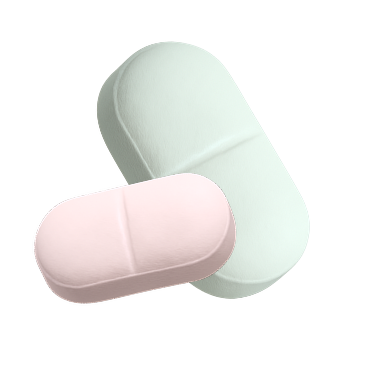
Patients should swallow Lipitor tablets whole with a glass of water, without crushing, splitting, or chewing.
Dosing Flexibility: Unlike older statins that require nighttime dosing due to a short half-life, Lipitor has a long half-life (~14 hours) and can be taken at any time of day, provided it is taken consistently. Because the medication remains active long enough to inhibit nighttime cholesterol production regardless of dosing time, this flexibility improves patient adherence without reducing effectiveness.
Get The Right Dose For Less
Why pay retail prices for the same medication?
At Invictus, we source directly from trusted, FDA-approved manufacturers to keep your costs low without sacrificing quality. Whether you need a one-time fill or regular refills, our transparent pricing makes it easy to save every day.
Side Effects
Lipitor Side Effects and Risks
As with any medication, using Lipitor is associated with the potential for side effects, which can range from mild to severe and vary in frequency among users.
Common Side Effects
Many patients taking Lipitor experience mild side effects that are generally temporary and may resolve as the body adjusts to the medication. Common side effects include:
- Headache: A frequent complaint during the early stages of treatment; typically improves over time.
- Nausea or Upset Stomach: Mild digestive discomfort may occur, especially when the medication is taken on an empty stomach.
- Muscle Pain or Weakness: One of the better-known side effects; usually mild but should be monitored, as persistence or progression may signal a more serious condition.
- Diarrhea: Gastrointestinal changes can occur, though symptoms often resolve without intervention.
- Fatigue or Dizziness: Some patients report feeling unusually tired or light-headed, particularly at the beginning of therapy.
These symptoms are usually not dangerous and often do not require stopping the medication. However, patients should discuss bothersome or persistent effects with their healthcare provider to ensure safe continued use.
Serious Side Effects
Although rare, Lipitor can cause more serious adverse reactions:
- Myopathy and Rhabdomyolysis: Some patients may develop unexplained muscle pain, tenderness, or weakness—especially if accompanied by malaise or fever. These symptoms may indicate severe muscle breakdown requiring urgent medical evaluation.
- Liver Enzyme Elevation: Lipitor can increase liver enzyme levels, signaling potential liver inflammation. Regular monitoring is recommended, and dose reduction or discontinuation may be necessary.
Long-term Risks
Long-term use of Lipitor has been associated with certain risks, such as muscle problems, liver damage, and the potential for slightly increased blood sugar levels, raising concerns about the onset of type 2 diabetes.
- Statins and Blood Sugar: Lipitor can cause a small increase in HbA1c or blood sugar levels, but extensive data show that for patients at elevated cardiovascular risk, the benefits far outweigh this risk—for every 1 new case of diabetes potentially associated with statin use, more than 5 major heart attacks or strokes are prevented. Patients with prediabetes should simply monitor blood glucose more closely, particularly when starting therapy.
Interactions
Lipitor Interactions
Lipitor can interact with various medications, potentially altering its effects or increasing the risk of adverse effects. Sharing a complete list of prescription drugs, over-the-counter medications, and supplements with a healthcare provider is essential to ensure safe use.
Drug Interactions
- Antibiotics and Antifungals: Certain antimicrobial drugs—such as erythromycin, clarithromycin, and ketoconazole—can increase atorvastatin plasma concentrations. This may increase the risk of muscle-related side effects, including myopathy and rhabdomyolysis, a rare but serious condition characterized by muscle breakdown.
- Other Cholesterol-Lowering Medications: Combining Lipitor with other lipid-lowering drugs, such as gemfibrozil or niacin, can further elevate the risk of muscle damage. Careful monitoring is recommended when these agents are used together.
- Heart Medications: Some heart medications—especially calcium channel blockers such as verapamil or diltiazem—may interact with Lipitor by increasing serum concentrations and increasing the potential for side effects.
- Drugs Affecting Liver Enzymes (CYP3A4): Lipitor is metabolized by the liver enzyme CYP3A4. Medications that inhibit or induce this enzyme can alter atorvastatin levels, reducing its effectiveness or increasing toxicity. Dose adjustments or alternative therapies may be necessary.
Alcohol
Excess alcohol consumption while on Lipitor therapy is discouraged, as it can amplify potential liver-related side effects. Moderate to heavy drinking can exacerbate liver enzyme elevations, increasing the risk for liver damage.
Grapefruit and Grapefruit Juice
Consuming grapefruit or grapefruit juice during Lipitor treatment may increase atorvastatin plasma concentrations, potentially increasing the risk of adverse reactions. Therefore, it is generally advised to limit the intake of grapefruit products.
Patients are encouraged to discuss all medications and supplements they are taking with their healthcare providers to identify potential interaction risks and develop the safest and most effective treatment plan.
Contraindications
Lipitor Contraindications
Certain conditions make the use of Lipitor inappropriate or unsafe. A careful review of medical history is essential before initiation.
Absolute Contraindications
- Allergic Reactions: Patients should not take Lipitor if they have previously experienced hypersensitivity or allergic reactions to atorvastatin or any of its components.
- Liver Disease: Lipitor is contraindicated in patients with active liver disease, including those with unexplained, persistently elevated liver enzymes (transaminases). Because the liver processes atorvastatin, impaired function may increase toxicity risk and worsen liver damage.
- Pregnancy and Breastfeeding: Lipitor must not be used during pregnancy. Cholesterol is necessary for fetal development, and interfering with cholesterol synthesis could harm the fetus. Lipitor is also not recommended during breastfeeding, as it may pass into breast milk and pose risks to a nursing infant.
- Heavy Alcohol Use: Individuals who consume large amounts of alcohol may be at higher risk for liver-related side effects. Caution and regular liver function monitoring are advised.
- Severe Renal Impairment (Relative Contraindication): Although not an absolute contraindication, patients with significant kidney dysfunction may be more susceptible to muscle-related side effects and may require dose adjustments or close supervision.
Patients should discuss any medical conditions with their healthcare provider to determine whether Lipitor is appropriate and to ensure safe and effective treatment.
Ready to Start Saving?
No one should overpay for safe, effective medication. By cutting out middlemen and working directly with trusted, FDA-approved manufacturers, Invictus offers the same high-quality medicines you’d find at big retail pharmacies—at a fraction of the price.
Whether you choose brand-name or generic, we’ll deliver it quickly, affordably, and right to your door. Maybe that’s why most patients who switch to Invictus never look back.
Frequently Asked Questions (FAQs)
Didn’t see the answers you’re looking for in this article? Check out this comprehensive FAQ for more details.
Administration & Dosage
Lipitor is typically prescribed once daily. Whether you choose to take it in the morning or before bedtime, it's important to take it at the same time every day to maintain consistent levels in your bloodstream. The medication can be taken with or without food, depending on personal preference or dietary requirements.
While Lipitor begins working within just a few days, you may not see measurable reductions in cholesterol levels until 2 to 4 weeks have passed. This time frame allows the medication to effectively interfere with cholesterol production and facilitate its clearance from the bloodstream.
For adults, the standard starting dose is usually 10 to 20 mg once daily. However, based on how well a patient responds and their specific health needs, doctors may increase the dose. The maximum recommended dosage is 80 mg per day. Monitoring and consultation with a healthcare provider are crucial for dose adjustments.
Lipitor is available as tablets to be swallowed whole with water. It is essential not to break, crush, or chew the tablets to maintain the drug’s efficacy.
It is typically not recommended to split or crush tablets. Altering the tablet form can impact how the medication is absorbed and utilized by the body. In some situations, your healthcare provider may give specific instructions on this, so always seek their guidance first.
Uses & Mechanism of Action
Lipitor is mainly prescribed to lower high levels of cholesterol and triglycerides in the blood, a condition that increases the risk of heart disease and stroke. It is also utilized as a preventive treatment to reduce the likelihood of cardiovascular diseases in people with risk factors, such as type 2 diabetes or high blood pressure.
Lipitor works by selectively inhibiting HMG-CoA reductase, an enzyme in the liver that catalyzes cholesterol biosynthesis. By blocking this enzyme, Lipitor effectively lowers harmful LDL cholesterol (often called "bad" cholesterol) while potentially raising HDL cholesterol (often called "good" cholesterol). The overall effect is a better lipid profile and reduced risk of cardiovascular events.
Beyond addressing problematic lipid levels, Lipitor is sometimes prescribed as a preventive measure for cardiovascular conditions, especially in individuals who have multiple risk factors for developing heart disease, including those with a familial history of hypercholesterolemia or type 2 diabetes.
Lipitor does not function as a blood thinner. It specifically targets cholesterol synthesis to manage lipid levels.
Lipitor is not a beta blocker. It belongs to the statin class, distinct from beta blockers, which are used to control blood pressure and manage heart conditions by blocking the effects of adrenaline.
Side Effects & Safety
Some individuals may experience side effects such as headaches, diarrhea, constipation, or indigestion. Muscle pain or mild joint discomfort is occasionally reported but is generally manageable. Statin-Associated Muscle Symptoms (SAMS): Muscle aches (myalgia) are the most common reason patients discontinue Lipitor, but evidence suggests many cases are influenced by the nocebo effect rather than true muscle injury; if muscle pain occurs, patients should not stop the medication abruptly, as clinicians can measure creatine kinase (CK) to assess for actual muscle damage, and symptoms often resolve with dose adjustment or switching to a different statin while preserving cardiovascular protection.
Weight gain is not commonly linked to Lipitor use. However, significant weight changes should prompt a discussion with a healthcare professional to rule out other causes or medication interactions.
There is no conclusive evidence to suggest a direct link between Lipitor and dementia. Some studies have explored mild cognitive effects, but findings are inconclusive, and further research is needed.
Hair loss is considered an uncommon side effect. If you notice noticeable hair thinning, it is advisable to consult your healthcare provider to assess whether the medication may be contributing to it.
While long-term use of Lipitor is generally safe, monitoring by a healthcare provider is essential. Some concerns include the possibility of muscle pain, liver damage, and, in rare cases, an increased risk of developing diabetes.
Interactions & Contraindications
It's generally recommended to limit alcohol intake while taking Lipitor due to the increased risk of liver damage, as both alcohol and Lipitor can exert stress on the liver.
Lipitor is contraindicated in individuals with active liver disease or elevated liver enzymes. It is also not recommended for use in pregnant or breastfeeding women due to potential risks to the fetus or infant.
If a dose is missed, it should be taken as soon as remembered. However, if it is almost time for the next dose, skip the missed dose to avoid doubling up. Never take extra medication to make up for a missed dose.
Lipitor can interact with various medications, including certain antibiotics, antifungal agents, and HIV protease inhibitors. These interactions may increase the risk of muscle injury or other side effects, so it’s crucial to inform your healthcare provider about all medications and supplements you are taking.
Consuming grapefruit juice while taking Lipitor is discouraged because it can lead to higher concentrations of the medication in the bloodstream, increasing the risk of adverse effects. Updated Grapefruit Guidelines: Grapefruit can interact with Lipitor in a dose-dependent manner, and while occasional intake (such as one small glass of juice or half a grapefruit) is unlikely to cause issues for most patients on low-to-moderate doses (10–40 mg), regular or large consumption—especially more than 1 quart of juice daily or use of the 80 mg dose—can significantly raise blood levels and increase the risk of serious muscle injury, including rhabdomyolysis.
Generic & Alternatives
The generic name for Lipitor is atorvastatin. As a generic medication, it offers a cost-effective alternative with the same benefits as the brand-name version.
Yes, atorvastatin is the generic equivalent of the brand-name drug Lipitor. They contain the same active ingredient and function identically in treating high cholesterol and related conditions.
Crestor (rosuvastatin) and Lipitor (atorvastatin) are both effective statins with similar cholesterol-lowering properties. The choice between them depends on individual patient profiles and on how well each medication is tolerated.
Although atorvastatin is generally prescribed daily, some healthcare providers may suggest an every-other-day regimen in certain cases. Follow your doctor’s instructions regarding dosing schedules.
Both atorvastatin and rosuvastatin are generally considered safe and effective. However, safety can vary based on individual health conditions and tolerance levels. Consulting with a healthcare provider can help determine which medication is most appropriate for your situation.
Disclaimer
The information provided on this page is for general informational purposes only and is not intended as medical advice. Always consult with a licensed healthcare provider before starting, stopping, or changing any medication regimen. While Invictus strives to provide accurate and up-to-date information, individual health conditions and circumstances vary. The prices, availability, and descriptions of all medications on this page are subject to change.
Your Prescription
Ready to Fill
Your savings with us
93%
Avg. price at other pharmacies
$121.44
Need Help?
Our pharmacists are available 24/7 to answer questions about your medication.