

From:
$290.00
72.11% OFF
Prescription required
Dihydroergotamine: Uses, Dosage, Side Effects, and More
Reviewed by:


From:
$290.00
72.11% OFF
Prescription required
Dihydroergotamine mesylate is a prescription ergot alkaloid used to treat acute migraine attacks, with or without aura, in adults. It works by constricting blood vessels around the brain and reducing inflammation of nerve pathways that cause migraine pain, nausea, and light or sound sensitivity. Available as a nasal spray or injection, it is used at migraine onset rather than for prevention. Dihydroergotamine mesylate must be used only as directed at the start of a migraine, not daily, to avoid rebound headaches. It should not be used within 24 hours of triptans or other ergot drugs and is contraindicated in patients with certain heart or liver conditions.
Your Prescription
Ready to Fill
Your savings with us
72.11%
Avg. price at other pharmacies
$1039.71

Need Help?
Our pharmacists are available 24/7 to answer questions about your medication.
Drug Facts
Generic name
Dihydroergotamine Mesylate
Brand names
Migranal
Drug type
Ergot alkaloid (antimigraine agent)
Controlled substance
Not a controlled medication
Dosage forms
Nasal spray, injectable solution
Typical dosage
For the nasal spray, administer 1 spray (0.5 mg) in each nostril. This may be repeated after 15 minutes if needed, up to 4 sprays (2 mg) per migraine attack. For injectable use, the usual dose is 1 mg IV, IM, or subcutaneously, which may be repeated after 1 hour if necessary, with a maximum of 2 mg per day or 6 mg per week.
Basics
What Is Dihydroergotamine?
Dihydroergotamine mesylate is an ergot alkaloid medication used for the acute treatment of migraine headaches. It works by binding to specific serotonin (5-HT) receptors in the brain, leading to constriction of dilated blood vessels that contribute to migraine pain.
By reversing migraine-associated vasodilation, dihydroergotamine helps reduce headache intensity and related symptoms, such as nausea and sensitivity to light or sound.
Due to its targeted mechanism, it is effective for migraines but is not intended for tension-type or other non-migraine headaches.
Note: This medication’s generic and brand-name formulations are used interchangeably throughout this article.
What is Migranal?
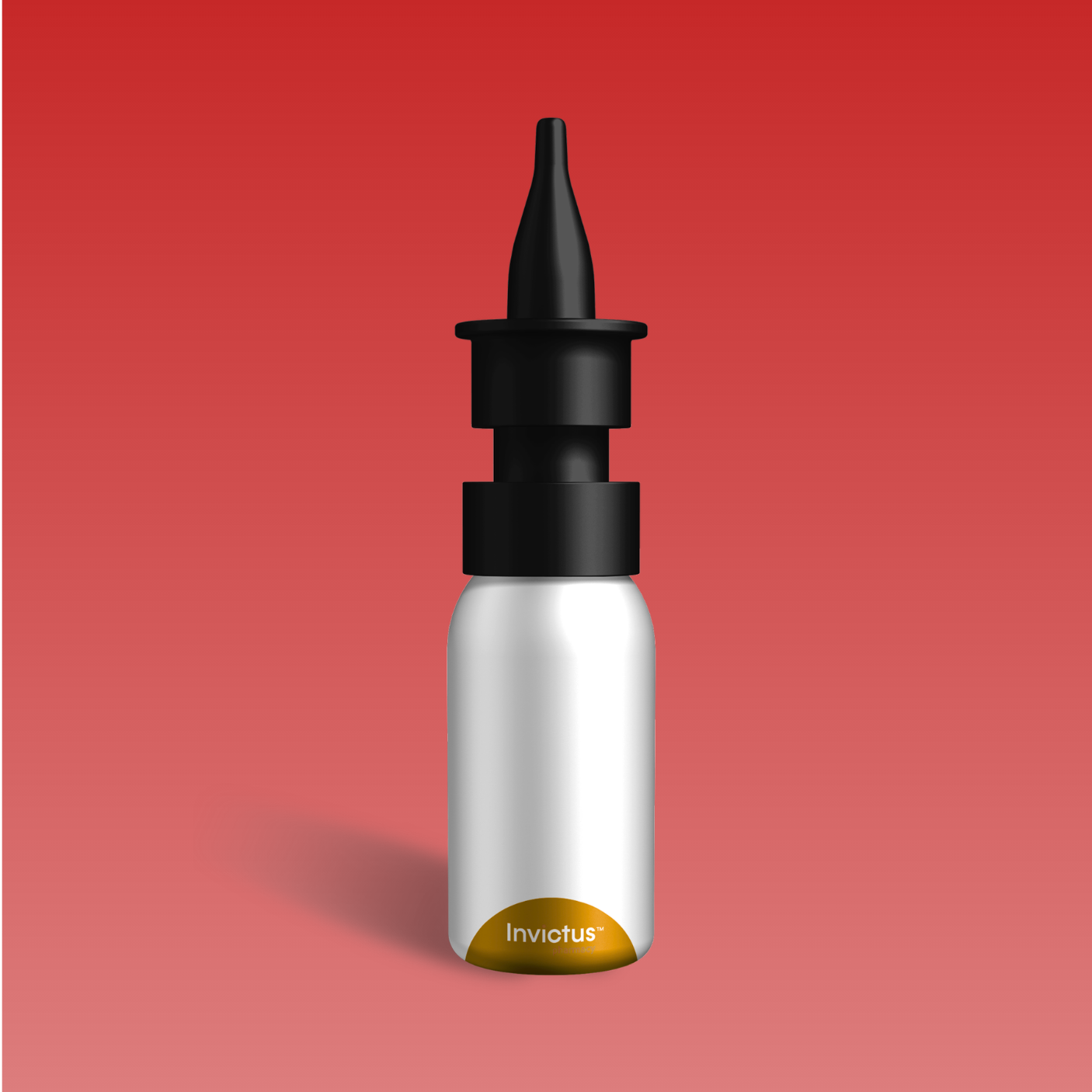
Migranal is the brand-name nasal spray formulation of dihydroergotamine mesylate. It is designed for rapid absorption through the nasal lining, allowing the medication to enter the bloodstream quickly without relying on the digestive system.
This makes Migranal particularly useful for severe migraines or attacks accompanied by nausea and vomiting, where oral medications may be ineffective or poorly tolerated.
- 2025 Delivery Update (Migranal vs. Trudhesa): While Migranal remains available, 2025 practice is shifting toward Trudhesa, which uses Precision Olfactory Delivery (POD) to deliver DHE to the upper nasal cavity rather than the front of the nose or throat; this results in more reliable absorption, fewer bitter taste complaints, and reduced gastrointestinal side effects compared to traditional Migranal spray.
Indications
What Is Dihydroergotamine Used For?
Migranal is designed to relieve active migraine symptoms but is not intended to prevent future migraines or manage other common headache types, such as tension headaches. Because it constricts dilated blood vessels in the brain, Migranal provides targeted relief when a migraine is already underway.
Primary Indications
Migranal is primarily indicated for:
- Acute Migraine Treatment: Migranal is used to manage active migraine episodes, which often present with severe head pain, nausea, vomiting, and sensitivity to light or sound. By narrowing widened cranial blood vessels and acting on serotonin receptors, it helps reduce pain intensity and associated symptoms, enabling patients to resume functioning more quickly during a migraine attack.
- Use When Oral Medications Are Not Tolerated: Because Migranal is administered as a nasal spray, it offers a valuable alternative for individuals who cannot take oral medications due to migraine-related nausea or vomiting. Its intranasal delivery provides quicker onset and improved practicality during severe episodes.
Off-Label Uses
Although not officially approved for these uses, healthcare providers may sometimes prescribe Migranal off-label for:
- Cluster Headaches: Migranal may be recommended for patients suffering from cluster headaches—intense, unilateral, recurring headaches that occur in cyclical patterns. Its vasoconstrictive properties can provide relief similar to its effects in migraine management.
These off-label applications require careful supervision and individualized assessment by a healthcare professional to ensure safe and appropriate use, as dihydroergotamine may not be suitable for all headache disorders.
Mechanism
How Does Dihydroergotamine Work?
Migranal’s effectiveness stems from its action on the blood vessels in the brain and its ability to counteract the chemical processes that initiate migraines.
Mechanism of Action
The key action of Migranal is to constrict dilated blood vessels around the brain, which have been linked to migraine pain. Migranal accomplishes this by targeting specific serotonin receptors (5-HT1B and 5-HT1D), inhibiting the excessive dilation of cranial blood vessels that characterizes a migraine attack.
This selective vasoconstriction helps alleviate the hyperemic phase of a migraine, thereby reducing pain intensity and duration. Additionally, by modulating neurotransmitter activity,
Migranal helps subdue other migraine symptoms, providing a comprehensive relief strategy.
This dual action makes Migranal unique among migraine treatments, efficiently addressing both pain and associated sensory distress.
Pharmacokinetics
The nasal spray formulation of Migranal allows the drug to be swiftly absorbed through the nasal mucosa. This route of administration facilitates a rapid onset of action, with relief typically starting within 30 minutes to an hour.
Unlike orally administered medications, which the digestive system must metabolize, nasal sprays bypass gastrointestinal absorption, providing quicker therapeutic effects.
This makes it an excellent option for patients who might struggle with nausea during migraine attacks. Moreover, the pharmacokinetic profile of Migranal ensures that therapeutic levels are maintained in the bloodstream for prompt, robust headache relief.
Dosage
Dihydroergotamine Dosages & Administration
Migranal requires careful adherence to recommended dosages and administration guidelines to maximize its therapeutic benefits while minimizing potential side effects and risks.
Dosage Recommendations
For an acute migraine attack, the standard adult dosage of Migranal involves administering one spray (0.5 mg) into each nostril. If necessary, the process can be repeated after 15 minutes.
However, it is crucial not to exceed 4 sprays (equivalent to 2 mg) per attack. This helps avoid potential overuse issues and minimizes the risk of side effects. Moreover, patients should limit their usage to avoid medication-overuse headaches.
- Medication Overuse Headache (MOH): 2025 guidelines emphasize that Migranal should be limited to no more than 2 days per week. Using DHE more frequently can cause the brain to become hypersensitive, leading to “rebound” headaches that are more frequent and harder to treat than the original migraine.
Administration Guidelines
Before using Migranal, the nasal spray must be primed by releasing 4 test sprays into the air. This ensures consistent and accurate dosing with every application.
To administer, the spray nozzle is inserted into one nostril, and the spray is gently inhaled. The process is then repeated for the other nostril.
It is essential to follow the instructions provided by healthcare providers or those accompanying the medication package to ensure effective delivery.
Get The Right Dose For Less
Why pay retail prices for the same medication?
At Invictus, we source directly from trusted, FDA-approved manufacturers to keep your costs low without sacrificing quality. Whether you need a one-time fill or regular refills, our transparent pricing makes it easy to save every day.
Side Effects
Dihydroergotamine Side Effects and Risks
Migranal can be highly effective for acute migraine relief, but like all prescription medications, it carries potential side effects. Understanding common and serious reactions empowers patients to use the medication safely and recognize when to seek medical care.
Common Side Effects
Most users experience mild, temporary side effects that develop shortly after administering the nasal spray. Common reactions include:
- Nasal Irritation or Congestion: Because Migranal is delivered intranasally, many patients experience irritation, burning, or nasal congestion. These effects usually resolve as the body adapts to the spray formulation.
- Nausea or Vomiting: Dihydroergotamine can trigger gastrointestinal discomfort in some individuals, particularly when used during an active migraine. While often mild, persistent symptoms should be discussed with a healthcare provider.
- Dizziness or Drowsiness: Mild dizziness or fatigue can occur after dosing, reflecting the medication’s systemic vasoconstrictive and neurological effects. Patients should exercise caution when driving or performing tasks requiring alertness until they understand how Migranal affects them.
Most common side effects tend to diminish with continued use. However, if symptoms worsen or interfere with daily activities, it is advised to consult with a provider.
Serious Side Effects
Though uncommon, Migranal can cause significant and potentially life-threatening reactions that require immediate medical attention. These include:
- Severe Hypertension or Vasospasm: Migranal’s vasoconstrictive action can trigger dangerous elevations in blood pressure or restricted blood flow, particularly in patients with underlying cardiovascular disease.
- Myocardial Infarction or Stroke: Rare ischemic events may occur due to narrowed blood vessels, especially when Migranal is used improperly or combined with contraindicated medications.
- Ergot Toxicity: Symptoms such as numbness, cold extremities, chest pain, and muscle pain may signal excessive vasoconstriction and require urgent evaluation.
Because of these risks, individuals using Migranal should be closely monitored—especially those with existing health conditions. Any new, unusual, or progressive symptoms should be reported immediately to a healthcare provider.
Interactions
Dihydroergotamine Interactions
Migranal’s potent pharmacologic activity means it can interact with a wide range of medications. Recognizing these interactions is essential to avoid complications such as toxicity or cardiovascular events.
Primary Drug Interactions
Key drug combinations that should be avoided or closely monitored include:
- CYP3A4 Inhibitors: Strong inhibitors—such as certain antifungals (ketoconazole, itraconazole), macrolide antibiotics (clarithromycin), and protease inhibitors—can significantly elevate dihydroergotamine levels, increasing the risk of vasospasm and ergot toxicity.
- Other Ergot Alkaloids: Using Migranal with additional ergot-based medications can amplify vasoconstrictive effects and lead to severe vascular complications. These combinations are strictly contraindicated.
- Other Vasoconstrictors: Combining Migranal with agents like triptans or sympathomimetics can sharply increase cardiovascular strain. Patients should not use triptans within 24 hours of Migranal administration.
- Mandatory 2025 Safety Protocol (The 24-Hour Rule): Because both Migranal and triptans (e.g., Imitrex or Maxalt) constrict blood vessels, they must never be used within 24 hours of each other due to the risk of dangerous vascular spasms. However, newer gepants (e.g., Nurtec or Ubrelvy) do not cause vasoconstriction and may be used within this window if approved by your neurologist.
Other Considerations
To ensure safety and treatment efficacy:
- Patients must inform their healthcare provider about all prescription medications, over-the-counter drugs, supplements, and herbal remedies they are using.
- Alcohol should be avoided, as it may worsen dizziness or mask early symptoms of adverse reactions.
- Patients should follow the prescribed dosing regimen precisely and promptly report any unusual side effects to allow timely adjustments.
Proactive communication and medication review help reduce dangerous interactions and optimize migraine management.
Contraindications
Migranal Contraindications
Certain conditions make Migranal unsafe or inappropriate. Awareness of these contraindications helps protect patients from preventable complications.
Absolute Contraindications
Migranal should not be used by individuals with:
- Uncontrolled Hypertension: Because Migranal constricts blood vessels, it can dangerously elevate blood pressure in susceptible individuals.
- Coronary Artery Disease or Peripheral Vascular Disease: These cardiovascular conditions significantly increase the risk of ischemic events when exposed to potent vasoconstrictors such as dihydroergotamine.
- Pregnancy (Category X): Migranal can cause harmful effects on fetal development and is strictly contraindicated during pregnancy. Women of childbearing potential should discuss contraceptive needs with their provider.
- Known Allergy to Ergot Alkaloids: Any prior hypersensitivity reaction to dihydroergotamine or related compounds disqualifies Migranal use due to the high risk of recurrence.
- 2025 Toxicity Alert (Ergotism & Drug Interactions): Migranal is metabolized by the CYP3A4 enzyme, and combining it with CYP3A4 inhibitors or other vasoconstrictors can cause dangerous drug buildup leading to ergotism (severe limb pain and impaired circulation); patients must never use Migranal with grapefruit juice or antibiotics like clarithromycin or erythromycin, and should seek emergency care immediately if fingers or toes become cold, numb, or bluish after dosing.
Warnings & Precautions
Certain populations require added caution and medical supervision:
- Patients with Cardiovascular Risk Factors: Those with a personal or family history of heart disease, stroke, or circulation problems require a thorough assessment before using Migranal.
- Liver or Kidney Impairment: Altered drug metabolism can raise the risk of adverse effects. Dosage adjustments or alternative therapies may be necessary.
- Breastfeeding Individuals: Migranal should generally be avoided while nursing, as the drug may pass into breast milk and pose risks to the infant.
Careful evaluation, regular follow-up, and adherence to prescribing guidelines are essential to the safe use of Migranal, ensuring its benefits in migraine relief outweigh potential risks.
Ready to Start Saving?
No one should overpay for safe, effective medication. By cutting out middlemen and working directly with trusted, FDA-approved manufacturers, Invictus offers the same high-quality medicines you’d find at big retail pharmacies—at a fraction of the price.
Whether you choose brand-name or generic, we’ll deliver it quickly, affordably, and right to your door. Maybe that’s why most patients who switch to Invictus never look back.
Frequently Asked Questions (FAQs)
Didn’t see the answers you’re looking for in this article? Check out this comprehensive FAQ for more details.
Administration & Dosage
To use Migranal nasal spray effectively, start by priming the device. Remove the cap and pump until a fine mist appears. Insert the nozzle into one nostril, ensuring you close the other nostril with your finger. Spray while inhaling gently. Repeat this process in the other nostril if directed.
Migranal should be used at the first sign of a migraine headache. It is important not to use it more than 4 times in 24 hours or exceed 5 sprays in a week. Following your doctor’s instructions is crucial for safe use.
The recommended dose of Migranal nasal spray is typically 1 spray (0.5 mg) in each nostril, for a total of 2 mg per treatment. Always adhere to your healthcare provider's guidance and never exceed the prescribed dosage to ensure efficacy and safety.
Migranal is designed explicitly for relieving migraines after onset and is not intended for preventative or routine use. It is essential to use it only when a migraine headache has started, as per your doctor's instructions.
Dihydroergotamine mesylate is available in both nasal spray form (as in Migranal) and injectable forms, which can be administered under the skin, into a muscle, or into a vein, offering versatile options for migraine management.
Uses & Mechanism of Action
Migranal is used for the acute treatment of migraine headaches, providing relief for adults experiencing migraines with or without aura. It is an effective option for those seeking immediate relief from severe headache pain.
Migranal works by constricting blood vessels around the brain, reducing the dilation that can contribute to migraines. Additionally, it influences blood flow patterns associated with migraine onset, helping mitigate headache intensity and duration.
Migranal is not classified as a narcotic. It belongs to a group of medications known as ergot alkaloids, specifically targeting migraine headaches without the addictive properties typically associated with narcotics.
Yes, Migranal is only available with a doctor’s prescription. A healthcare provider must evaluate your condition to determine if Migranal is an appropriate treatment option and to ensure safe and effective use.
Dihydroergotamine mesylate is the active ingredient in Migranal, which is known for its efficacy in treating migraine headaches. It works by constricting blood vessels in the brain, offering targeted relief from migraine symptoms.
Side Effects & Safety
Common side effects experienced with Migranal include nausea, dizziness, nasal congestion, and a bitter taste in the mouth. While often mild, these effects can impact comfort during treatment; consult your doctor if they persist.
Serious side effects can include chest pain, increased heart rate, high blood pressure, and muscle pain. It is imperative to seek immediate medical attention if you experience these symptoms after taking Migranal for migraines.
Nasal side effects are common with Migranal due to its administration method. Users may experience nasal congestion and irritation. If such symptoms become bothersome or persistent, a healthcare provider should be consulted.
Migranal falls under pregnancy category X, indicating it is not safe for use during pregnancy due to potential risks to the developing fetus. Pregnant individuals should avoid using Migranal and discuss alternative treatments with their doctor.
Migranal is not approved for pediatric use because its safety and effectiveness have not been established in children. Parents should seek other migraine treatment options for children and consult a pediatric healthcare provider.
Interactions & Contraindications
Migranal can interact with medications like CYP3A4 inhibitors, other migraine treatments like triptans, and certain antibiotics such as macrolides. It's vital to inform your healthcare provider about all medications you are taking.
It's advisable to avoid alcohol consumption when using Migranal, as it might elevate the risk of experiencing side effects or could potentially exacerbate migraine symptoms rather than alleviate them.
Migranal is not recommended for individuals with uncontrolled hypertension, specific heart conditions, or a history of stroke or heart attack. Always disclose your complete medical history to your healthcare provider before use.
Dihydroergotamine mesylate can pass into breast milk and may harm a nursing baby. It's crucial to discuss the risks and benefits of using Migranal while breastfeeding with your doctor to ensure the safety of your baby.
Before modifying or discontinuing any migraine medications while using Migranal, consult with your healthcare provider. They can offer guidance tailored to your specific treatment plan and health needs.
Generic & Alternatives
Yes, the generic Dihydroergotamine Mesylate nasal spray is widely available and priced significantly cheaper than the branded version, Migranal.
Alternatives to Migranal include triptans such as sumatriptan or rizatriptan, as well as injectable dihydroergotamine. These alternatives offer varied approaches to managing migraines, tailored to individual patient needs.
While dihydroergotamine mesylate is consistent across formulations, its effects can vary depending on the administration method (nasal vs. injection), affecting absorption rates and the speed of symptom relief. Your doctor can help determine the best form for you.
Medicare coverage for Migranal can vary by plan. It is advisable to contact Medicare or your specific Medicare plan provider to confirm whether Migranal is covered under your plan.
Switching forms of dihydroergotamine should be undertaken with professional medical advice. Discuss your needs with your healthcare provider to ensure an effective and seamless transition tailored to your migraine treatment plan.
Disclaimer
The information provided on this page is for general informational purposes only and is not intended as medical advice. Always consult with a licensed healthcare provider before starting, stopping, or changing any medication regimen. While Invictus strives to provide accurate and up-to-date information, individual health conditions and circumstances vary. The prices, availability, and descriptions of all medications on this page are subject to change.
Your Prescription
Ready to Fill
Your savings with us
72.11%
Avg. price at other pharmacies
$1039.71
Need Help?
Our pharmacists are available 24/7 to answer questions about your medication.