

From:
$10.45
61.18% OFF
Prescription required
Divalproex (Generic Depakote): Uses, Dosage, Side Effects, and More
Reviewed by:


From:
$10.45
61.18% OFF
Prescription required
Divalproex is a prescription anticonvulsant and mood stabilizer used to treat seizure disorders, bipolar disorder, and to prevent migraine headaches. It works by balancing neurotransmitters in the brain to control abnormal electrical activity and stabilize mood. When taken regularly, divalproex reduces seizure frequency, prevents manic episodes, and lessens migraine occurrence. It must be taken exactly as prescribed and requires regular blood tests to monitor safe levels. Do not stop suddenly, as this can trigger seizures or symptom relapse. Rarely, divalproex can cause liver or pancreatic problems.
Your Prescription
Ready to Fill
Your savings with us
61.18%
Avg. price at other pharmacies
$26.92

Need Help?
Our pharmacists are available 24/7 to answer questions about your medication.
Drug Facts
Generic name
Divalproex
Brand names
Depakote, Depakote ER
Drug type
Anticonvulsant/mood stabilizer
Controlled substance
Not a controlled medication
Dosage forms
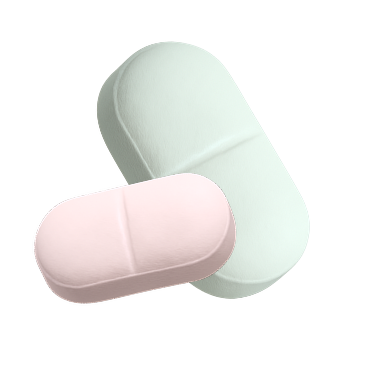
Tablets (delayed-release, extended-release), sprinkle capsules
Typical dosage
For epilepsy, divalproex is commonly started at 10–15 mg/kg per day, up to 5–10 mg/kg per week as needed, to a usual range of 30–60 mg/kg per day. In bipolar disorder (mania), treatment often begins at 500–750 mg per day in divided doses, adjusted to maintain therapeutic blood levels of 50–125 mcg/mL, with a maximum daily dose of 60 mg/kg. For migraine prevention, the typical dose is 250 mg twice daily, which may be increased to 500 mg twice daily, as needed.
Basics
What Is Divalproex?
Divalproex is a prescription anticonvulsant and mood-stabilizing medication used to treat seizure disorders, bipolar disorder (particularly manic episodes), and migraine prevention. After ingestion, divalproex sodium is converted in the body to valproic acid—the active compound responsible for its therapeutic effects.
Valproic acid works by modulating neurotransmitter activity and stabilizing abnormal electrical signaling in the brain. This action helps prevent seizures, regulate mood, and reduce migraine frequency.
Divalproex is commonly chosen for patients who need long-term neurological or mood stabilization and is considered a cost-effective alternative to brand-name therapies with comparable efficacy.
Divalproex is available in multiple formulations. Delayed-release (DR) tablets dissolve in the intestine rather than the stomach, which may reduce gastrointestinal irritation but often requires multiple daily doses. Extended-release (ER) tablets release the medication gradually, allowing once-daily dosing in many patients and providing more stable blood levels.
Note: This medication’s generic and brand-name formulations are used interchangeably throughout this article.
What Is Dekapote?
Depakote is the brand-name version of divalproex sodium and contains the same active medication. It is prescribed for the management of epilepsy, bipolar disorder, and migraine prophylaxis, offering reliable control of abnormal brain activity and mood symptoms.
Like its generic counterpart, Depakote is available in delayed-release and extended-release formulations to accommodate different dosing needs and tolerability. When taken as directed, Depakote provides long-term symptom control.
2025 Formulation Guide: Depakote ER is 10–20% less bioavailable than the tablets. If you switch from the regular tablet to the Extended-Release (ER) tablet, your doctor must increase your total daily dose to maintain the same blood levels. Never switch brands or formulations without a new blood level test (trough level).
Indications
What Is Divalproex Used For?
Depakote is prescribed for a range of neurological and psychiatric conditions due to its ability to stabilize electrical activity in the brain and modulate neurotransmitter levels.
Primary Indications
Depakote is primarily used to treat:
- Epilepsy: Depakote is a major antiepileptic medication effective for several types of seizures, including absence seizures, complex partial seizures, and generalized tonic-clonic seizures. It can be used alone or alongside other antiepileptic drugs to achieve better seizure control.
- Bipolar Disorder (Manic Episodes): In psychiatric care, Depakote is widely prescribed as a mood stabilizer. It helps reduce acute manic symptoms such as agitation, impulsivity, and elevated mood, while also helping prevent future mood swings and episodes.
- Migraine Prophylaxis: Depakote is FDA-approved for preventing migraine headaches. It works by reducing the frequency and severity of migraines, making it helpful for individuals who experience chronic or disruptive migraine patterns.
Off-Label Uses
Depakote is sometimes prescribed off-label in situations where its stabilizing effects can offer additional therapeutic benefit:
- Neuropathic Pain: Patients with difficult-to-treat nerve pain may benefit from Depakote when typical pain medications are insufficient.
- Adjunctive Treatment in Psychiatric Conditions: While not considered a primary treatment for anxiety or depression, Depakote may be used as an adjunct to help manage mood instability or agitation associated with certain psychiatric disorders.
Off-label use must always occur under careful medical supervision, as the risks, benefits, and optimal dosing can vary significantly depending on the individual and underlying condition.
Mechanism
How Does Divalproex Work?
By increasing gamma-aminobutyric acid (GABA) levels in the brain, Depakote normalizes neurotransmitter balance.
Mechanism of Action
GABA acts as a calming neurotransmitter, mitigating overactive neural signals that lead to seizures or manic episodes in bipolar disorder. By promoting GABA production, Depakote effectively stabilizes the brain’s electrical activity, preventing conditions associated with excessive neural firing.
Pharmacokinetics
Once administered, Depakote undergoes gastrointestinal absorption. It is predominantly metabolized in the liver, where divalproex sodium is converted to valproic acid, its active form. The drug’s bioavailability can be influenced by factors such as formulation and dose, affecting its effectiveness.
Dosage
Divalproex Dosages and Administration
Understanding the correct dosage and administration is vital for the safe and effective use of Depakote. Adhering to healthcare professionals’ prescriptions is crucial for achieving desired therapeutic outcomes while minimizing risks.
Dosage Recommendations
Depakote’s dosing guidelines are tailored to the specific condition being treated. Individuals should consult healthcare providers to determine the most effective and safe dosage.
For epilepsy, treatment generally begins at 10-15 mg/kg/day, increasing gradually by 5-10 mg/kg/week, not exceeding 60 mg/kg per day.
In bipolar disorder, starting doses often begin around 750 mg per day, with adjustments based on patient response.
Administration Guidelines
Depakote is available in various oral formulations, including tablets and capsules. This medication should be swallowed whole, not crushed or chewed, to maintain its controlled release properties.
Consistency in dosing time is also recommended to maintain steady drug levels in the body and optimize its effectiveness in treating the intended conditions.
Get The Right Dose For Less
Why pay retail prices for the same medication?
At Invictus, we source directly from trusted, FDA-approved manufacturers to keep your costs low without sacrificing quality. Whether you need a one-time fill or regular refills, our transparent pricing makes it easy to save every day.
Side Effects
Divalproex Side Effects and Risks
Depakote can cause a range of side effects, from mild and temporary reactions to more serious health concerns. Understanding these potential effects helps patients and healthcare providers monitor treatment safely and intervene early if needed.
Common Side Effects
Common side effects of Depakote may include:
- Gastrointestinal Disturbances: Nausea, vomiting, indigestion, or abdominal discomfort are frequently reported, especially at the beginning of therapy. These symptoms often lessen over time or with dosage adjustments.
- Dizziness and Fatigue: Some individuals may experience lightheadedness, fatigue, or sedation as their bodies adapt to Depakote. Monitoring daily activities, particularly those that require alertness, is recommended during early treatment.
- Weight Gain: Increased appetite and gradual weight gain can occur with longer-term use. Healthcare providers may offer guidance on nutrition and activity to help manage this effect.
- 2025 Metabolic Protocol: Weight gain with Depakote is now understood to be largely driven by insulin resistance. Newer guidelines recommend monitoring fasting glucose and HbA1c every 6 months for long-term users, and some clinicians proactively add metabolic strategies—such as metformin or targeted dietary interventions—to prevent the common 10–20 lb weight gain that often leads patients to discontinue therapy.
- 2025 Metabolic Protocol: Weight gain with Depakote is now understood to be largely driven by insulin resistance. Newer guidelines recommend monitoring fasting glucose and HbA1c every 6 months for long-term users, and some clinicians proactively add metabolic strategies—such as metformin or targeted dietary interventions—to prevent the common 10–20 lb weight gain that often leads patients to discontinue therapy.
- Hair Loss (Alopecia) and Tremors: Mild hair thinning or fine tremors of the hands can develop in some patients. While not harmful, these symptoms can be bothersome and should be discussed if they persist or worsen.
Most common side effects diminish with time, but a healthcare provider should evaluate ongoing or disruptive symptoms.
Serious Side Effects
Although less common, Depakote can cause serious adverse reactions requiring immediate medical attention:
- Liver Damage (Hepatotoxicity): Depakote carries a known risk of liver injury, particularly during the first six months of treatment. Signs such as jaundice, severe fatigue, or abdominal swelling require urgent evaluation.
- Pancreatitis: Acute pancreatitis is a rare but serious complication. Severe stomach pain, nausea, or vomiting that intensifies over time must be promptly assessed.
- Blood Disorders: Depakote can affect platelet counts and other blood components, potentially leading to unusual bleeding or bruising, or an increased risk of infection. Routine blood work helps detect abnormalities early.
Any sudden changes in behavior, consciousness, or severe abdominal symptoms should be reported immediately to avoid potentially life-threatening complications.
Interactions
Divalproex Interactions
Drug interactions can impact Depakote’s effectiveness and increase the likelihood of side effects. Managing these interactions is essential to maintaining safe and effective treatment.
Primary Drug Interactions
Key interactions include:
- Blood Thinners (e.g., Warfarin): Depakote may enhance the effects of anticoagulants, raising the risk of bleeding. Regular monitoring of clotting levels is recommended when these medications are used together.
- Other Antiepileptic Drugs: Co-administration with antiepileptics such as lamotrigine or carbamazepine can alter the serum levels of both Depakote and the companion drug, affecting seizure control and increasing the risk of toxicity.
- Certain Antidepressants (e.g., SSRIs): Combining Depakote with SSRIs may increase sedation or alter neurotransmitter balance, warranting close monitoring for changes in mood or alertness.
Other Considerations
- Alcohol: Alcohol intensifies Depakote’s sedative effects and significantly increases liver strain, worsening the risk of hepatic injury. Patients are generally advised to limit or avoid alcohol.
- Supplements and OTC Products: Individuals should disclose all herbal supplements and nonprescription medications to their healthcare providers, as some may interfere with Depakote’s metabolism or increase side effects.
Open communication between patient and provider ensures proactive management of potential interactions.
Contraindications
Divalproex Contraindications
Certain medical conditions make Depakote inappropriate or unsafe. Recognizing these contraindications helps ensure proper patient selection and minimizes serious risks.
Absolute Contraindications
Depakote should not be used in individuals with:
- Active Liver Disease: Because Depakote is associated with hepatotoxicity, existing liver impairment significantly increases the risk of severe injury and is considered a strict contraindication.
- Urea Cycle Disorders: These metabolic disorders impair the body’s ability to remove ammonia. Depakote can elevate ammonia levels further, leading to dangerous encephalopathy.
- Hyperammonemia Risk (2025 Warning): Even with normal liver tests, Depakote can cause elevated blood ammonia levels, leading to sudden brain fog, extreme fatigue, or unexplained vomiting. If these symptoms occur, newer guidelines recommend checking plasma ammonia levels immediately, especially in patients taking Topamax (topiramate).
- Hyperammonemia Risk (2025 Warning): Even with normal liver tests, Depakote can cause elevated blood ammonia levels, leading to sudden brain fog, extreme fatigue, or unexplained vomiting. If these symptoms occur, newer guidelines recommend checking plasma ammonia levels immediately, especially in patients taking Topamax (topiramate).
- Specific Mitochondrial Disorders (e.g., POLG-related disorders): Patients with conditions such as Alpers-Huttenlocher syndrome face increased risks of liver failure when using Depakote.
- Pregnancy (especially first trimester): Depakote is associated with major fetal risks, including neural tube defects and cognitive impairment. It should be used only during pregnancy when no safer alternatives exist.
- 2025 Safety Update: FDA warnings were strengthened for Depakote in anyone who can become pregnant due to clear evidence that in-utero exposure is associated with significantly lower childhood IQ (≈10-point average reduction) and a higher risk of autism. Depakote is now considered a last-resort option for migraine prevention or bipolar disorder in women of childbearing age and, if used at all, requires highly effective contraception plus high-dose folic acid (4–5 mg daily).
Warnings and Precautions
- Mental Health Concerns: Individuals with a history of depression or suicidal ideation should be closely monitored, as Depakote may contribute to mood changes.
- Regular Laboratory Monitoring: Routine blood tests assessing liver function, blood cell counts, and drug levels are essential for early detection of toxicity.
- Caution in Elderly or Medically Complex Patients: Those with multiple comorbidities may require lower doses and more frequent monitoring to maintain safety.
A careful evaluation of risks versus benefits ensures Depakote is used appropriately and safely, with tailored strategies for each patient’s clinical needs.
Ready to Start Saving?
No one should overpay for safe, effective medication. By cutting out middlemen and working directly with trusted, FDA-approved manufacturers, Invictus offers the same high-quality medicines you’d find at big retail pharmacies—at a fraction of the price.
Whether you choose brand-name or generic, we’ll deliver it quickly, affordably, and right to your door. Maybe that’s why most patients who switch to Invictus never look back.
Frequently Asked Questions (FAQs)
Didn’t see the answers you’re looking for in this article? Check out this comprehensive FAQ for more details.
Administration & Dosage
Depakote is generally taken orally in tablet or capsule form. It is crucial to strictly adhere to your healthcare provider's dosing instructions, which are tailored to your specific medical condition and treatment response. Skipping doses or taking the wrong dose can affect the drug's efficacy.
While the maximum dosage of Depakote depends on individual factors and the condition being treated, for seizure disorders, doses can reach up to 60 mg/kg per day. Always follow the dosing limits set by a healthcare professional to prevent side effects and maximize treatment benefits.
A daily dose of 2000 mg Depakote might be suitable for some patients, depending on their specific health needs and treatment response. It is essential to maintain open communication with your healthcare provider to ensure the dose is right for you and that it safely meets your therapeutic goals.
Crushing Depakote tablets is generally discouraged as it can alter the medication's release and lead to potential side effects. If you have trouble swallowing tablets, consult your healthcare provider for advice on alternative formulations or methods.
Depakote's half-life ranges from 9 to 16 hours, meaning it typically takes a few days to be fully eliminated from your system. Factors such as dosage, metabolism, and individual health conditions can influence this timeframe.
The time it takes for Depakote to become effective can vary. For managing seizures or mood disorders, initial effects might be noticed within a few days, but it can take several weeks to achieve full therapeutic benefits, depending on the condition and individual response.
Uses & Mechanism of Action
Depakote is primarily used for treating seizure disorders, managing bipolar disorder, and preventing migraine headaches. Its versatility also allows it to be prescribed for other medical conditions as determined appropriate by a healthcare provider.
Depakote functions by increasing gamma-aminobutyric acid (GABA) levels in the brain, stabilizing electrical activity, and reducing excessive neural discharges. This mechanism helps control seizures and stabilize mood in conditions such as bipolar disorder.
In mental health, Depakote is primarily prescribed to control manic episodes associated with bipolar disorder and to help prevent mood swings, promoting stability and improving patients' overall quality of life.
Depakote is not classified as an antipsychotic. It is an anticonvulsant and mood stabilizer, specifically used to treat conditions related to seizures and mood stabilization rather than psychosis.
Depakote contains divalproex sodium, a valproic acid derivative with similar therapeutic effects. Both substances are used in treating various neurological and psychiatric disorders, though their formulations might differ.
While Depakote is not explicitly approved for anxiety, its mood-stabilizing properties can help alleviate anxiety symptoms in certain patients. It is important to follow your healthcare provider's advice to determine whether it is suitable for your specific situation.
Side Effects & Safety
Depakote may cause common side effects such as nausea, drowsiness, dizziness, hair loss, and weight changes. Gastrointestinal issues might also occur. If you experience severe or persistent symptoms, it is crucial to inform your doctor immediately for appropriate management.
Weight gain is a reported side effect of Depakote. It can be a concern for some patients; if so, consult your healthcare provider to develop a practical management plan that does not compromise treatment efficacy.
Drowsiness or fatigue is a common side effect of Depakote. This sensation may lessen over time as your body adjusts to the medication. If the drowsiness persists or impacts daily functioning, consult your healthcare provider for further advice.
Hair loss, though less common, can occur in some patients taking Depakote. If you notice significant hair loss, contact your healthcare provider to discuss alternative treatments or supportive measures.
Tremors are a possible side effect of taking Depakote. It's essential to monitor this symptom and communicate with your healthcare provider to determine its cause and adjust treatment if necessary.
Abruptly stopping Depakote can increase the risk of seizures, especially in patients using the medication for seizure control. Gradual discontinuation under medical supervision is essential to prevent adverse effects and maintain health.
Interactions & Contraindications
Combining alcohol with Depakote is generally not advised, as it can enhance the risk of liver damage and elevate sedation levels. Always consult with your healthcare provider before consuming alcohol while on this medication.
Depakote and trazodone can sometimes be combined under a healthcare provider’s guidance, but they must be monitored for potential interactions. Close supervision is crucial to ensuring safety and treatment efficacy.
Although rare, hallucinations have been reported as a possible side effect of Depakote. Any new or unexpected psychiatric symptoms should be addressed with a healthcare provider immediately to ensure appropriate management.
It is important to avoid other medications that can impact liver function or sedation risk without a healthcare provider's approval. Common examples include other anticonvulsants or sedatives, requiring professional guidance before use.
Depakote is typically avoided during pregnancy due to known risks to the unborn baby unless the benefits significantly outweigh the risks. Pregnant or planning individuals should consult their healthcare provider to explore safer alternatives.
Generic & Alternatives
Divalproex sodium is indeed the generic form of Depakote, sharing the same active ingredients and therapeutic efficacy, making it an equivalent substitution in treatment protocols.
Alternatives to Depakote may include other anticonvulsants or mood stabilizers, such as lamotrigine or carbamazepine, depending on the specific condition. Consulting a healthcare provider is crucial for personalized treatment options.
There hasn't been a widespread discontinuation of Depakote. However, availability can vary by location and formulation. It's advisable to check with local pharmacies or healthcare providers for current information.
Switching from Depakote to another medication should always be done under a healthcare provider's supervision to ensure safety and therapeutic effectiveness. Transitioning requires careful planning and monitoring.
Depakote is not an SSRI. It is an anticonvulsant and mood stabilizer, while SSRIs are a distinct class of antidepressants primarily used to treat depression and anxiety disorders through different mechanisms.
Disclaimer
The information provided on this page is for general informational purposes only and is not intended as medical advice. Always consult with a licensed healthcare provider before starting, stopping, or changing any medication regimen. While Invictus strives to provide accurate and up-to-date information, individual health conditions and circumstances vary. The prices, availability, and descriptions of all medications on this page are subject to change.
Your Prescription
Ready to Fill
Your savings with us
61.18%
Avg. price at other pharmacies
$26.92
Need Help?
Our pharmacists are available 24/7 to answer questions about your medication.