

From:
$8.70
89% OFF
Prescription required
Finasteride (Generic Propecia): Uses, Dosage, Side Effects, and More
Reviewed by:


From:
$8.70
89% OFF
Prescription required
Finasteride is a prescription 5-alpha reductase inhibitor used to treat male pattern hair loss (androgenetic alopecia). It works by reducing dihydrotestosterone (DHT) levels, a hormone that contributes to scalp hair thinning, thereby slowing hair loss and sometimes promoting regrowth. Propecia is intended for use by men with mild to moderate hair loss, with visible results typically appearing after at least three months of continuous use.
Your Prescription
Ready to Fill
Your savings with us
89%
Avg. price at other pharmacies
$81.39

Need Help?
Our pharmacists are available 24/7 to answer questions about your medication.
Drug Facts
Generic name
Finasteride
Brand names
Proscar, Propecia
Drug type
5-alpha reductase inhibitor
Controlled substance
Not a controlled medication
Dosage forms
Tablets (oral)
Typical dosage
In benign prostatic hyperplasia (BPH), finasteride is taken as 5 mg by mouth once daily, with or without food. Proscar may be used alone or in combination with other medications, such as doxazosin, to improve urinary symptoms.
Basics
What Is Finasteride?
Finasteride is a prescription medication that belongs to a class of drugs known as 5-alpha-reductase inhibitors. It is used to treat conditions driven by the hormone dihydrotestosterone (DHT), an androgen responsible for prostate enlargement and male pattern hair loss.
By blocking the conversion of testosterone into DHT, finasteride helps reduce prostate size, improve urinary symptoms, and slow or prevent hair loss, depending on the dose and formulation used.
Finasteride’s ability to target hormone-driven conditions makes it a cornerstone therapy in both urology and dermatology, with different dosing strategies tailored to specific clinical needs.
Note: This medication’s generic and brand-name formulations are used interchangeably throughout this article.
What Is Proscar? What Is Propecia?
Proscar is the brand-name formulation of finasteride approved specifically for the treatment of benign prostatic hyperplasia (BPH)—a noncancerous enlargement of the prostate gland in men. BPH can cause symptoms such as frequent urination, difficulty starting urination, a weak urine stream, and nighttime urination.
By lowering DHT levels, Proscar gradually reduces prostate size, relieving pressure on the urethra and improving urinary flow. This reduction in prostate size can significantly improve quality of life and reduce the risk of complications such as urinary retention or the need for surgical intervention.
Finasteride is also marketed under other brand names, most notably Propecia, which is prescribed at a lower dose for androgenetic alopecia (male pattern baldness). While the active ingredient is the same, Proscar is formulated and dosed specifically for prostate-related treatment, rather than hair loss.
Indications
What is Finasteride Used For?
Proscar is most commonly used as a part of the treatment regimen for benign prostatic hyperplasia (BPH). However, its action on DHT levels also provides additional clinical uses.
Primary Indications
The primary indication for Proscar is the management of benign prostatic hyperplasia (BPH) in men. BPH is a non-cancerous enlargement of the prostate gland that can lead to urinary symptoms due to pressure on the urethra. Proscar is often prescribed when symptoms are mild to moderate, offering an alternative to surgical intervention.
By treating BPH, Proscar helps alleviate symptoms such as a weakened urine stream, the feeling of incomplete bladder emptying, and frequent or urgent needs to urinate. These improvements result in greater comfort and reduced nocturia (frequent urination at night), thereby improving sleep quality.
Alongside alleviating symptoms, shrinking the prostate may also reduce the risk of urinary retention and lessen the chances of needing surgery related to BPH.
Off-Label Uses
Beyond its approved use for BPH, Proscar is occasionally used off-label for conditions associated with or resulting from high DHT levels.
For instance, some healthcare providers may use Finasteride to manage hair loss associated with androgenetic alopecia, although this use is more commonly associated with its lower-dose variant, Propecia. This off-label use exploits Proscar’s ability to inhibit DHT, potentially slowing hair loss progression and, in some cases, encouraging hair regrowth.
Overall, Proscar is primarily used to treat BPH, with secondary uses for other DHT-related conditions, at a healthcare provider’s discretion.
Mechanism
How Does Finasteride Work?
Proscar functionally changes how the body handles hormones, specifically targeting testosterone and its more active form, dihydrotestosterone (DHT).
Mechanism of Action
The active ingredient, Finasteride, acts as a competitive inhibitor of the enzyme 5α-reductase. This enzyme converts testosterone, a natural male hormone, into dihydrotestosterone (DHT).
DHT plays a key role in the development and enlargement of the prostate in men. By inhibiting this enzyme, Proscar reduces blood DHT levels, thereby reducing prostate size and mitigating symptoms associated with its enlargement.
Lower DHT levels are also beneficial in slowing or stopping hair loss progression in men, as DHT is linked to hair follicle shrinkage in cases of male pattern baldness. Proscar’s ability to lower DHT not only addresses prostate-related symptoms but may also influence conditions linked to hair loss.
Pharmacokinetics
After oral administration, Finasteride is absorbed into the bloodstream, achieving peak plasma concentration approximately 1 to 2 hours post-ingestion. The drug exhibits a bioavailability of about 65% and has a moderate half-life of between 6 to 8 hours in men, which supports its once-daily dosing regimen. It’s metabolized by the liver and excreted in both urine and feces.
These pharmacokinetic properties ensure that when taken consistently at the same time each day, Finasteride maintains effective therapeutic levels within the body, providing continuous symptom relief for BPH.
Dosage
Finasteride Dosages and Administration
Proper dosing and administration of Proscar are crucial for optimal therapeutic outcomes and minimizing the risks of side effects.
Dosage Recommendations
For the treatment of benign prostatic hyperplasia, the standard dosage of Proscar is 5 mg once daily. This dosage is effective in maintaining lower DHT levels necessary for reducing prostate size and alleviating urinary symptoms associated with BPH.
Discussions regarding dosage adjustments are important. It is essential to adhere to the prescribed dosage, as this helps ensure the medication’s effectiveness while minimizing the risk of side effects.
For example, patients with significant liver impairment might require modifications since Finasteride is metabolized in the liver. Consistent adherence to prescribed instructions ensures that patients receive the maximum benefit while minimizing the risk of complications.
Administration Guidelines
Proscar should be taken orally, with or without food. For optimal absorption and consistent therapeutic effects, patients are advised to take the medication at the same time each day. This consistent timing helps maintain stable drug plasma levels.
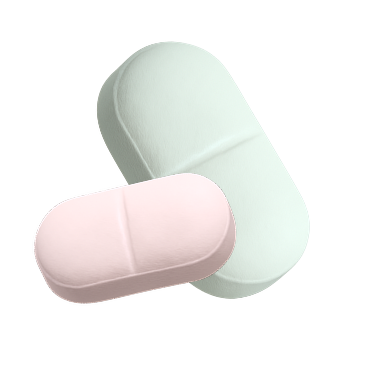
One key aspect of administration involves the physical handling of the tablets. It is important not to crush, split, or chew the tablets, as altering their form can compromise their effectiveness and pose risks to individuals who may inadvertently be exposed to the active ingredient, such as pregnant women. The tablets should be swallowed whole.
By adhering to these administration guidelines, patients can ensure the effectiveness and safety of Proscar in managing BPH symptoms.
Get The Right Dose For Less
Why pay retail prices for the same medication?
At Invictus, we source directly from trusted, FDA-approved manufacturers to keep your costs low without sacrificing quality. Whether you need a one-time fill or regular refills, our transparent pricing makes it easy to save every day.
Side Effects
Finasteride Side Effects and Risks
Understanding the potential side effects and risks of Proscar is essential for patients, helping them make informed decisions and manage treatment safely. While most individuals tolerate the medication well, awareness of both common and serious side effects allows for early detection and effective management.
Common Side Effects
- Sexual Side Effects: Decreased libido, erectile dysfunction, and reduced ejaculate volume are among the most frequently reported side effects. These occur because Proscar’s hormonal action lowers dihydrotestosterone (DHT) levels. While many sexual side effects resolve after stopping the medication, some patients report Post-Finasteride Syndrome (PFS)—persistent sexual, neurological, and physical side effects that continue for months or years after the drug is discontinued.
- Transient Nature: In many patients, these effects lessen or resolve with continued use as the body adjusts to treatment.
- Communication with Healthcare Providers: Patients should discuss any ongoing or bothersome symptoms with their healthcare provider, who may adjust dosage or recommend supportive measures.
Serious Side Effects
- Allergic Reactions: Rarely, patients may experience severe allergic reactions, including rash, itching, facial, lip, or tongue swelling, and difficulty breathing. These symptoms require immediate medical attention.
- Psychological Effects: Depression and mood changes have been reported in some users. Any signs of persistent sadness, anxiety, or suicidal thoughts should be reported promptly to a healthcare professional.
- Hormonal and Physical Changes: Some individuals may develop breast tenderness, enlargement (gynecomastia), pain, or nipple discharge. These symptoms should be evaluated to rule out more serious conditions, including breast cancer.
- Prostate Cancer Considerations: Proscar reduces PSA levels by approximately 50%. For men being screened for prostate cancer, the measured PSA value must be doubled to be accurately compared to normal ranges. Any increase in PSA while taking Proscar, even if within ‘normal’ limits, should be evaluated immediately as it may indicate the presence of high-grade prostate cancer.
Interactions
Finasteride Interactions
Drug interactions represent a crucial consideration in ensuring patient safety and the effectiveness of Proscar.
Primary Drug Interactions
- Hormone or Blood Pressure Medications: Proscar may interact with medications that affect hormone levels or blood pressure regulation. One common example is the alpha-blocker Flomax (tamsulosin), which is often prescribed alongside Proscar to improve symptoms of benign prostatic hyperplasia (BPH). While this combination can be effective, it may also increase the risk of dizziness, lightheadedness, or fainting due to blood pressure changes, requiring close monitoring by a healthcare provider.
- Anticholinergic Medications: Patients taking anticholinergic drugs—such as those used for overactive bladder—should use caution. When combined with Proscar, these medications may worsen urinary retention, leading to increased discomfort or potential complications.
Patients should always inform their healthcare provider about all prescription medications, over-the-counter drugs, supplements, and herbal products they are taking. This allows clinicians to identify potential interactions early and adjust treatment plans accordingly.
Other Considerations
- Underlying Medical Conditions: Individuals with liver disease or other chronic conditions should discuss their full medical history with their healthcare provider before starting Proscar. Because finasteride is processed by the liver, impaired liver function may affect drug metabolism and increase the risk of adverse effects.
- Impact on PSA Levels: Proscar reduces prostate-specific antigen (PSA) levels by approximately 50%, which can complicate the interpretation of PSA-based screening for prostate cancer. Regular monitoring and adjusted PSA interpretation are necessary to ensure early detection is not compromised.
- Ongoing Communication and Monitoring: Close collaboration between patients and healthcare providers helps ensure that drug interactions and underlying health issues are managed safely. This proactive approach supports the effective and safe use of Proscar, minimizing risks while maximizing therapeutic benefits.
Contraindications
Finasteride Contraindications
Certain individuals and medical conditions make the use of Proscar unsafe. Adherence to these contraindications is essential to protect patient health and ensure appropriate medication use.
Absolute Contraindications
- Women and Children: Proscar is strictly contraindicated in women and children. Finasteride can cause serious birth defects, particularly abnormalities of the external genitalia in a developing male fetus. Because the medication can be absorbed through the skin, women—especially those who are pregnant or may become pregnant—should not use Proscar or handle crushed or broken tablets.
- Handling Precautions for Pregnant Women: Even minimal skin contact with a compromised tablet can pose a risk, underscoring the importance of proper handling and storage.
Warnings and Precautions
- Impact on PSA Levels: Men taking Proscar should undergo regular monitoring of prostate-specific antigen (PSA) levels. Finasteride lowers PSA values, which can mask early signs of prostate cancer. Clinical trials (PCPT) have shown that while finasteride reduces the overall risk of prostate cancer, it may increase the risk of being diagnosed with high-grade (more aggressive) prostate cancer. Healthcare providers must adjust PSA interpretation accordingly to avoid delayed diagnosis.
- Ongoing Monitoring: Routine follow-up appointments allow clinicians to evaluate PSA trends, assess treatment response, and modify therapy as needed.
- Preexisting Conditions: Individuals with a history of liver disease, abnormal liver function tests, or prostate cancer should discuss these conditions with their healthcare provider before starting Proscar. Because the medication is metabolized in the liver and affects prostate physiology, careful consideration and monitoring are required to ensure safe use.
Ready to Start Saving?
No one should overpay for safe, effective medication. By cutting out middlemen and working directly with trusted, FDA-approved manufacturers, Invictus offers the same high-quality medicines you’d find at big retail pharmacies—at a fraction of the price.
Whether you choose brand-name or generic, we’ll deliver it quickly, affordably, and right to your door. Maybe that’s why most patients who switch to Invictus never look back.
Frequently Asked Questions (FAQs)
Didn’t see the answers you’re looking for in this article? Check out this comprehensive FAQ for more details.
Administration & Dosage
You can obtain a prescription for Proscar by consulting with a healthcare provider who, based on your medical history and condition, determines that this medication is appropriate for you. They will assess the symptoms of benign prostatic hyperplasia (BPH) to decide if Proscar is suitable.
The cost of Proscar can vary significantly depending on your insurance coverage, the pharmacy, and geographic location. Check with local pharmacies or online services for pricing. Financial assistance programs may be available to help eligible individuals reduce costs.
Proscar is typically prescribed as a 5 mg oral tablet taken once daily, with or without food. Always follow your healthcare provider's recommended dosage to ensure optimal treatment outcomes and minimize the risk of side effects associated with incorrect dosing.
Proscar can be taken at any time of the day. However, it's recommended to take it at the same time every day to maintain a consistent level of the medication in your system. This consistency helps optimize the drug's therapeutic effects.
Finasteride, the active ingredient in Proscar, has a half-life of approximately 5-6 hours, but its effects can last much longer. It may take several days for the drug to be eliminated from your system. Consult your healthcare provider for more information.
Uses & Mechanism of Action
Proscar is used primarily to treat benign prostatic hyperplasia (BPH) in men and works by shrinking the enlarged prostate, which can help reduce symptoms such as difficulty urinating. It is not approved for the prevention of prostate cancer or for androgenetic alopecia.
Finasteride, the active component of Proscar, inhibits the enzyme 5-alpha-reductase, which converts testosterone to dihydrotestosterone (DHT). By reducing DHT levels, Finasteride decreases prostate size and improves urinary symptoms associated with BPH, leading to relief for many users.
Finasteride can be effective in regrowing hair or slowing hair loss in men with male-pattern baldness by reducing DHT levels, which can shrink hair follicles and stop hair growth. It is more effective in the crown area and less effective for a receding hairline.
Finasteride may help in thickening hair in areas where hair loss has occurred, including a receding hairline, although results vary from person to person. Some users may see significant improvement, while others may not experience as much regrowth in that specific area.
There is limited evidence suggesting that Finasteride may affect fertility by decreasing semen volume, though its impact varies among individuals. Consult your healthcare provider if you are trying to conceive, as they can provide guidance based on your personal health profile.
Side Effects & Safety
Although uncommon, erectile dysfunction is a possible side effect of Finasteride. If you experience this symptom, consult your healthcare provider. They may adjust the dosage or suggest alternative treatments to mitigate this unwanted effect while treating BPH.
Depression is a rare but reported side effect of taking Finasteride. If you notice mood changes while taking this medication, contact your healthcare provider. Monitoring mood changes is essential to ensure that the medication's benefits outweigh its risks.
Common side effects of Proscar include decreased libido, erectile dysfunction, and decreased ejaculate volume. Serious side effects should be reported to a healthcare provider. Understanding these potential side effects can help users make informed decisions about their treatment plan.
Topical Finasteride is believed to have effects on hair growth similar to those of oral Finasteride, but may have a different systemic side-effect profile. Discuss with your healthcare provider whether this option is right for you, especially if oral Finasteride causes unwanted side effects.
Some people may experience local irritation or other side effects from topical Finasteride. Discuss any adverse reactions with your healthcare provider. They can provide guidance on managing these symptoms or adjusting your treatment plan for optimal outcomes.
Interactions & Contraindications
Flomax and Proscar are sometimes prescribed together to treat BPH. Flomax helps with urinary symptoms, while Proscar reduces prostate size. Always follow your healthcare provider's directions to ensure this combination therapy is safe and effective for your condition.
Men trying to conceive should consult their healthcare provider regarding Propecia use, as it may potentially affect fertility or semen characteristics. Your doctor can provide personalized advice, taking into account your specific health needs and family planning goals.
Generally, moderate alcohol consumption does not interfere with Proscar, but excessive alcohol can increase the risk of side effects. Consult your healthcare provider for personalized advice on alcohol use to safely manage your health while taking Proscar.
No specific dietary restrictions are required while taking Proscar, but maintaining a balanced diet can support overall health. Discuss any dietary concerns with your healthcare provider, especially if you have specific nutritional needs or conditions affecting your diet.
Proscar may interact with other medications. It’s important to inform your healthcare provider of all medications and supplements you are taking. This information helps prevent potential drug interactions that could affect the effectiveness and safety of your treatment.
Generic & Alternatives
The generic version of Proscar is Finasteride, which may offer a cost-effective alternative while providing the same benefits. Generic medications are typically more affordable and may be covered by your insurance plan, depending on your provider and plan.
Propecia requires a prescription, which you can obtain by consulting your healthcare provider. They will evaluate your hair loss condition and determine if Propecia is appropriate for your treatment, working with you to achieve the best possible outcome.
Both Minoxidil and Finasteride are effective treatments for hair loss and may be used together. Minoxidil directly stimulates hair follicles, while Finasteride reduces DHT levels. The choice depends on individual preferences, treatment response, and medical advice.
The effectiveness of topical versus oral Finasteride varies from person to person. Some may prefer topical applications due to potentially reduced systemic side effects. Consulting with a healthcare provider can help determine which form might be better suited to your specific needs.
Finasteride is available at most pharmacies with a prescription. You can also find it through online pharmacies, which might offer competitive pricing. Ensure that any online source you use is reputable to avoid counterfeit medications and ensure your safety.
Disclaimer
The information provided on this page is for general informational purposes only and is not intended as medical advice. Always consult with a licensed healthcare provider before starting, stopping, or changing any medication regimen. While Invictus strives to provide accurate and up-to-date information, individual health conditions and circumstances vary. The prices, availability, and descriptions of all medications on this page are subject to change.
Your Prescription
Ready to Fill
Your savings with us
89%
Avg. price at other pharmacies
$81.39
Need Help?
Our pharmacists are available 24/7 to answer questions about your medication.