

From:
$13.82
83.79% OFF
Prescription required
Fluticasone Propionate (Generic Flonase): Uses, Dosage, Side Effects, and More
Reviewed by:


From:
$13.82
83.79% OFF
Prescription required
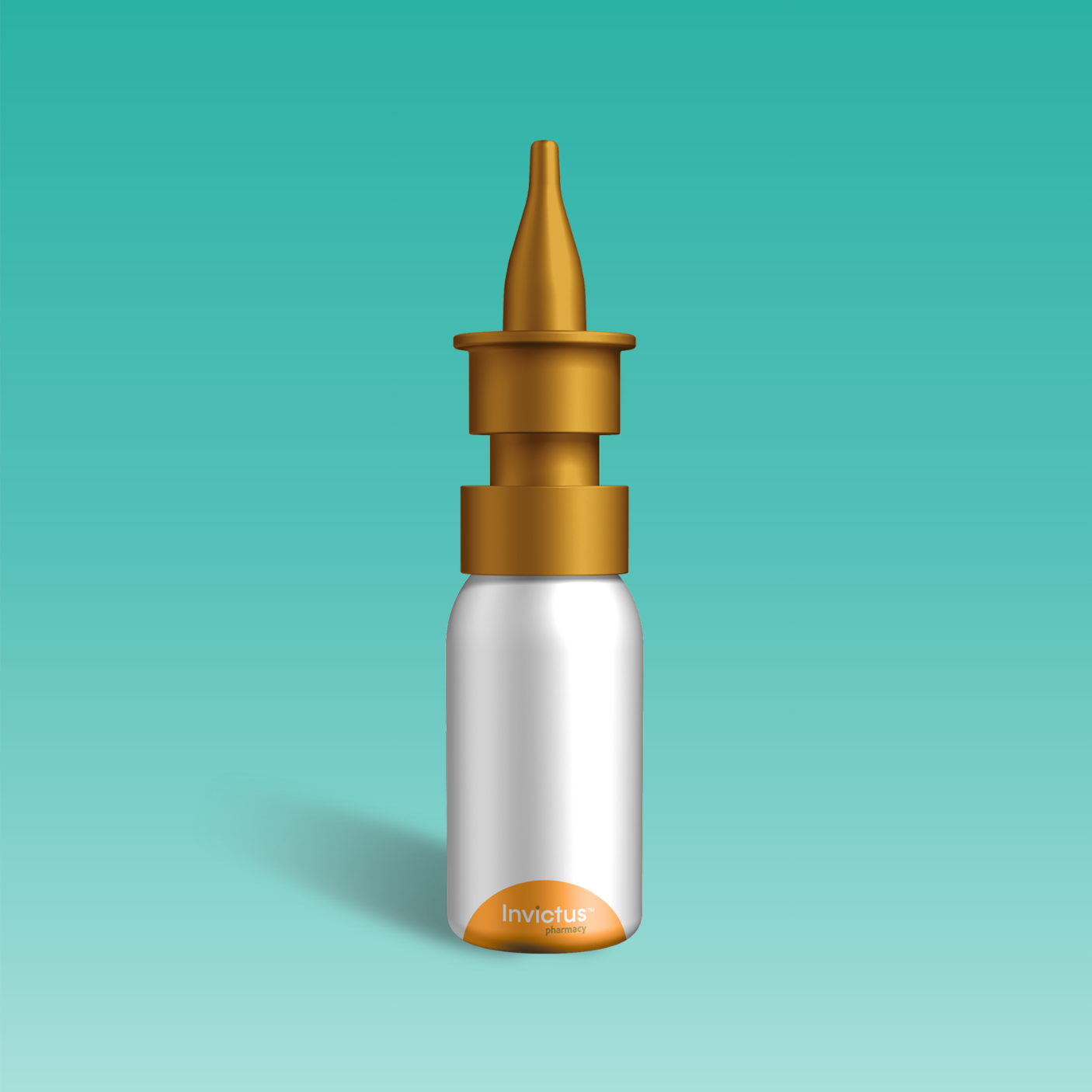
Fluticasone propionate is a corticosteroid nasal spray used to treat nasal congestion, sneezing, and a runny or itchy nose caused by seasonal, perennial, or nonallergic rhinitis. It works by reducing inflammation in the nasal passages to relieve allergy symptoms at their source. While not a decongestant, consistent daily use typically controls symptoms within several days.
Your Prescription
Ready to Fill
Your savings with us
83.79%
Avg. price at other pharmacies
$85.26

Need Help?
Our pharmacists are available 24/7 to answer questions about your medication.
Drug Facts
Generic name
Fluticasone Propionate
Brand names
Flonase, Flonase Sensimist, Xhance
Drug type
Corticosteroid (nasal anti-inflammatory)
Controlled substance
Not a controlled medication
Dosage forms
Nasal spray
Typical dosage
In adults, fluticasone propionate is typically used as 1–2 sprays per nostril once daily, with a maximum of 2 sprays per nostril per day. In children ages 4–11 years, the usual dose is 1 spray per nostril once daily. The spray should be shaken gently before each use and primed if it has not been used for several days.
Basics
What Is Fluticasone Propionate?
Fluticasone propionate is a synthetic corticosteroid used to reduce inflammation in the nasal passages. It works by suppressing inflammatory mediators involved in allergic reactions, helping to relieve symptoms such as nasal congestion, sneezing, itching, and a runny nose.
Because it is administered as a topical nasal spray, fluticasone propionate acts primarily at the site of application, minimizing systemic absorption and reducing the risk of whole-body corticosteroid side effects.
This localized anti-inflammatory effect makes fluticasone propionate well-suited for the long-term management of allergic rhinitis and other nasal inflammatory conditions when used as directed.
Note: This medication’s generic and brand-name formulations are used interchangeably throughout this article.
What Is Flonase?
Flonase is the brand-name nasal spray that contains fluticasone propionate as its active ingredient. It is widely used to manage seasonal and year-round nasal allergy symptoms and is available over the counter, making it easily accessible for individuals seeking allergy relief.
By delivering fluticasone propionate directly to the nasal tissues, Flonase helps reduce swelling and irritation caused by allergens, improving airflow and overall nasal comfort.
When used consistently and according to dosing instructions, Flonase provides effective symptom control while maintaining a favorable safety profile.
Indications
What Is Fluticasone Propionate Used For?
Flonase is utilized for the therapeutic management of various conditions primarily related to allergic inflammation of the nasal passages.
Its particular strength lies in its ability to provide effective symptom relief for both allergic and non-allergic nasal conditions through targeted anti-inflammatory action.
Primary Indications
Flonase is primarily indicated for:
- Allergic Rhinitis: Flonase effectively treats both seasonal and perennial allergic rhinitis, offering relief from classic nasal symptoms such as congestion, sneezing, and a runny nose.
- Non-Allergic Rhinitis: It provides benefits for non-allergic rhinitis, which is characterized by similar symptoms but not triggered by allergens.
- Nasal Polyps: Flonase reduces nasal polyps and associated symptoms, which can obstruct airflow.
Off-Label Uses
While Flonase is predominantly used for its approved indications, healthcare providers may also consider it for secondary applications:
- Chronic Sinusitis: Addresses inflammation in the sinus passages, providing symptomatic relief.
- Hay Fever: Can help manage symptoms often associated with hay fever, such as congestion and sneezing.
Cold-Related Nasal Congestion: Though not an antiviral, it may help relieve congestion symptoms associated with the common cold through its anti-inflammatory effects.
Mechanism
How Does Fluticasone Propionate Work?
Flonase effectively treats nasal symptoms due to its active ingredient, fluticasone propionate, a corticosteroid renowned for its anti-inflammatory properties. Understanding how it operates internally can provide insights into its effectiveness in treating allergic nasal symptoms.
Mechanism of Action
Fluticasone propionate, the active ingredient in Flonase, acts through several mechanisms to relieve nasal allergy symptoms.
It specifically targets and inhibits the activity of multiple inflammatory mediators and cells involved in allergic reactions, including eosinophils, mast cells, and macrophages. These cells and mediators release substances that cause inflammation and produce allergy symptoms, such as histamines and cytokines.
By suppressing these immune-related processes, fluticasone propionate reduces inflammation and swelling in the nasal passages, addresses symptoms such as congestion and sneezing, and prevents the typical irritation and mucus production triggered by an allergic response.
This reduction in inflammation allows individuals to experience relief from symptoms and maintain better control over their condition throughout their allergy exposure period.
Pharmacokinetics
Flonase is administered intranasally, where it remains mostly within the nasal tissues. A local application is advantageous because it ensures the medication acts directly at its intended site, maximizing its anti-inflammatory effects while minimizing potential side effects.
Once Flonase is absorbed into the nasal tissues, it is rapidly metabolized predominantly by the liver via first-pass metabolism, resulting in low systemic bioavailability. This process means that minimal amounts of the medication reach the rest of the body, reducing the risk of systemic corticosteroid effects.
Due to its pharmacokinetic profile, fluticasone propionate provides effective, localized relief with a reduced risk of broader side effects typical of systemic corticosteroids. Flonase’s action in the nasal passages helps stop inflammation at its source, providing effective, sustained relief from nasal allergy symptoms.
Flonase’s mechanism of action and pharmacokinetic properties make it an effective and safe choice for managing nasal allergy symptoms, with minimal risk of systemic effects typically seen with other corticosteroids.
Dosage
Fluticasone Propionate Dosages and Administration
Flonase offers a convenient and effective dosing regimen for controlling nasal allergy symptoms, making it accessible for self-management. Understanding its dosages and administration methods ensures users achieve optimal outcomes with minimal side effects.
Dosage Recommendations
For adults and children over 12, the typical dosage is 2 sprays in each nostril once daily. This initial dosage provides sufficient coverage to reduce prominent allergy symptoms. Once symptoms are under control, the dosage can often be reduced to 1 spray per nostril daily as a maintenance dose.
For children aged 4 to 11, the recommended dose is 1 spray per nostril once daily. This lower dosage reflects the requirement for caution in younger patients, balancing efficacy with safety.
It is important to adhere to the prescribed dosing schedule and avoid exceeding the recommended doses to prevent an increase in side effects. If symptoms persist despite regular use, consulting a healthcare professional for potential dosage adjustments or alternative therapies is advisable.
Administration Guidelines
Proper administration of Flonase is key to its effectiveness. Here are essential steps to follow:
- Shake Well: Before each use, shake the bottle well to ensure the medication is properly mixed.
- Prime the Pump: If using the spray for the first time or if it hasn’t been used for a week or more, prime the pump by spraying it into the air a few times until a fine mist appears.
- Proper Positioning: When administering Flonase, always use the ‘opposite hand to opposite nostril’ technique (right hand for the left nostril, left hand for the right nostril). Aim the nozzle outward toward the ear on that side, rather than straight up or toward the center of the nose. This directs the medication toward the inflamed turbinates and avoids the nasal septum, the delicate middle wall of the nose where 90% of Flonase-related nosebleeds occur.
- Spraying: Depress the pump while inhaling gently through the nose. Avoid spraying directly onto the nasal septum, as this can lead to irritation or bleeding.
- Cleaning: Regularly clean the spray nozzle to prevent clogging and ensure consistent dosage delivery.
How Often Can You Use Flonase?
Flonase is typically used once daily, but in cases of severe symptoms, it can be used twice daily. It should not be used more than twice daily to avoid increased side effects and the possibility of systemic corticosteroid exposure. Consistent use as directed is critical for maintaining symptom control.
Get The Right Dose For Less
Why pay retail prices for the same medication?
At Invictus, we source directly from trusted, FDA-approved manufacturers to keep your costs low without sacrificing quality. Whether you need a one-time fill or regular refills, our transparent pricing makes it easy to save every day.
Side Effects
Fluticasone Propionate Side Effects and Risks
Like any medication, Flonase may cause side effects, although many people experience minimal or no such effects. Understanding these potential side effects allows users to use Flonase effectively while remaining informed about possible complications.
Common Side Effects
Flonase is generally well-tolerated, but some common side effects may occur, including:
- Nosebleeds: Occasional nosebleeds may occur, particularly if the spray is aimed directly toward the nasal septum or if the nasal tissues are already dry or irritated.
- Nasal Dryness: Users may experience dryness or irritation in the nasal passages, especially during extended use or in low-humidity environments.
- Headaches: Some individuals may develop mild headaches in response to corticosteroid use or nasal irritation, which typically resolve as the body adjusts.
- Sore Throat: A sore or scratchy throat may develop due to medication dripping down the back of the throat, often subsiding with proper technique and regular use.
These common side effects are generally mild and transient. Ensuring the correct administration technique can help minimize these occurrences.
Serious Side Effects
While rare, some serious side effects may require immediate medical attention:
- Glaucoma or Cataracts: Long-term or high-dose use may increase the risk of elevated eye pressure or cataract formation, especially in individuals with a personal or family history of these conditions.
- Nasal Septum Perforation: Improper application or chronic misuse can cause irritation or thinning of nasal tissue, potentially leading to a perforation of the nasal septum.
- Severe Allergic Reactions: Hypersensitivity to fluticasone can manifest as rashes, swelling, hives, or difficulty breathing, all of which require urgent evaluation.
Can Flonase Raise Blood Pressure?
While Flonase’s systemic absorption is minimal, corticosteroids like fluticasone can theoretically raise blood pressure. Patients with hypertension should discuss potential risks and benefits with their healthcare provider before starting treatment with Flonase.
Although serious side effects are uncommon, users should remain vigilant and consult a healthcare provider if they experience symptoms suggestive of a serious reaction.
Interactions
Fluticasone Propionate Interactions
Flonase, administered intranasally, generally exhibits minimal drug interactions due to low systemic absorption. However, certain drug interactions can still occur, primarily with medications that influence steroid metabolism.
Primary Drug Interactions
While Flonase has a strong safety profile, individuals should remain aware of potential interactions with medications that affect steroid metabolism. These interactions primarily involve CYP3A4 inhibitors, which can elevate fluticasone levels:
- Ritonavir: This antiretroviral can dramatically increase systemic fluticasone exposure, potentially leading to adrenal suppression or other systemic corticosteroid effects. Close monitoring or alternative therapy may be required.
- Ketoconazole: This antifungal medication can inhibit fluticasone metabolism, increasing corticosteroid levels and increasing the risk of systemic side effects.
- CYP3A4 Inhibitors: Other drugs that inhibit CYP3A4—such as certain antifungals, antibiotics, and antivirals—may increase fluticasone’s systemic exposure. Patients should consult their provider before combining these treatments.
Other Considerations
- Concurrent Corticosteroid Use: Using Flonase alongside other corticosteroid medications (oral, inhaled, or topical) may increase cumulative steroid exposure and the risk of systemic effects, requiring careful coordination.
- Antihistamines: Using Flonase with antihistamines such as Zyrtec or Claritin is generally safe and often beneficial, as these medications target different pathways to relieve allergy symptoms.
Always seek advice from a healthcare provider when combining therapies for tailored recommendations.
Contraindications
Fluticasone Propionate Contraindications
Understanding when not to use Flonase or when to exercise caution is essential to ensure safe and effective therapy, minimizing the risk of adverse effects.
Absolute Contraindications
Flonase should not be used in the following situations:
- Hypersensitivity: Individuals with a known hypersensitivity to fluticasone propionate or any Flonase components should avoid this medication.
- Recent Nasal Surgery or Trauma: Flonase should not be used until proper healing has occurred following recent nasal surgery or trauma, to prevent irritation or delayed healing.
Warnings and Precautions
Taking preventative steps ensures that Flonase’s benefits outweigh potential risks. Particular care should be taken under certain conditions:
- Pregnancy: While Flonase can be used during pregnancy, it should be taken only when clearly needed and only under a doctor’s prescription. Discussing all potential risks with a healthcare provider is crucial for expectant mothers.
- Infections and Tuberculosis: Individuals with untreated fungal, bacterial, or viral infections, or those with active or latent tuberculosis, should use Flonase cautiously to prevent exacerbation.
These contraindications and precautions emphasize the importance of personalized medical guidance when using Flonase, particularly among individuals with complex medical histories or concurrent conditions.
Ready to Start Saving?
No one should overpay for safe, effective medication. By cutting out middlemen and working directly with trusted, FDA-approved manufacturers, Invictus offers the same high-quality medicines you’d find at big retail pharmacies—at a fraction of the price.
Whether you choose brand-name or generic, we’ll deliver it quickly, affordably, and right to your door. Maybe that’s why most patients who switch to Invictus never look back.
Frequently Asked Questions (FAQs)
Didn’t see the answers you’re looking for in this article? Check out this comprehensive FAQ for more details.
Administration & Dosage
Flonase is a nasal spray used to treat allergy-related nasal symptoms. To use it, gently shake the bottle. Clear your nostrils by blowing your nose, place the spray tip in one nostril, close the other nostril, and inhale lightly through your nose as you spray.
Flonase is generally used once or twice a day, depending on symptom severity and the doctor’s advice. It's crucial to follow the dosage directions on the package or provided by your healthcare provider to avoid potentially increased risks of side effects.
The common recommendation is not to use Flonase more than twice daily. Using it more frequently than recommended may increase your risk of adverse effects. Always adhere to the dosing advice provided by healthcare professionals and avoid exceeding the recommended dose.
Flonase contains fluticasone propionate, which is a corticosteroid. This active ingredient functions by reducing inflammation in the nasal passages, providing relief from allergy-related nasal symptoms such as congestion, sneezing, and a runny or blocked nose.
Flonase is available as a nasal spray. It's specifically designed for direct application into the nostrils, enabling targeted, localized treatment of allergy-related nasal symptoms. This form facilitates ease of use and efficient delivery of the active ingredient.
Flonase can begin to provide relief within 12 hours of use, though full symptom relief typically takes several days of consistent use. Patients may experience gradual symptom improvement as the medication reduces inflammation and nasal tissue swelling.
Uses & Mechanism of Action
Flonase is used to alleviate symptoms of allergic rhinitis, such as sneezing, nasal congestion, a runny nose, and itchiness. It is effective in managing both seasonal allergies and perennial allergic reactions to allergens such as dust, mold, and animal dander.
Flonase works by reducing inflammation and swelling in the nasal passages, alleviating symptoms of allergic rhinitis. The corticosteroid fluticasone propionate inhibits multiple inflammatory substances, leading to decreased nasal congestion and related allergy symptoms.
Flonase helps relieve nasal congestion caused by allergies. Its anti-inflammatory properties reduce swelling in the nasal passages, thereby improving airflow and easing congestion, making it easier to breathe through the nose.
Flonase is not an antihistamine. It is a corticosteroid that reduces nasal inflammation by suppressing the immune response. While antihistamines block histamine, Flonase targets inflammation and the underlying causes of allergy-related nasal symptoms.
Flonase is not classified as a traditional decongestant, though it does help ease nasal congestion through its anti-inflammatory effects. Reducing nasal passage swelling helps open airways and relieve congestion, but does so through a different mechanism than typical decongestants.
Flonase can alleviate post-nasal drip by decreasing inflammation and reducing mucus volume in the nasal passages. This helps reduce the sensations of mucus flowing down the throat, which is characteristic of post-nasal drip.
Side Effects & Safety
Nosebleeds are a potential side effect of Flonase use. This risk may increase if the spray is aimed at the nasal septum or used improperly. Proper technique and adherence to dosage are crucial for minimizing this side effect.
Tinnitus is not a common side effect of Flonase. If ringing in the ears develops during use, it is important to seek medical advice. Tinnitus can result from various causes, so a thorough evaluation may be necessary if symptoms persist.
Headaches can occur as a side effect of using Flonase. Although not all users will experience this, if headaches persist or significantly impact daily activities, it is important to contact a healthcare professional for further evaluation and potential adjustments.
Flonase should only be used during pregnancy if clearly needed and prescribed by a doctor. There may be risks, so discussing them with a healthcare provider is important to ensure the benefits outweigh any potential harm to the mother and baby.
Although systemic absorption of fluticasone is minimal, corticosteroids like Flonase may slightly raise blood pressure. Individuals concerned about blood pressure changes should consult their healthcare provider for a personalized risk assessment, especially if they have existing hypertension.
Long-term use of corticosteroids, including Flonase, can potentially increase the risk of eye issues such as glaucoma and cataracts. Routine eye examinations are advisable during extended Flonase treatment to monitor eye health and detect early changes.
Interactions & Contraindications
Combining Flonase with Zyrtec is generally considered safe, as they address allergy symptoms through different mechanisms. It's always advisable to consult with a healthcare provider for specific recommendations tailored to individual health needs before starting any combined treatment.
Taking Claritin and Flonase together can be effective for relieving allergy symptoms. They work synergistically without significant interaction risks. However, consulting with a healthcare provider is wise to confirm the safety and necessity of combining these medications for individual situations.
Using fluticasone propionate, the active ingredient in Flonase, alongside Zyrtec, is usually permissible. This combination can provide comprehensive relief by addressing both internal inflammation and histamine response. Always seek advice from a healthcare provider before starting combined therapy.
Afrin and Flonase are distinct medications. Afrin contains oxymetazoline, a nasal decongestant that offers immediate relief for up to 12 hours, whereas Flonase is a corticosteroid that addresses inflammation over a longer term. Each has unique uses and mechanisms.
Using oxymetazoline with fluticasone may be beneficial under medical supervision. Oxymetazoline provides quick relief from nasal congestion, while fluticasone provides sustained symptom relief. Consultation with a healthcare provider ensures safety and efficacy when combining these treatments.
Flonase is not indicated for the treatment of TMJ (temporomandibular joint) disorder. It is specifically formulated for the treatment of allergic nasal symptoms. Alternative treatments should be considered under a healthcare provider's guidance to effectively address TMJ-related discomfort and symptoms.
Generic & Alternatives
Fluticasone propionate is the generic name for Flonase. Both contain the same active ingredient and offer similar therapeutic effects in managing nasal allergy symptoms, with generics typically providing a more cost-effective option.
Flonase contains fluticasone propionate, a corticosteroid, which suppresses inflammation in nasal tissues. This steroid is critical for reducing allergy symptoms, such as nasal congestion and other inflammatory responses in the nasal passageways.
Fluticasone, used in medications like Flonase, is not considered addictive. However, long-term monitoring is important, as continued reliance without medical oversight can lead to side effects, necessitating evaluation by a healthcare provider for ongoing treatment.
Flonase is primarily beneficial for allergy symptoms rather than typical cold symptoms. It effectively manages allergy-related nasal congestion but may not significantly address the viral congestion typical of common colds. Alternative cold-specific remedies might be needed.
Fluticasone can be used safely in children when prescribed for the management of allergy symptoms. Dosage usually varies depending on the child's age and symptom severity. Pediatric medical advice ensures safe and effective use tailored to the child's health profile.
Using fluticasone after the expiration date is not advised, as potency and effectiveness may decrease. Always consult a pharmacist or healthcare provider about expired medications and ensure replacements are obtained for continued effective allergy treatment.
Disclaimer
The information provided on this page is for general informational purposes only and is not intended as medical advice. Always consult with a licensed healthcare provider before starting, stopping, or changing any medication regimen. While Invictus strives to provide accurate and up-to-date information, individual health conditions and circumstances vary. The prices, availability, and descriptions of all medications on this page are subject to change.
Your Prescription
Ready to Fill
Your savings with us
83.79%
Avg. price at other pharmacies
$85.26
Need Help?
Our pharmacists are available 24/7 to answer questions about your medication.