

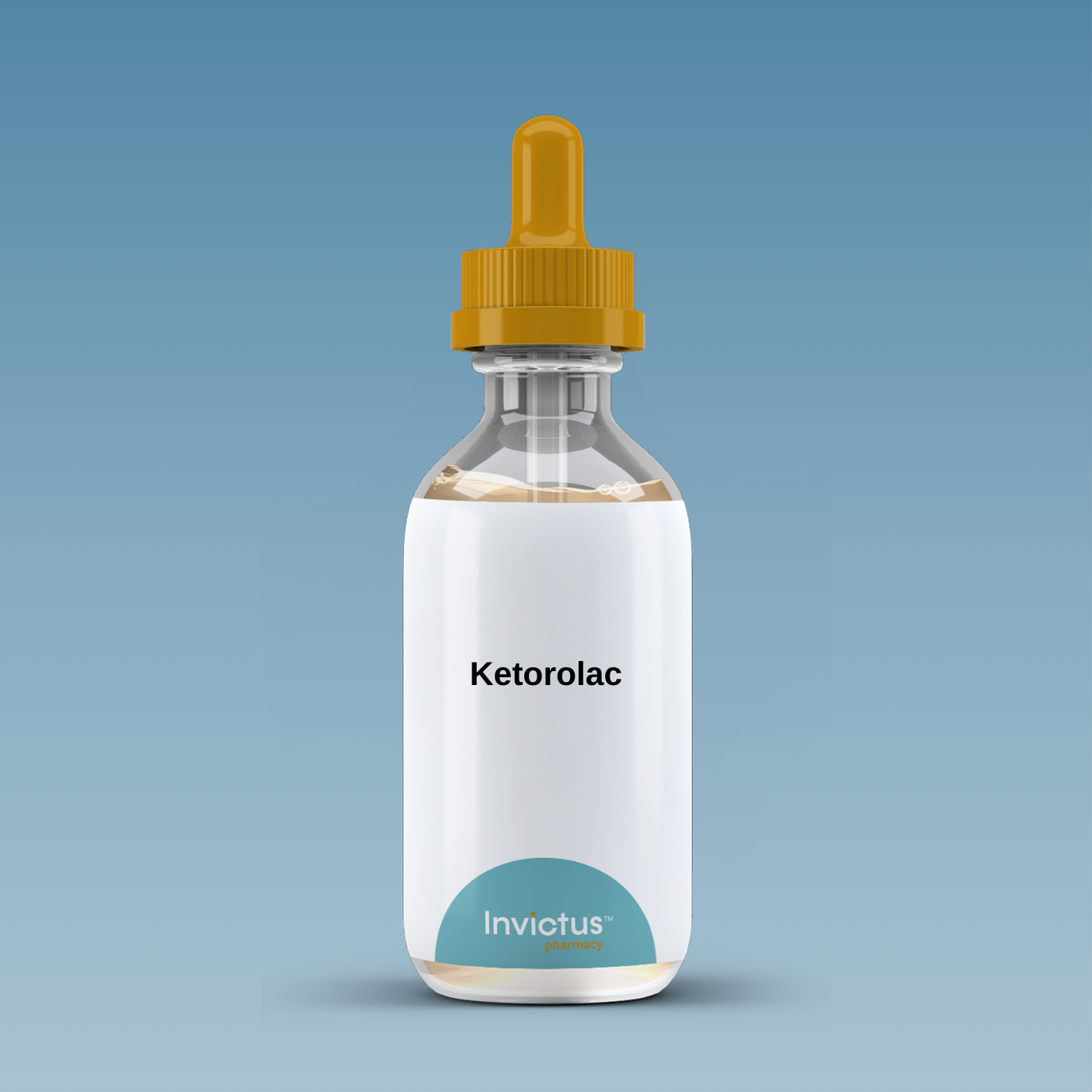
From:
$12.92
87.75% OFF
Prescription required
Ketorolac (Generic Toradol): Uses, Dosage, Side Effects, and More
Reviewed by:


From:
$12.92
87.75% OFF
Prescription required
Ketorolac tromethamine is a prescription nonsteroidal anti-inflammatory drug (NSAID) used for the short-term management of moderate to severe acute pain. It is most commonly prescribed after surgery or for other short-term painful conditions when non-opioid pain relief is appropriate, but stronger than typical over-the-counter NSAIDs may be needed.
Ketorolac is designed for short-term use only. Due to its increased risk of serious side effects—especially gastrointestinal bleeding and kidney problems—treatment with ketorolac (including injectable and oral forms combined) should not exceed 5 total days in adults. Although the brand name Toradol has been discontinued in the United States, generic ketorolac remains widely available.
Your Prescription
Ready to Fill
Your savings with us
87.75%
Avg. price at other pharmacies
$105.5

Need Help?
Our pharmacists are available 24/7 to answer questions about your medication.
Drug Facts
Generic name
Ketorolac tromethamine
Brand names
Toradol (brand discontinued; generic available)
Drug type
Nonsteroidal Anti-Inflammatory Drug (NSAID)
Controlled substance
Not a controlled medication
Dosage forms
Tablet, intramuscular (IM) injection, intravenous (IV) injection
Typical dosage
10 mg orally every 4–6 hours as needed (after IV/IM therapy). Total combined duration of all forms not to exceed 5 days.
Basics
What Is Ketorolac?
Ketorolac is a nonsteroidal anti-inflammatory drug (NSAID) known for its strong analgesic (pain-relieving) effects. It is often employed in the short-term treatment of moderate to severe pain, commonly used in post-surgical settings where non-opioid analgesia is preferred. Its ability to effectively alleviate pain makes it a popular choice among healthcare professionals.
Ketorolac works by inhibiting specific pathways that lead to inflammation and pain, providing substantial relief without the sedative side effects typically associated with narcotics. Given its efficacy, it is highly valued in scenarios requiring potent, short-duration pain management.
Note: This medication’s generic and brand-name formulations are used interchangeably throughout this article.
What Is Toradol?
Toradol is the brand name under which ketorolac is marketed. It is available in various forms, including injectable, oral tablets, and nasal sprays, allowing it to be tailored to diverse medical needs and patient circumstances. This multifaceted approach ensures its applicability across a range of settings—whether in the emergency room for acute pain or in the postoperative recovery room.
By offering various formulations, Toradol caters to the needs of different patient profiles, enabling an optimal, targeted approach to pain management. The injectable form is particularly used in clinical situations where rapid pain relief is required, while oral and nasal forms offer practical alternatives for ongoing pain control in outpatient settings.
Indications
What Is Ketorolac Used For?
Ketorolac serves as an effective solution for managing acute pain conditions requiring immediate attention. Its uses span several primary and off-label indications, lending this medication versatility in pain management.
Primary Indications
- Post-Operative Pain: Ketorolac is widely used for managing pain following surgical procedures, serving as a critical component in multi-modal analgesia strategies that aim to reduce or eliminate the use of opioids.
- Acute Pain: It provides short-term relief from moderate to severe acute pain from injuries or other medical conditions that do not necessitate chronic management.
Off-Label Uses
- Migraine Relief: Some practitioners prescribe ketorolac as a potent option for migraine relief, especially when traditional therapies are ineffective.
- Renal Colic: Due to its strong pain-relieving properties, it’s occasionally used to treat renal colic, providing temporary relief from the severe pain associated with kidney stones.
Ketorolac’s role in pain management, especially in short-term applications, is well documented and widely appreciated for its effectiveness. Its suitability for off-label uses illustrates the drug’s potential versatility, although such uses should be approached with caution and under professional guidance. Being aware of these applications enables healthcare providers to effectively cater to specific patient needs.
Mechanism
How Does Ketorolac Work?
Ketorolac alleviates pain and reduces inflammation through mechanisms specific to nonsteroidal anti-inflammatory drugs. Its mode of action is essential for understanding how it fits into broader pain management strategies.
Mechanism of Action
Ketorolac works by inhibiting the activity of cyclooxygenase (COX-1 and COX-2) enzymes, which are integral in the biosynthesis of prostaglandins. Prostaglandins are mediators that contribute to inflammation, pain, and fever by promoting leukocyte migration and sensitizing nociceptors. By reducing prostaglandin production, ketorolac provides effective pain relief and anti-inflammatory effects. This action is particularly valuable in conditions where inflammation contributes to the overall pain profile, such as post-surgical pain.
Pharmacokinetics
Ketorolac is rapidly absorbed after administration, with peak plasma concentrations typically achieved within an hour. Its metabolism primarily occurs in the liver through conjugation, with subsequent renal excretion. The drug has a half-life of approximately 5 to 6 hours, which influences its dosing schedule. The pharmacokinetic profile of ketorolac supports its suitability for short-term use, as its relatively fast onset and clearance make it ideal for treating transient pain conditions.
The drug’s ability to deliver rapid relief makes it a preferred choice when immediate analgesic effects are needed, such as in operative recovery or acute pain instances. Understanding its pharmacokinetics is crucial for optimizing dosing and minimizing potential side effects, ensuring safe and effective use.
Dosage
Ketorolac Dosages and Administration
The effective and safe use of ketorolac requires adherence to recommended dosing and appropriate administration. This ensures optimal pain relief while minimizing risks of side effects and complications.
Dosage Recommendations
Ketorolac is predominantly used for short-term treatment, generally not exceeding five days of therapy for acute pain conditions. Typically, the dosage is adjusted based on factors such as patient age, weight, renal function, and pain severity.
Administration Guidelines
- Oral Use: Ketorolac tablets are often prescribed at a dose of 10 mg every 4 to 6 hours, with a maximum daily dose of 40 mg. It is preferable for situations where maintaining pain control beyond the initial post-operative period is necessary.
- Injection: The injectable form is usually administered as 15 to 30 mg doses every 6 hours, with a daily maximum of 120 mg in adults. Intramuscular or intravenous routes may be chosen depending on the immediate needs for pain control.
- Nasal Spray: This form provides a non-invasive alternative with rapid onset, often used when oral administration is impractical.
When using ketorolac, it is crucial to follow prescribed guidelines to reduce the risk of adverse effects, especially given the potential for serious gastrointestinal and renal complications associated with NSAIDs. The short duration of therapy also serves to minimize these risks, making ketorolac a highly useful drug when carefully managed within its intended scope.
Get The Right Dose For Less
Why pay retail prices for the same medication?
At Invictus, we source directly from trusted, FDA-approved manufacturers to keep your costs low without sacrificing quality. Whether you need a one-time fill or regular refills, our transparent pricing makes it easy to save every day.
Side Effects
Ketorolac Side Effects and Risks
While ketorolac is effective for pain management, it carries potential side effects. Understanding these risks is crucial for the safe use and helps patients and healthcare providers prevent and appropriately manage possible adverse reactions.
Common Side Effects
- Headache: Some individuals may experience mild to moderate headaches as a common reaction.
- Dizziness: Dizziness can occur, highlighting the need for caution when driving or operating machinery.
- Drowsiness: A subset of patients may report drowsiness, making it important to assess effects on personal functioning.
- Nausea: A frequent side effect, typically mild and often resolving without intervention.
- Indigestion: The potential for gastrointestinal discomfort or mild dyspepsia is noted, particularly when taken orally.
Serious Side Effects
- Gastrointestinal Bleeding: There is an increased risk for ulcers or gastrointestinal bleeding, particularly in patients with a history of peptic ulcer disease.
- Kidney Dysfunction: Prolonged use can contribute to renal impairment, warranting careful monitoring of renal function in vulnerable individuals.
- Increased Blood Pressure: Patients may experience elevated blood pressure, which requires monitoring and, if necessary, adjusting hypertensive regimens.
- Heart Attack or Stroke: Especially with prolonged use, there is a heightened risk for cardiovascular events, emphasizing the importance of limiting the duration of therapy.
Proper patient selection, understanding contraindications, and limiting the duration of use mitigate many of its risks.
Interactions
Ketorolac Interactions
Ketorolac can interact with various medications, necessitating careful consideration and management of drug interactions. Understanding these interactions is vital for minimizing adverse effects and ensuring safe co-administration with other therapies.
Primary Drug Interactions
- Anticoagulants: Enhanced bleeding risks occur when combined with anticoagulants such as warfarin or heparin, warranting close monitoring.
- SSRIs: Selective serotonin reuptake inhibitors increase bleeding risk, necessitating caution and potential dosage adjustments.
- Other NSAIDs: Combining with other nonsteroidal anti-inflammatory drugs raises the likelihood of gastrointestinal and renal side effects, often considered inadvisable.
Other Considerations
- Alcohol: Consuming alcohol concurrently with ketorolac amplifies the risk of stomach bleeding and gastrointestinal distress, so avoidance is recommended.
- Methotrexate: Concurrent use with methotrexate can exacerbate toxicity, requiring careful dosing and monitoring.
- ACE Inhibitors: There might be reduced efficacy of blood pressure medications, along with an increased risk of renal impairment.
Given these potential interactions, patients should always provide a full account of their medications, including over-the-counter drugs and supplements. This transparency helps healthcare providers manage therapies effectively and minimize potential complications.
Contraindications
Ketorolac Contraindications
Certain conditions and patient profiles contraindicate the use of ketorolac. Recognizing these is essential for safe medication practices and avoiding life-threatening complications.
Absolute Contraindications
- NSAID Allergies: Patients with known allergies to ketorolac or other NSAIDs should avoid its use to prevent severe allergic reactions.
- Active Peptic Ulcer Disease: The risk of exacerbating gastrointestinal conditions through bleeding or perforation is significant.
- Recent Gastrointestinal Bleeding: History of recent or recurring gastrointestinal bleeding contraindicates ketorolac use due to elevated risks of hemorrhage.
- Severe Renal Impairment: Given the drug’s renal excretion, significant renal dysfunction presents a risk of toxicity.
Warnings and Precautions
- Elderly Use: Increased susceptibility to adverse effects in elderly patients necessitates a cautious approach.
- Pregnancy: Its use should be avoided, especially in the third trimester, due to risks of fetal harm and complications in pregnancy outcomes.
- Extended Use: Exceeding the suggested duration increases the risks of severe side effects; thus, adherence to guidelines is imperative.
Ketorolac should always be used judiciously, and these contraindications highlight the populations at highest risk for adverse outcomes. Comprehensive assessment and professional guidance help circumvent these pitfalls, ensuring its safe and effective application.
Ready to Start Saving?
No one should overpay for safe, effective medication. By cutting out middlemen and working directly with trusted, FDA-approved manufacturers, Invictus offers the same high-quality medicines you’d find at big retail pharmacies—at a fraction of the price.
Whether you choose brand-name or generic, we’ll deliver it quickly, affordably, and right to your door. Maybe that’s why most patients who switch to Invictus never look back.
Frequently Asked Questions (FAQs)
Didn’t see the answers you’re looking for in this article? Check out this comprehensive FAQ for more details.
Administration & Dosage
Ketorolac can be administered in several ways, including orally as a tablet, intramuscularly, or intravenously. The method of administration depends on the patient's specific needs and the healthcare provider's recommendation, taking into account factors like the pain level and medical history.
The typical oral dosage of Ketorolac is 10 mg every 4 to 6 hours as needed for pain relief. It's essential to limit the use to a maximum daily dose of 40 mg. This short-term treatment is usually not recommended for more than five days due to potential side effects.
For injections, Ketorolac is typically administered at a dosage of 15-30 mg every 6 hours as needed. The total daily dose should not exceed 120 mg. The specific dose can vary based on patient factors, such as age, kidney function, and pain severity.
Due to its associated risks, Ketorolac is not meant for long-term use. It should not be used beyond five days because prolonged use increases the risk of serious side effects, including gastrointestinal issues, kidney damage, and cardiovascular complications.
Ketorolac can be taken with or without food, but taking it with food or milk may help reduce the risk of stomach upset. If stomach problems continue, discussing alternative administration options with a healthcare provider could be beneficial.
Uses & Mechanism of Action
Ketorolac is utilized for the short-term treatment of moderate to severe pain. It's often prescribed in situations like postoperative pain management due to its effectiveness in reducing inflammation and providing pain relief without resorting to opioids.
Ketorolac works by inhibiting cyclooxygenase (COX) enzymes that produce prostaglandins, substances in the body that can cause inflammation, pain, and fever. By blocking these enzymes, Ketorolac effectively reduces pain and swelling.
Ketorolac is considered a short-acting medication, typically providing relief for 4 to 6 hours. Its rapid onset of action makes it suitable for managing acute pain, but it requires more frequent dosing than long-acting pain relief options.
Ketorolac is a prescription medication, primarily due to its potential side effects and the need for careful monitoring by healthcare professionals. Its use must adhere to the prescribed dosing guidelines to mitigate adverse effects.
Ketorolac is frequently prescribed after surgery due to its effective analgesic and anti-inflammatory properties. It aids in managing pain and reducing the need for opioid medications, which have a higher risk of dependency and other side effects.
Side Effects & Safety
Common side effects of Ketorolac include nausea, dizziness, headache, indigestion, and drowsiness. Recognizing these potential effects allows patients to explore management strategies with their healthcare providers to mitigate discomfort during treatment.
Serious side effects such as gastrointestinal bleeding, kidney damage, heart attack, and stroke can occur, particularly with prolonged use or in certain vulnerable populations. Immediate medical attention should be sought if such symptoms emerge during treatment.
Dizziness is indeed a reported side effect of Ketorolac. Patients are cautioned to be mindful when driving or operating heavy machinery until they fully understand how Ketorolac affects their balance and alertness to ensure safety.
Ketorolac should generally be avoided during pregnancy, particularly in the third trimester, due to an elevated risk of serious adverse effects on the fetus. Expectant mothers should consult with their healthcare providers about safer pain management options.
Older adults are potentially more susceptible to the side effects of Ketorolac. It's advised that they use the lowest effective dose for the shortest duration possible, under the close supervision of a healthcare professional, to maintain safety.
Interactions & Contraindications
It's recommended to avoid alcohol while taking Ketorolac, as combining the two can elevate the risk of stomach bleeding and increase overall gastrointestinal distress. Patients should be advised on the importance of avoiding alcohol during treatment.
Ketorolac can interact with several medications, including other NSAIDs, anticoagulants, antidepressants, and certain blood pressure medications. Patients must inform their healthcare provider of all medications they're taking to prevent adverse drug interactions.
Individuals with a history of peptic ulcer disease, gastrointestinal bleeding, or severe kidney impairment are typically advised against taking Ketorolac. These conditions can exacerbate the risk of serious side effects when using this medication.
Those with severe liver disease should exercise caution when using Ketorolac. It's crucial for such individuals to have their liver function monitored closely while on the medication, typically under strict medical supervision, to avoid exacerbating liver issues.
Patients should avoid taking other NSAIDs (such as ibuprofen or naproxen), aspirin, and certain corticosteroids unless under direct instruction by a healthcare provider to prevent increased risk of adverse effects such as gastrointestinal bleeding.
Generic & Alternatives
Ketorolac is available as a generic medication, generally offering a more cost-effective option compared to the brand-name Toradol while maintaining the same efficacy and safety profile for managing pain.
Toradol is the brand name for Ketorolac. It is categorized as a nonsteroidal anti-inflammatory drug (NSAID) used in the treatment of moderate to severe pain. Its use is primarily short-term to avoid the risk of long-term complications.
Alternatives to Ketorolac include other NSAIDs like ibuprofen and naproxen. For more severe pain, opioids or acetaminophen might be considered, depending on the patient's condition and comprehensive medical evaluation alongside risk assessment.
As of the latest updates, there are no widespread reports indicating that Ketorolac is being discontinued. It remains a commonly prescribed medication, but patients should verify its availability with pharmacies or manufacturers for the most current information.
Other NSAIDs may be used as substitutes for Ketorolac under medical advice. Each NSAID has unique properties, risks, and effectiveness, necessitating consultation with a healthcare provider to ensure an appropriate substitution that aligns with patient needs.
Disclaimer
The information provided on this page is for general informational purposes only and is not intended as medical advice. Always consult with a licensed healthcare provider before starting, stopping, or changing any medication regimen. While Invictus strives to provide accurate and up-to-date information, individual health conditions and circumstances vary. The prices, availability, and descriptions of all medications on this page are subject to change.
Your Prescription
Ready to Fill
Your savings with us
87.75%
Avg. price at other pharmacies
$105.5
Need Help?
Our pharmacists are available 24/7 to answer questions about your medication.