

From:
$9.49
95% OFF
Prescription required
Lansoprazole (Generic Prevacid): Uses, Dosage, Side Effects, and More
Reviewed by:


From:
$9.49
95% OFF
Prescription required
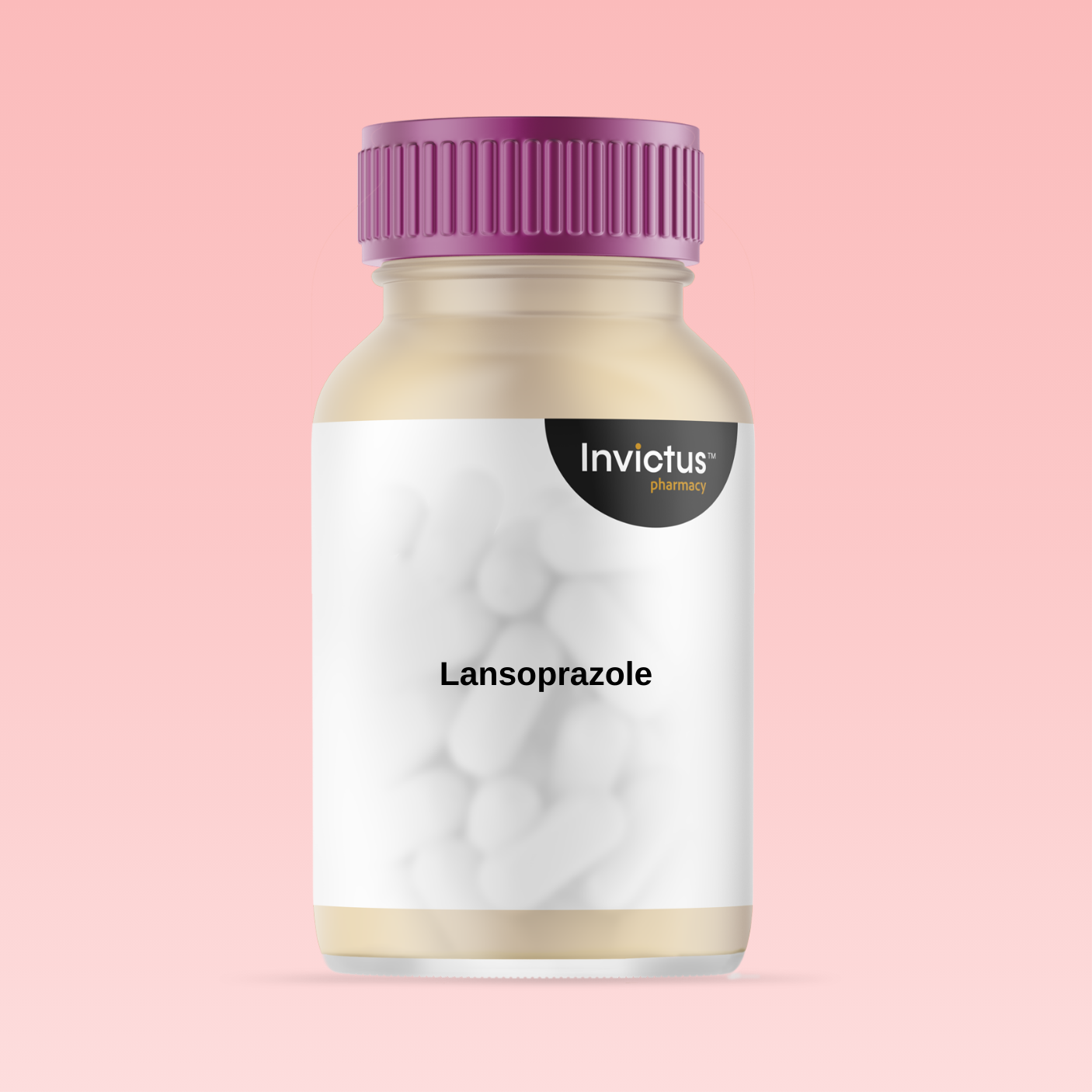
Lansoprazole is a proton pump inhibitor (PPI) used to treat conditions caused by excess stomach acid, including gastroesophageal reflux disease (GERD), stomach and intestinal ulcers, and Zollinger-Ellison syndrome. It works by reducing stomach acid production, relieving heartburn, and promoting healing of the esophagus and stomach lining. Lansoprazole is available both by prescription and over the counter, depending on strength and intended use.
Your Prescription
Ready to Fill
Your savings with us
95%
Avg. price at other pharmacies
$175.35

Need Help?
Our pharmacists are available 24/7 to answer questions about your medication.
Drug Facts
Generic name
Lansoprazole
Brand names
Prevacid
Drug type
Proton Pump Inhibitor (PPI)
Controlled substance
Not a controlled medication
Dosage forms
Delayed-release capsules, orally disintegrating tablets (Prevacid SoluTab)
Typical dosage
Dosing typically ranges from 15–30 mg taken by mouth once daily, depending on the condition being treated. Duration and dosing are determined by a healthcare provider.
Basics
What Is Lansoprazole?
Lansoprazole, the active ingredient in Prevacid, is a proton pump inhibitor. It works by blocking the enzymes in the stomach wall that produce acid, reducing overall acidity and providing relief from acid-related conditions. It is available in both generic and brand-name formulations and is a common treatment choice for conditions related to stomach acid.
Lansoprazole is effective for treating a range of acid-related conditions, making it a versatile medication for managing gastrointestinal health. Its efficacy and extensive research backing explain its prevalence in treatment protocols.
Note: This medication’s generic and brand-name formulations are used interchangeably throughout this article.
What Is Prevacid?
Prevacid is a widely prescribed medication used to treat conditions caused by excessive stomach acid. Its active ingredient, lansoprazole, is a proton pump inhibitor (PPI) that reduces gastric acid secretion.
Prevacid is particularly effective in managing gastrointestinal disorders and is available in both over-the-counter and prescription forms, depending on the required strength and specific usage.
Indications
What Is Lansoprazole Used For?
Prevacid is primarily used to treat and manage conditions associated with excessive stomach acid production. These conditions range from common issues such as GERD to more complex conditions, including Zollinger-Ellison syndrome.
Primary Indications
- Gastroesophageal Reflux Disease (GERD): Prevacid is frequently prescribed to relieve symptoms of GERD—such as persistent heartburn and regurgitation—and to prevent long-term esophageal damage caused by chronic exposure to stomach acid.
- Zollinger-Ellison Syndrome: This rare condition is characterized by tumors that lead to excessive gastric acid secretion. Prevacid helps control the overproduction of acid, reducing symptoms and preventing complications from the consistently elevated acid levels.
- Erosive Esophagitis: Prevacid is used to promote healing of the esophagus when stomach acid has caused inflammation, erosions, or ulceration, helping restore esophageal integrity and reduce painful swallowing or chronic irritation.
Off-Label Uses
While primarily used for its approved indications, Prevacid is also employed in treating other conditions off-label:
- Helicobacter pylori infection: Prevacid is used in combination with specific antibiotic regimens to eradicate H. pylori, a bacterium associated with the development of peptic ulcers and chronic gastritis. Reducing stomach acid improves the effectiveness of antibiotics and promotes the healing of ulcerated tissue.
- Peptic Ulcer Disease: Prevacid helps treat active ulcers in the stomach and duodenum by reducing acid production, allowing damaged tissue to heal. It is also used long-term to prevent ulcer recurrence, particularly in patients at risk due to NSAID use or previous ulcer history.
Mechanism
How Does Lansoprazole Work?
The action of Prevacid is centered on its ability to reduce gastric acid production, providing symptom relief and promoting gastrointestinal tract healing.
Mechanism of Action
Lansoprazole, the active ingredient in Prevacid, specifically inhibits the H+/K+-ATPase enzyme system in gastric parietal cells. This enzyme is crucial in the final step of acid production in the stomach.
By blocking this pathway, lansoprazole effectively reduces acid secretion, thereby decreasing gastric acidity.
Pharmacokinetics
Lansoprazole is quickly absorbed in the small intestine after administration. Its onset of action is rapid, with peak plasma concentrations typically reached within 1.5 to 2 hours. After absorption, Lansoprazole is excreted via renal and biliary pathways, making dose adjustments necessary for individuals with specific hepatic or renal impairments.
Dosage
Lansoprazole Dosages and Administration
Proper dosing and administration of Prevacid are crucial for achieving the best therapeutic outcomes. Following prescribed guidelines ensures efficacy while minimizing potential side effects.
Dosage Recommendations
- GERD: For adults and children 12 years of age and older, the typical dose is 15 mg once daily before a meal. Treatment duration is usually 8 weeks or less, depending on the response and the specific condition.
- Zollinger-Ellison Syndrome: The starting dose may be higher, around 60 mg, depending on the individual’s acid production levels and response. Adjustments are based on clinical evaluation.
Administration Guidelines
Prevacid should ideally be taken before meals, preferably in the morning, for optimal results.
Capsules should be swallowed whole and not crushed or chewed. For those unable to swallow capsules, the contents may be mixed with soft foods or administered using oral syringes, ensuring proper ingestion without altering the medication’s effectiveness.
Get The Right Dose For Less
Why pay retail prices for the same medication?
At Invictus, we source directly from trusted, FDA-approved manufacturers to keep your costs low without sacrificing quality. Whether you need a one-time fill or regular refills, our transparent pricing makes it easy to save every day.
Side Effects
Lansoprazole Side Effects and Risks
While Prevacid is effective for short-term relief, long-term use (more than 1 year) can lead to severe nutrient deficiencies, specifically Vitamin B12, Magnesium, and Calcium. This occurs because these nutrients require stomach acid for proper absorption; without it, patients may develop anemia, nerve damage, or osteoporosis. Furthermore, by neutralizing stomach acid, Prevacid removes a natural barrier against harmful bacteria. This significantly increases the risk of Clostridioides difficile (C. diff)—a severe, contagious infection causing life-threatening diarrhea—and community-acquired pneumonia.
Common Side Effects
- Headache: Many users report mild to moderate headaches during treatment, often resolving as therapy continues or with simple supportive measures.
- Diarrhea: Changes in bowel habits, including loose stools or increased frequency, may occur as the body responds to alterations in stomach acid levels.
- Nausea: Some individuals experience mild nausea or queasiness, which is typically temporary and may improve when Prevacid is taken before meals.
- Constipation: In some users, reduced stomach acid may slow bowel movement frequency, leading to constipation that alternates with or counterbalances diarrhea.
Serious Side Effects
- Severe abdominal pain: Persistent or intense abdominal pain may indicate complications such as infection, ulcer progression, or other gastrointestinal issues requiring immediate evaluation.
- Rash or itching: Skin reactions—including redness, itching, or hives—can signal an allergic reaction and warrant discontinuation and medical assessment.
- Dizziness or fainting: Episodes of dizziness or near-fainting should be investigated, particularly if frequent, to rule out electrolyte disturbances or other systemic effects.
- Bone fractures: Long-term or high-dose use has been associated with increased risk of fractures of the hip, wrist, or spine, especially in older adults or those with pre-existing risk factors for bone loss.
Interactions
Lansoprazole Interactions
Prevacid may interact with other medications, potentially reducing its effectiveness or increasing the risk of adverse effects. Reviewing all concurrent treatments with a healthcare provider is essential for safe use.
Primary Drug Interactions
- Warfarin: Prevacid may enhance warfarin’s anticoagulant effect, increasing the risk of bleeding and requiring more frequent INR monitoring.
- Methotrexate: Co-administration may elevate methotrexate concentrations, raising the risk of toxicity—particularly with high-dose regimens.
- Digoxin: Prevacid can increase digoxin absorption and serum levels, making close monitoring important to avoid toxicity.
Other Considerations
- Avoid use with atazanavir or nelfinavir: Prevacid can significantly reduce the effectiveness of these HIV medications, making this combination generally contraindicated.
- Severe liver impairment: Patients with significant hepatic dysfunction may require dose adjustments or alternative treatments, as impaired metabolism can increase drug exposure.
Contraindications
Lansoprazole Contraindications
Understanding contraindications is crucial for ensuring the safety and efficacy of Prevacid treatment.
Absolute Contraindications
- Hypersensitivity: Individuals with a known allergy to lansoprazole or any component of the formulation should not use Prevacid due to the risk of allergic reaction.
Warnings and Precautions
- Liver conditions: Prevacid should be used cautiously in patients with moderate to severe hepatic dysfunction, as altered metabolism may require dose modification.
- Clostridioides difficile-associated diarrhea: Long-term use of proton pump inhibitors may increase the risk of C. difficile infections, particularly in hospitalized or antibiotic-treated patients.
- Magnesium levels: Extended therapy may lead to hypomagnesemia; periodic monitoring of magnesium levels is recommended to prevent complications such as muscle cramps or arrhythmias.
Ready to Start Saving?
No one should overpay for safe, effective medication. By cutting out middlemen and working directly with trusted, FDA-approved manufacturers, Invictus offers the same high-quality medicines you’d find at big retail pharmacies—at a fraction of the price.
Whether you choose brand-name or generic, we’ll deliver it quickly, affordably, and right to your door. Maybe that’s why most patients who switch to Invictus never look back.
Frequently Asked Questions (FAQs)
Didn’t see the answers you’re looking for in this article? Check out this comprehensive FAQ for more details.
Administration & Dosage
Prevacid should be taken exactly as your healthcare provider recommends, typically once a day before meals in either delayed-release capsules or orally disintegrating tablets. It's crucial to swallow the capsules whole, without crushing or chewing, to ensure the medication is delivered properly to your system.
For optimal results, Prevacid should be taken at least 30 minutes before a meal, ideally in the morning. This timing helps maximize the drug’s effectiveness, ensuring it reduces stomach acid production efficiently.
The dosage of Prevacid often varies depending on the specific condition being treated. Most commonly, doses range between 15 mg and 30 mg per day. Always abide by your doctor's guidelines and the prescription label instructions for safety and efficacy.
Prevacid is usually taken once a day; however, in particular medical situations, higher doses may be required under strict medical supervision. It's vital not to exceed the prescribed dose to avoid potential adverse effects.
Prevacid should be consumed before meals to ensure it is effectively absorbed and performs optimally. If you have specific dietary concerns, consult your healthcare provider. Avoid taking it with food unless your doctor directs otherwise.
Uses & Mechanism of Action
Prevacid is primarily used to treat conditions like gastroesophageal reflux disease (GERD), stomach ulcers, and Zollinger-Ellison syndrome. Its role is to reduce stomach irritation and prevent additional complications associated with excessive stomach acid.
Lansoprazole, the active ingredient in Prevacid, is instrumental in decreasing stomach acid production. It helps manage acid-related conditions, making it effective for treating GERD, ulcers, and related digestive disorders.
Lansoprazole functions as a proton pump inhibitor (PPI). It works by inhibiting the proton pumps in the stomach lining, which produce stomach acid, thereby managing and preventing acid-related issues.
Prevacid can be available both over-the-counter and as a prescription drug. The form and dosage required will depend on the severity of the condition and the medical guidance provided.
Prevacid is prescribed to relieve symptoms of acid reflux, treat ulcers, and help heal the esophagus, especially when damage is caused by stomach acid. It can significantly enhance the quality of life for individuals with digestive issues.
Side Effects & Safety
While constipation is a potential side effect of lansoprazole, it is not commonly reported. If you experience persistent or severe constipation while taking lansoprazole, it's essential to consult your healthcare provider for advice.
Experiencing mucus in the throat isn't a typical side effect of lansoprazole. Any unusual symptoms that arise should prompt a discussion with your healthcare provider to ensure they aren’t indicative of an adverse reaction.
If you’re considering taking Prevacid during pregnancy, it is essential to discuss it with your healthcare provider first. They can help you weigh potential risks and benefits to determine if it's a safe option for your situation.
The safety of Prevacid while pregnant has not been conclusively established. Engaging in a thorough discussion with a healthcare professional can clarify whether the benefits justify any potential risks during pregnancy.
Some common side effects of Prevacid include headache, nausea, diarrhea, stomach pain, and constipation. These side effects are typically mild but should be monitored and reported to a doctor if they persist or worsen.
Interactions & Contraindications
Certain medications should be avoided with lansoprazole, including specific HIV drugs, methotrexate, and some antibiotics like amoxicillin. Disclose all medications you are taking to your healthcare provider to prevent interactions.
Combining lansoprazole with famotidine isn't usually recommended because they have similar effects on reducing stomach acid. Only a healthcare provider should authorize such a combination to avoid unnecessary duplication of therapy.
While no strict dietary restrictions are established, it’s beneficial to avoid alcohol and foods that might irritate the stomach. These precautions can help enhance Prevacid's effectiveness in managing your condition.
Antacids can be taken with lansoprazole, but it's preferred to space them out by at least an hour. This helps prevent any potential reduction in lansoprazole’s effectiveness caused by stomach interactions.
Individuals with certain conditions, like liver disease, might need adjusted dosing or to avoid using Prevacid altogether. Comprehensive discussions of your medical history with your doctor are vital to ensure safe use.
Generic & Alternatives
Prevacid contains the active ingredient lansoprazole. Other inactive ingredients may include lactose, magnesium carbonate, and titanium dioxide, which are used to formulate the medication.
Lansoprazole is indeed the generic version of the brand-name drug Prevacid. Both the generic and the branded product work similarly and are used interchangeably to treat acid-related conditions.
Alternatives to Prevacid include other proton pump inhibitors such as omeprazole and esomeprazole, as well as H2 blockers like ranitidine. These alternatives can offer similar benefits in managing stomach acid issues.
Switching medications should always be done under medical supervision. Your healthcare provider can guide you on safer alternatives, taking into account your medical history and ongoing treatment plans.
As of the most recent updates, Prevacid has not been discontinued. However, availability may vary by location or formulation. Always check with pharmacies or manufacturers for current stock updates.
Disclaimer
The information provided on this page is for general informational purposes only and is not intended as medical advice. Always consult with a licensed healthcare provider before starting, stopping, or changing any medication regimen. While Invictus strives to provide accurate and up-to-date information, individual health conditions and circumstances vary. The prices, availability, and descriptions of all medications on this page are subject to change.
Your Prescription
Ready to Fill
Your savings with us
95%
Avg. price at other pharmacies
$175.35
Need Help?
Our pharmacists are available 24/7 to answer questions about your medication.