

From:
$27.50
89.27% OFF
Prescription required
Mometasone (Generic Nasonex): Uses, Dosage, Side Effects, and More
Reviewed by:


From:
$27.50
89.27% OFF
Prescription required
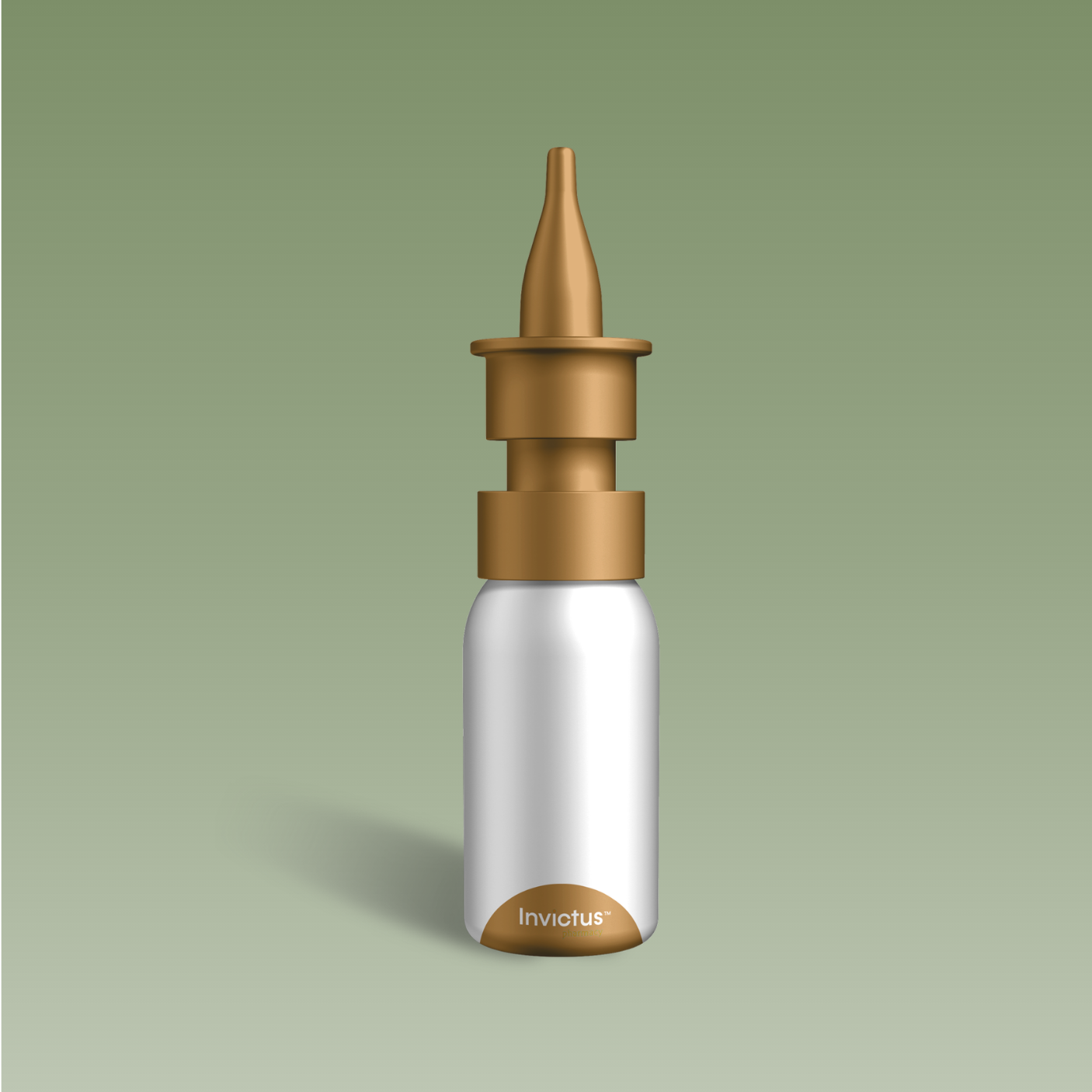
Mometasone (Nasonex) is a prescription corticosteroid nasal spray used to treat nasal allergy symptoms such as congestion, sneezing, and a runny nose caused by seasonal or year-round allergic rhinitis. It’s also used to treat nasal polyps in adults. Mometasone works by reducing inflammation in the nasal passages, helping alleviate swelling and irritation, and making breathing easier. Mometasone requires a prescription and should be used only under a healthcare provider’s supervision.
Your Prescription
Ready to Fill
Your savings with us
89.27%
Avg. price at other pharmacies
$256.25

Need Help?
Our pharmacists are available 24/7 to answer questions about your medication.
Drug Facts
Generic name
Mometasone Furoate
Brand names
Nasonex, Nasonex 24HR Allergy
Drug type
Corticosteroid (nasal spray)
Controlled substance
Not a controlled medication
Dosage forms
Nasal spray
Typical dosage
Dosing is typically 2 sprays in each nostril once daily, providing a total daily dose of 200 mcg. Dosage may vary based on patient age and the condition being treated.
Basics
What Is Mometasone Furoate?
Mometasone furoate is a potent topical corticosteroid that plays a crucial role in mitigating inflammatory processes. By modulating the immune response, it effectively attenuates allergen-induced inflammation, reducing swelling, itching, and nasal secretions. This therapeutic action makes it an asset in both acute and chronic nasal conditions resulting from hypersensitivity.
Note: This medication’s generic and brand-name formulations are used interchangeably throughout this article.
What Is Nasonex?
Nasonex is a nasal corticosteroid spray primarily used to relieve and prevent symptoms of allergic rhinitis and nasal polyps. The active component in Nasonex, mometasone furoate, contributes significantly to its therapeutic effects by targeting inflammatory pathways.
Indications
What Is Mometasone Used For?
Nasonex is a corticosteroid nasal spray commonly prescribed to reduce inflammation in the nasal passages and relieve symptoms caused by allergic and inflammatory conditions. Its targeted, local action makes it an effective option for managing chronic nasal discomfort while minimizing systemic side effects.
Primary Indications
Nasonex works by reducing inflammation, swelling, and mucus production in the nasal lining. It does this by inhibiting inflammatory mediators involved in allergic responses, helping restore normal airflow and relieve irritation. Nasonex is primarily indicated for:
- Relief of symptoms associated with allergic rhinitis: Effective for both seasonal allergies (such as hay fever caused by pollen) and perennial allergies (triggered by dust mites, pet dander, or mold). Relieved symptoms include nasal congestion, rhinorrhea, sneezing, and nasal itching.
- Treatment of nasal polyps in adults: Helps shrink nasal polyps, improve airflow, reduce congestion, and decrease the likelihood of recurrence when used consistently as prescribed.
Off-Label Uses
While primarily designed for allergic rhinitis and nasal polyps, Nasonex is sometimes used for additional purposes based on clinical judgment, including:
- Adjunctive therapy for sinusitis: When used alongside antibiotics or other treatments, Nasonex may help reduce sinus inflammation, improve drainage, and ease facial pressure and congestion in certain patients.
Because Nasonex is intended for regular, ongoing use rather than immediate relief, its full benefits may take several days to develop. Consistent use as directed by a healthcare provider is key to achieving optimal symptom control.
Mechanism
How Does Mometasone Work?
Nasonex exerts its effects through targeted pharmacological actions that attenuate nasal inflammation and improve nasal passage patency.
Mechanism of Action
At the core of Nasonex’s mechanism of action is mometasone furoate, which binds to glucocorticoid receptors in nasal tissue. This binding inhibits the secretion of pro-inflammatory mediators, including cytokines and chemokines. As a result, the inflammatory response is suppressed, thereby alleviating nasal congestion, swelling, and the irritation typical of allergic reactions.
Pharmacokinetics
The pharmacokinetics of mometasone furoate are characterized by minimal systemic absorption upon nasal administration. This property is advantageous because it reduces the risk of systemic side effects commonly associated with corticosteroid therapy. Mometasone is metabolized in the liver and primarily excreted in bile, ensuring its effectiveness at the desired site of action while reducing systemic exposure.
Dosage
Dosages and Administration
Proper administration of Nasonex ensures optimal therapeutic outcomes while minimizing adverse effects. Understanding dosing schedules and adequate administration techniques is essential for both clinicians and patients.
Dosage Recommendations
- For adults and children 12 years of age and older: The standard dose is 2 sprays in each nostril once daily. This dosing strategy typically provides sufficient control for allergic symptoms and nasal polyps.
- For maintenance therapy: Once symptoms are under control, the dose may be decreased to one spray in each nostril once daily to maintain effectiveness and potentially reduce side effects.
Administration Guidelines
Administering Nasonex correctly helps ensure the medication reaches the nasal passages effectively while minimizing irritation or improper dosing. Following these steps can improve symptom control and reduce the likelihood of side effects:
- Shake the bottle well: This ensures uniform dispersion of the medication before each use, ensuring the correct dose is delivered with every spray.
- Prime the spray pump: If the nasal spray has not been used for five days or longer, prime the pump by pressing it several times until a fine, even mist appears. This helps ensure accurate dosing.
- Clear the nasal passages first: Gently blow your nose before use to remove excess mucus and allow better contact between the medication and the nasal lining.
- Use proper spraying technique: Nasonex carries a critical warning for Nasal Septal Perforation. If the spray is consistently directed at the nasal midline (the septum) rather than the lateral walls, the steroid can thin the tissue until a permanent hole develops. To prevent this, always use the ‘Opposite Hand Rule’: use your right hand to spray into your left nostril, and your left hand to spray into your right nostril. This naturally angles the nozzle away from the septum. If you notice a whistling sound when you breathe through your nose or persistent crusting in the center of your nose, stop use immediately and see an ENT specialist.
- Avoid contact with the eyes: If accidental eye contact occurs, rinse thoroughly with water to prevent irritation.
Consistent adherence to these administration guidelines promotes optimal medication efficacy while reducing the risk of improper use, nasal irritation, or diminished therapeutic benefit.
Get The Right Dose For Less
Why pay retail prices for the same medication?
At Invictus, we source directly from trusted, FDA-approved manufacturers to keep your costs low without sacrificing quality. Whether you need a one-time fill or regular refills, our transparent pricing makes it easy to save every day.
Side Effects
Side Effects and Risks
Understanding the potential side effects of Nasonex is important for safe and effective use. Most side effects are mild and resolve on their own; however, awareness of more serious reactions enables early intervention and helps prevent complications. Monitoring symptoms—especially during long-term use—supports safer treatment outcomes.
Common Side Effects
Common side effects are typically mild and temporary, particularly during the first few days of use:
- Headache: A frequently reported effect that often resolves without treatment.
- Nosebleeds: Usually mild and associated with nasal dryness or irritation; using a humidifier or saline spray may help reduce the risk.
- Sore throat: Can occur with prolonged use due to local throat irritation.
- Cough: Often mild and transient, sometimes associated with post-nasal drip after spraying.
- Nasal irritation or burning: A brief stinging sensation may occur immediately after application and typically subsides quickly.
Serious Side Effects
Although uncommon, serious side effects require prompt medical attention:
- Severe allergic reactions: Signs include swelling of the face, lips, tongue, or throat; hives; a rash; or difficulty breathing.
- Vision problems: Blurred vision, eye pain, or visual disturbances may indicate increased eye pressure, cataracts, or glaucoma, particularly with long-term corticosteroid use.
- White patches in the nose or mouth: May signal a fungal infection (candidiasis) and should be evaluated by a healthcare provider.
- Persistent nosebleeds or sores inside the nose: Can suggest excessive irritation, tissue damage, or infection and may require discontinuation or dose adjustment.
- Delayed wound healing: Corticosteroids can slow healing in the nasal lining, especially after nasal surgery or injury.
If any serious or persistent symptoms occur, prompt consultation with a healthcare provider is strongly recommended to determine whether continued use of Nasonex is appropriate or if alternative treatment is needed.
Interactions
Mometasone Interactions
Nasonex is generally well tolerated, but certain drug interactions and clinical situations require caution to minimize the risk of systemic corticosteroid effects or delayed healing. Reviewing all medications and relevant health conditions with a healthcare provider helps ensure safe and effective use.
Primary Drug Interactions
Several interactions may influence Nasonex’s safety profile or increase the likelihood of side effects:
- Strong CYP3A4 inhibitors: Medications such as ketoconazole, itraconazole, ritonavir, or clarithromycin can inhibit the metabolism of mometasone, potentially increasing systemic exposure. This may raise the risk of corticosteroid-related side effects, including adrenal suppression, especially with long-term use.
- Other corticosteroids: Using Nasonex alongside oral, inhaled, or topical corticosteroids may result in additive systemic exposure, increasing the risk of side effects such as immune suppression, delayed wound healing, or hormonal imbalances. Careful dose coordination and monitoring are recommended.
Other Considerations
- Claritin (loratadine) and Nasonex: These medications can be used together safely, as they target allergy symptoms through different mechanisms—Claritin blocks histamine, while Nasonex reduces nasal inflammation.
- Zyrtec (cetirizine) and Nasonex: Also considered safe for combined use, particularly in patients with moderate to severe allergy symptoms requiring multi-modal therapy.
- Vaccinations and infections: Because Nasonex is a corticosteroid, caution is advised in patients with untreated infections, as the immune response may be mildly suppressed.
Contraindications
Mometasone Contraindications
Contraindications are specific conditions or factors that make the use of Nasonex (mometasone furoate) unsafe or inadvisable. Identifying these conditions before starting therapy helps prevent serious adverse reactions and ensures that treatment is both appropriate and effective for the patient’s individual health profile.
Absolute Contraindications
- Hypersensitivity: Individuals with a known allergy to mometasone furoate or any component of Nasonex should not use this medication due to the risk of allergic reactions.
Warnings and Precautions
Certain conditions warrant closer monitoring or modified use:
- Active or inactive tuberculosis: Corticosteroids can worsen or reactivate infections, so Nasonex should be used cautiously and under medical supervision.
- Recent nasal surgery or trauma: Use may delay wound healing or increase local irritation; treatment should be postponed until adequate healing has occurred.
- Chronic infections or immune suppression: Patients with recurrent infections or immunosuppression should be monitored closely.
- Patients with hypertension: Although systemic absorption is minimal, prolonged or high-dose use may rarely contribute to elevated blood pressure, requiring monitoring in susceptible individuals.
By identifying potential interactions, contraindications, and precautionary conditions, healthcare providers can tailor Nasonex therapy to maximize benefit while minimizing avoidable risks.
Ready to Start Saving?
No one should overpay for safe, effective medication. By cutting out middlemen and working directly with trusted, FDA-approved manufacturers, Invictus offers the same high-quality medicines you’d find at big retail pharmacies—at a fraction of the price.
Whether you choose brand-name or generic, we’ll deliver it quickly, affordably, and right to your door. Maybe that’s why most patients who switch to Invictus never look back.
Frequently Asked Questions (FAQs)
Didn’t see the answers you’re looking for in this article? Check out this comprehensive FAQ for more details.
Administration & Dosage
Nasonex should be used as directed by your healthcare provider. Typically, adults and children aged 12 and older use two sprays in each nostril once daily. Shake the bottle well before each use and avoid spraying it inside your eyes or mouth.
Nasonex can be used in children aged two and older. However, dosages may vary with age, so strict adherence to the healthcare provider's guidelines is essential for safe and effective treatment in pediatric patients.
While relief might begin within 12 hours, Nasonex may take up to two weeks for its full effects to be evident. Consistent use is key to achieving optimal therapeutic outcomes, particularly for chronic conditions such as persistent allergic rhinitis.
Nasonex is typically metabolized quickly, with effects lasting approximately 24 hours post-administration. This duration supports its once-daily dosing schedule, providing consistent relief from allergic symptoms with regular, appropriate use.
Nasonex is not associated with insomnia or sleep disruption. If you experience any unexpected sleep disturbances while using Nasonex, discuss this with your healthcare provider to rule out other causes.
Uses & Mechanism of Action
Nasonex is commonly used to alleviate nasal symptoms associated with seasonal and perennial allergic rhinitis, such as congestion and rhinorrhea. Additionally, it is used to treat nasal polyps in adults, thereby improving nasal airflow.
Nasonex is a nasal spray containing mometasone furoate, a corticosteroid. It's designed to reduce inflammation and other symptoms associated with allergic reactions, offering relief from allergy-related nasal symptoms or nasal polyps.
Nasonex is not classified as an antihistamine. Instead, it is a corticosteroid that reduces inflammation in the nasal passages, whereas antihistamines primarily block histamine, the chemical implicated in allergic responses.
Nasonex reduces nasal inflammation and swelling by inhibiting substances that cause allergic symptoms. Its mechanism supports the alleviation of nasal congestion and other symptoms, improving breathing and comfort in individuals experiencing such allergic reactions.
Nasonex is a corticosteroid, a type of steroid. It uses mometasone furoate to reduce inflammation and swelling in the nasal passages, helping relieve allergy symptoms.
Side Effects & Safety
Common side effects can include headaches, nosebleeds, sore throat, and nasal irritation. These side effects are generally mild and transient. However, if they persist or worsen, consulting a healthcare provider is advisable.
Nasonex is not typically associated with significant increases in blood pressure. Nonetheless, it's crucial to discuss any cardiovascular concerns with a doctor, especially if you have a history of high blood pressure or related conditions.
Nasonex effectively alleviates nasal congestion by reducing inflammation in the nasal passages. It is commonly used to relieve discomfort associated with a stuffy nose due to allergic rhinitis or nasal polyps.
Serious side effects are rare but may involve severe nosebleeds or signs of infection. It’s crucial to contact your healthcare provider immediately if you observe such symptoms to ensure comprehensive care and management.
If pregnant or planning to become pregnant, it's essential to consult your healthcare provider. They can evaluate the potential risks and benefits to determine whether Nasonex is appropriate during pregnancy, ensuring safety for both the mother and the baby.
Interactions & Contraindications
Claritin, an antihistamine, can usually be taken alongside Nasonex, as they provide complementary relief by different mechanisms. Always consult your healthcare provider for personalized recommendations based on your specific health conditions.
Using Nasonex and Zyrtec together is generally considered safe, as they act through different mechanisms to manage allergy symptoms. However, it’s advisable to consult your healthcare provider to optimize your treatment plan.
Nasonex may interact with other corticosteroids or similar medications. It's critical to inform your healthcare provider about all medicines you're currently taking to avoid potential interactions and ensure safe, effective use.
Nasonex is not available for over-the-counter purchase. It requires a prescription from a healthcare provider, ensuring its use is appropriate and tailored to individual patient needs based on a medical evaluation.
If you have recently undergone nasal surgery, have nasal sores, or suffer from nasal infections, consult your healthcare provider before using Nasonex. Such conditions may require specific medical advice to ensure safe treatment.
Generic & Alternatives
Flonase and Nasonex are both corticosteroid nasal sprays, but contain different active ingredients. Flonase has fluticasone propionate, while Nasonex contains mometasone furoate. These differences may affect their use and individual patient responses.
The efficacy of Flonase versus Nasonex can differ from patient to patient. A healthcare provider can help determine which medication is more suitable based on individual symptoms and medical history, optimizing allergy management.
Nasonex includes mometasone furoate as its active ingredient. In addition, various inactive ingredients facilitate effective nasal delivery, ensuring optimal relief from allergy-related nasal symptoms while maintaining user comfort.
While both Nasonex and Nasacort are nasal corticosteroids, they contain different active substances. Nasonex contains mometasone furoate, whereas Nasacort contains triamcinolone acetonide, potentially leading to variability in user responses and treatment outcomes.
Nasonex is not an over-the-counter (OTC) product. It requires a prescription, ensuring that its use is tailored to individual needs following a comprehensive assessment by a healthcare professional.
Disclaimer
The information provided on this page is for general informational purposes only and is not intended as medical advice. Always consult with a licensed healthcare provider before starting, stopping, or changing any medication regimen. While Invictus strives to provide accurate and up-to-date information, individual health conditions and circumstances vary. The prices, availability, and descriptions of all medications on this page are subject to change.
Your Prescription
Ready to Fill
Your savings with us
89.27%
Avg. price at other pharmacies
$256.25
Need Help?
Our pharmacists are available 24/7 to answer questions about your medication.