

From:
$31.95
Prescription required
Naltrexone (Revia): Uses, Dosage, Side Effects, and More
Reviewed by:


From:
$31.95
Prescription required
Naltrexone hydrochloride is an oral, synthetic prescription medication classified as a pure opioid receptor antagonist, designed to block the reinforcing neurochemical pathways associated with substance dependence. It is indicated for the treatment of alcohol dependence and for the prevention of relapse to opioid dependence following complete detoxification. By binding to central nervous system opioid receptors, naltrexone completely neutralizes the euphoria and psychological reinforcement typically induced by alcohol and narcotics, without inducing physical dependence or abuse potential. It is most clinically effective when deployed as a core component of a comprehensive behavioral modification and counseling program.
Your Prescription
Ready to Fill

Drug Facts
Generic name
Naltrexone
Brand names
Revia
Drug type
Opioid antagonist; medication used for alcohol use disorder and opioid dependence maintenance treatment
Controlled substance
No
Dosage forms
Oral tablets
Typical dosage
- Alcohol use disorder: 50 mg orally once daily; may initiate at 25 mg for the first few days to minimize gastrointestinal effects
- Opioid use disorder: 50 mg orally once daily; alternative flexible dosing schedules may be used under direct observation (e.g., 100 mg Monday, 100 mg Wednesday, 150 mg Friday)
- Patients must be completely opioid-free for a minimum of 7 to 10 consecutive days before initiating therapy.
Basics
What is Naltrexone?
Naltrexone hydrochloride is an oral, synthetic prescription medication classified as a pure opioid receptor antagonist. It functions as a specialized pharmacological modulator designed to block the reinforcing neurochemical pathways associated with substance dependence.
Clinically, naltrexone tablets are indicated for the:
- Treatment of Alcohol Dependence: To support the maintenance of abstinence and reduce the frequency and severity of relapse in patients seeking to modify their alcohol consumption.
- Blockade of Exogenous Opioids: Indicated for the prevention of relapse to opioid dependence following absolute, comprehensive detoxification.
By target-locking central nervous system opioid receptors, naltrexone completely neutralizes the euphoria, physical reward, and psychological reinforcement typically induced by alcohol and narcotics. Because it acts as a pure antagonist with zero intrinsic narcotic activity, it does not induce physical dependence or serve as a vehicle for structural abuse. It is most clinically effective when deployed as a core component of a comprehensive behavioral modification and counseling program.
Indications
What is Naltrexone used for?
Naltrexone is indicated for the treatment of alcohol dependence and for the prevention of relapse to opioid dependence following complete detoxification from all exogenous opioids.
Mechanism
How does Naltrexone work?
Pharmacodynamics and Reward Circuit Interception
The psychological and physical reinforcement driving substance dependence relies heavily on the mesolimbic dopamine system — the primary reward pathway of the brain. Naltrexone intervenes directly within this circuit by acting as a highly potent, competitive pure opioid antagonist with its highest binding affinity concentrated at the μ (mu) and κ (kappa) opioid receptors.
- Interception of Alcohol Reinforcement: In alcohol consumption, ethanol ingestion triggers the endogenous release of native beta-endorphins. These endorphins bind to presynaptic μ-receptors in the ventral tegmental area (VTA), thereby dampening inhibitory GABAergic firing and triggering a massive secondary release of dopamine in the nucleus accumbens, creating the classic “buzz” or reward of intoxication. Naltrexone blocks these μ-receptors, breaking the link. When a patient on naltrexone drinks alcohol, the dopamine spike is blocked, removing the physical sense of pleasure and progressively extinguishing the psychological craving over time.
- Absolute Opioid Blockade: In opioid dependence, naltrexone acts as a physical shield. It binds to the μ-receptor with an affinity far superior to that of exogenous narcotics (such as heroin, oxycodone, or methadone). If a patient slips and takes an opioid, the drug is completely blocked from binding. No euphoria, respiratory depression, or sedation can manifest.
Pharmacokinetics
- Absorption: Following oral administration, naltrexone is rapidly and nearly completely absorbed from the gastrointestinal tract, reaching peak plasma concentration (Tmax) within 1 hour.
- Metabolism & The Active Metabolite: Undergoes extensive, comprehensive first-pass hepatic biotransformation. It is metabolized primarily by the cytosolic enzyme dihydrodiol dehydrogenase (completely independent of the microsomal Cytochrome P450 system) into its major active metabolite, 6-β-naltrexol. 6-β-naltrexol is also a potent opioid antagonist and circulates at concentrations up to 30 times higher than the parent drug, contributing significantly to the overall duration of therapeutic blockade.
- Elimination: The parent naltrexone molecule exhibits a terminal elimination half-life of approximately 4 hours, while the active 6-β-naltrexol metabolite displays a prolonged half-life of approximately 13 hours, allowing for convenient once-daily dosing. It is excreted pdominantly as metabolites via renal filtration into the urine.
Dosage
Naltrexone Dosages & Administration
Standard Clinical Dosing Protocols
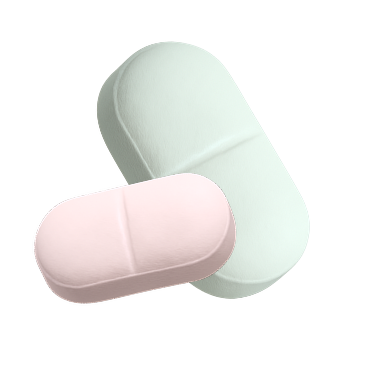
- Alcohol Use Disorder (reAUD): The standard therapeutic maintenance dose is 50 mg orally once daily. Therapy may be initiated at 25 mg (half of a scored tablet) for the first few days to minimize early gastrointestinal adaptation before escalating to the full 50 mg baseline.
- Opioid Use Disorder (OUD): Maintenance therapy is 50 mg orally once daily. Alternatively, to improve compliance in outpatient public health settings, flexible alternative-day dosing schedules may be deployed under direct observation (e.g., 100 mg on Mondays and Wednesdays, and 150 mg on Fridays).
Strict Treatment Inception Prerequisites
The Absolute Opioid-Free Detoxification Threshold
Naltrexone must never be initiated in a patient who has not achieved complete, absolute detoxification from all exogenous opioids for a minimum duration of 7 to 10 consecutive days. Before administering the first tablet, an immediate naloxone challenge test or a strict urine toxicology screening must be executed to confirm zero residual narcotic presence. If naltrexone is introduced into an individual with circulating opioids in their system, its high affinity will instantly dislodge the narcotics, precipitating an immediate, violent, and life-threatening Acute Precipitated Opioid Withdrawal Syndrome requiring emergency hospitalization.
Administration Handling: Tablets can be taken with or without food. Ingesting the daily dose with a meal or a large glass of milk is highly recommended during the initial week of care to minimize the risk of local enteric receptors triggering transient nausea.
Get The Right Dose For Less
Why pay retail prices for the same medication?
At Invictus, we source directly from trusted, FDA-approved manufacturers to keep your costs low without sacrificing quality. Whether you need a one-time fill or regular refills, our transparent pricing makes it easy to save every day.
Side Effects
Naltrexone Side Effects and Risks
Dose-Dependent Hepatotoxicity
During initial high-dose clinical evaluations, naltrexone demonstrated a capacity to induce hepatocellular injury:
- Clinical Protocol: Naltrexone is strictly contraindicated in patients with acute hepatitis or baseline severe liver failure.
- Laboratory Tracking Mandate: Liver Function Tests (LFTs), including baseline serum transaminases (ALT and AST) and bilirubin, must be evaluated before writing the first prescription and at 1, 3, 6, and 12 months, and semiannually thereafter.
- Discontinuation Ceilings: If a patient develops a progressive spike in liver enzymes exceeding 3 to 5 times the Upper Limit of Normal, the medication must be withheld or permanently discontinued.
The Emergency Opioid Overdose Hazard
Patients must be explicitly warned about a critical, life-threatening vulnerability that can manifest following a period of continuous naltrexone therapy:
- The Loss of Tolerance Trap: Naltrexone therapy induces a profound up-regulation of opioid receptor sensitivity. If a patient stops taking their daily tablet and subsequently relapses to using their historical, pre-treatment doses of street opioids or prescription narcotics, they will experience a catastrophic, acute overdose due to their completely lost biological tolerance.
- The Overdrive Danger: Furthermore, if a patient attempts to deliberately “override” an active naltrexone blockade by taking massive, excessive quantities of exogenous opioids to feel a high, they can rapidly induce fatal respiratory depression and acute circulatory collapse before the blocking thresholds can be breached.
Precipitation of Severe Depression and Suicidal Ideation
Patients navigating substance recovery pathways exhibit a high baseline prevalence of comorbid mood disorders. Naltrexone has been linked to emerging or worsening depression, severe generalized anxiety, and suicidal ideation in vulnerable individuals. Monitor all recovering patients closely for sudden behavioral shifts or thoughts of self-harm.
Common Adverse Reactions
The most frequent side effects documented across large-scale recovery registries are typically mild, self-limiting, and concentrate within the first 1 to 2 weeks of starting therapy:
- Nausea and vomiting (affecting up to 10% of patients during initiation)
- Generalized headaches and dizziness
- Asthenia (profound fatigue or physical weakness)
- Anxiety, nervousness, and mild insomnia
- Abdominal cramps and dyspepsia
- Joint and muscle pain (myalgias)
Interactions
Naltrexone Interactions
- Opioid-Containing Medications (Antagonistic Cancellation): Naltrexone completely neutralizes the efficacy of all opioid-containing cough suppressants (such as codeine or dextromethorphan combinations), antidiarrheal agents (loperamide, diphenoxylate), and opioid analgesics (tramadol, hydrocodone, morphine). If a patient on naltrexone requires emergency surgery or experiences severe trauma, standard opioid pain plans will be completely ineffective. Specialized high-dose regional nerve blocks, non-opioid intravenous multi-modals (ketorolac, acetaminophen), or conscious sedation with alternative agents must be utilized under continuous anesthesiology observation.
- NSAIDs and Hepatotoxic Agents: While naltrexone does not display primary microsomal CYP interactions, combining it with alternative prescription medications known to possess independent liver toxicity weights requires heightened LFT tracking vigilance.
Contraindications
Naltrexone Contraindications
- Acute Hepatitis or Severe Liver Failure: Naltrexone is strictly contraindicated in patients with acute hepatitis or baseline severe liver failure.
- Current Opioid Dependence Without Completed Detoxification: Naltrexone must never be initiated in a patient who has not achieved complete detoxification from all exogenous opioids for a minimum of 7 to 10 consecutive days, due to the risk of precipitating acute opioid withdrawal syndrome.
Additional Considerations
Pregnancy and Neonatal Coordination
Data on the use of oral naltrexone tablets in pregnant individuals are limited. Animal reproductive models with highly elevated maternal exposures showed minor embryocidal effects but no structural teratogenic malformations. Untreated alcohol or opioid dependence during gestation is a high-stakes hazard linked to fetal alcohol syndrome, placental abruption, and low birth weight. Naltrexone should be deployed during pregnancy only if the potential recovery benefits to the mother strictly justify the unknown risks to the developing fetus.
Lactation
Both naltrexone and its active 6-β-naltrexol metabolite are excreted into human breast milk in low quantities. Because data regarding long-term infant exposure are sparse, a careful clinical risk-benefit assessment must be conducted. If maternal therapy is mandatory, the nursing infant must be monitored closely for excessive sedation, poor feeding, or changes in developmental milestones.
Geriatric Care
Naltrexone is rarely deployed as a primary intervention within elderly demographics. Geriatric individuals exhibit a significantly higher prevalence of baseline age-related chronic liver decline and advanced multi-system medication regimens. If use is deemed necessary, a comprehensive liver function panel must be confirmed at baseline, paired with enhanced physical tracking for early signs of cognitive or gastrointestinal changes.
Ready to Start Saving?
No one should overpay for safe, effective medication. By cutting out middlemen and working directly with trusted, FDA-approved manufacturers, Invictus offers the same high-quality medicines you’d find at big retail pharmacies—at a fraction of the price.
Whether you choose brand-name or generic, we’ll deliver it quickly, affordably, and right to your door. Maybe that’s why most patients who switch to Invictus never look back.
Frequently Asked Questions (FAQs)
Didn’t see the answers you’re looking for in this article? Check out this comprehensive FAQ for more details.
Administration & Dosage
How often you should take naltrexone tablets depends on the condition being treated and your healthcare provider’s prescribed regimen. Naltrexone is commonly taken once daily for alcohol or opioid dependence treatment, although dosing schedules may vary in certain treatment plans. Your healthcare provider will determine the most appropriate schedule based on your treatment goals, medical history, and response to therapy.
Naltrexone tablets are generally taken by mouth with water and may usually be taken with or without food. Some individuals prefer taking naltrexone with food if nausea or stomach discomfort occurs. Consistent daily use may help support treatment effectiveness, and your healthcare provider may recommend taking the medication at the same time each day.
How long you take naltrexone depends on the condition being treated, your recovery progress, and your overall treatment plan. Some individuals may use naltrexone for several months, while others may continue treatment longer under medical supervision. Your healthcare provider may periodically reassess your response, cravings, and overall treatment goals during therapy.
If you miss a dose of naltrexone, you should generally take it when you remember unless it is close to the time for your next scheduled dose. Taking extra doses to make up for a missed dose is usually not recommended unless specifically instructed by your healthcare provider. Missing repeated doses may reduce treatment consistency and effectiveness in some individuals.
Yes, naltrexone tablets can be taken at night if recommended by your healthcare provider. Some individuals prefer evening dosing if daytime side effects such as nausea or dizziness occur, while others tolerate morning dosing well. Your provider may recommend a schedule that best supports adherence and tolerability.
Uses & Mechanism of Action
Naltrexone is used to help manage alcohol dependence and opioid dependence as part of a broader treatment program. The medication may help reduce cravings and decrease the rewarding effects associated with alcohol or opioid use. Naltrexone is often combined with counseling, behavioral therapy, and recovery support strategies.
Naltrexone works by blocking opioid receptors in the brain. By preventing these receptors from being activated, naltrexone may reduce the pleasurable effects associated with opioids and may also help decrease alcohol cravings in some individuals. This mechanism supports recovery efforts by reducing reinforcement associated with substance use.
Yes, naltrexone is an opioid blocker. It works by binding to opioid receptors without activating them, preventing opioid drugs from producing their usual effects. Because of this action, opioids may be less effective or ineffective while naltrexone is active in the body.
How long naltrexone takes to work depends on the condition being treated and individual response to therapy. The medication begins blocking opioid receptors relatively soon after dosing, but improvements in cravings or substance-use behaviors may develop gradually over time. Your healthcare provider may monitor progress and adjust treatment plans as needed.
Yes, naltrexone may help reduce alcohol cravings in some individuals with alcohol use disorder. By affecting reward pathways in the brain, the medication may decrease the urge to drink and reduce the reinforcing effects of alcohol consumption. Treatment effectiveness may improve when combined with counseling and behavioral support.
Side Effects & Safety
Nausea is one of the more commonly reported side effects of naltrexone, particularly at the start of treatment. Some individuals may also experience stomach discomfort, reduced appetite, or vomiting. Taking naltrexone with food may help reduce digestive symptoms for some people. Persistent or severe nausea should be discussed with your healthcare provider.
Yes, headaches can occur during treatment with naltrexone in some individuals. Headaches are often mild and may improve as the body adjusts to the medication. If headaches become persistent, severe, or interfere with daily functioning, your healthcare provider may reassess treatment or evaluate for other contributing factors.
Naltrexone may be appropriate for long-term use under healthcare supervision when ongoing treatment supports recovery goals. Long-term treatment decisions depend on substance-use history, relapse risk, liver function, and overall treatment response. Your healthcare provider may periodically reassess whether continued therapy remains beneficial.
Yes, naltrexone can affect the liver, particularly at higher doses or in individuals with existing liver disease. Your healthcare provider may monitor liver function tests during treatment to help identify potential problems early. Symptoms such as unusual fatigue, dark urine, or yellowing of the skin should be evaluated promptly.
Yes, dizziness can occur while taking naltrexone, especially when starting treatment or adjusting doses. Some individuals may also experience fatigue or difficulty concentrating during therapy. Your healthcare provider may recommend caution with driving or activities requiring alertness until you know how the medication affects you.
Interactions & Contraindications
Yes, naltrexone can interact with certain medications, particularly opioid-containing medications used for pain, cough, or diarrhea. Because naltrexone blocks opioid receptors, opioid medications may become less effective or may trigger withdrawal symptoms in opioid-dependent individuals. Your healthcare provider and pharmacist should carefully review your medication list before treatment begins.
Naltrexone may not be appropriate for individuals currently using opioids, experiencing opioid withdrawal, or with certain severe liver conditions. Starting naltrexone too soon after opioid use may trigger sudden withdrawal symptoms. Your healthcare provider will review your substance-use history and medical condition before prescribing naltrexone.
Naltrexone is commonly prescribed to help reduce alcohol use, but drinking alcohol while taking the medication may still occur during treatment. Although naltrexone may reduce cravings or the rewarding effects of alcohol for some individuals, it does not make alcohol consumption physically impossible. Your healthcare provider may recommend avoiding alcohol as part of your recovery plan.
Yes, naltrexone may sometimes be used with antidepressants under healthcare supervision depending on an individual’s mental health and substance-use treatment needs. Your healthcare provider will review possible interactions, side effects, and treatment goals before combining medications.
Naltrexone is generally used cautiously during pregnancy because available safety information is limited. Your healthcare provider will weigh the potential benefits and risks before recommending treatment during pregnancy. Alternative approaches may sometimes be considered depending on the clinical situation and substance-use history.
Generic & Alternatives
Naltrexone is widely available as a generic medication. Generic naltrexone contains the same active ingredient as brand-name versions and is considered therapeutically equivalent. Availability may vary depending on pharmacy supply and dosage form.
Alternatives to naltrexone depend on whether treatment is focused on alcohol dependence or opioid dependence. Other medications may target cravings, withdrawal symptoms, or maintenance therapy through different mechanisms. Your healthcare provider will recommend the most appropriate treatment option based on your medical history and recovery goals.
Naltrexone and buprenorphine are both used in opioid use disorder treatment, but they work differently. Naltrexone blocks opioid receptors completely, while buprenorphine partially activates them to reduce withdrawal symptoms and cravings. The best option depends on treatment goals, opioid-use history, and individual recovery needs.
Naltrexone is the generic equivalent of Revia. Both contain the same active ingredient and are used in the treatment of alcohol dependence and opioid dependence. Generic and brand-name versions are considered therapeutically equivalent when used as prescribed.
Naltrexone is commonly combined with counseling, behavioral therapy, and recovery support programs as part of a comprehensive treatment approach. Medication-assisted treatment often works best when combined with psychological and social support strategies. Your healthcare provider may recommend an individualized recovery plan based on your treatment goals.
Disclaimer
The information provided on this page is for general informational purposes only and is not intended as medical advice. Always consult with a licensed healthcare provider before starting, stopping, or changing any medication regimen. While Invictus strives to provide accurate and up-to-date information, individual health conditions and circumstances vary. The prices, availability, and descriptions of all medications on this page are subject to change.
Your Prescription
Ready to Fill