

From:
$8.86
94% OFF
Prescription required
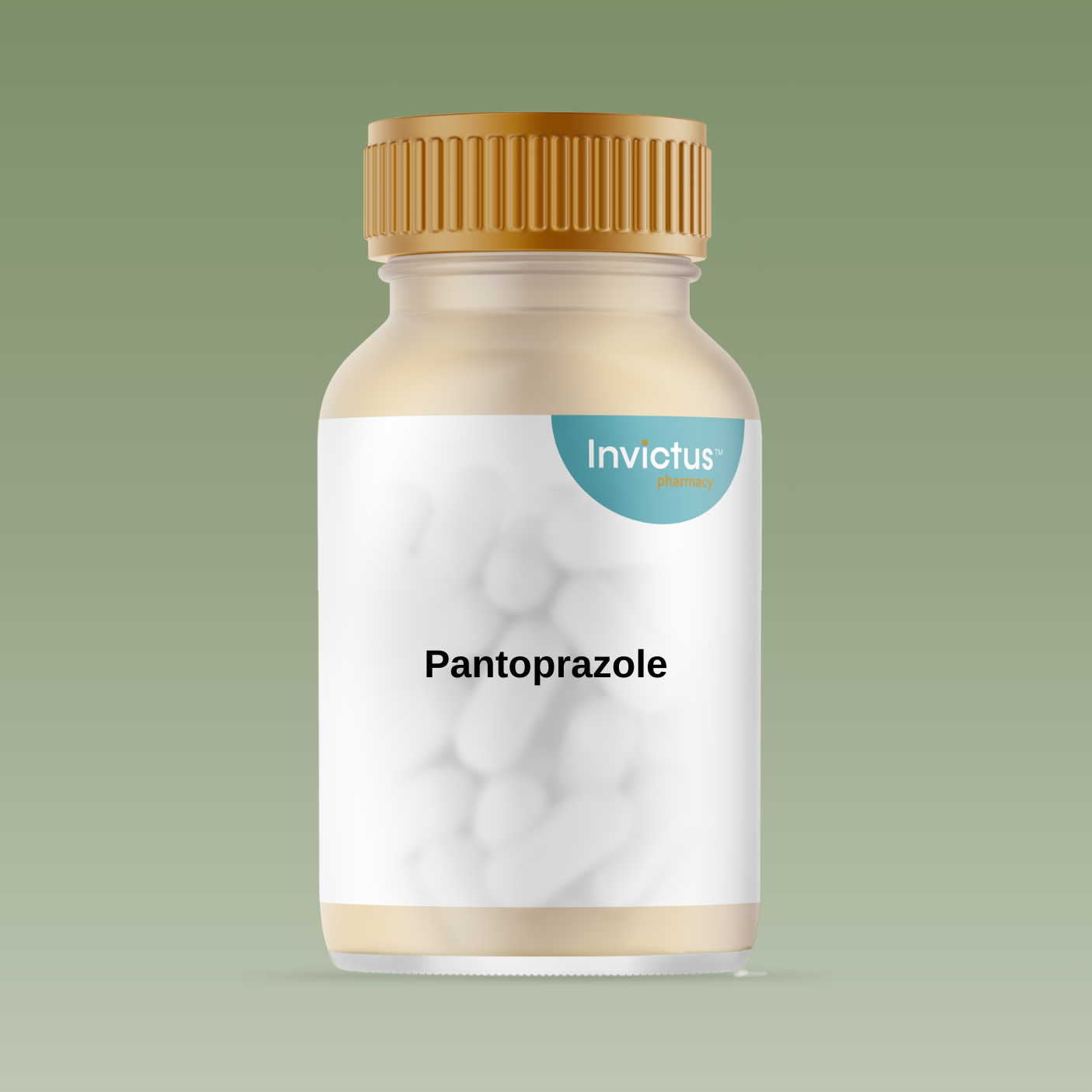
Pantoprazole (Generic Protonix): Uses, Dosage, Side Effects, and More
Reviewed by:


From:
$8.86
94% OFF
Prescription required
Pantoprazole Sodium is a prescription proton pump inhibitor used to treat acid-related conditions, such as gastroesophageal reflux disease (GERD), erosive esophagitis, and stomach ulcers. It works by blocking the enzyme in the stomach wall that produces acid, thereby reducing acid levels and allowing the esophagus and stomach to heal. Protonix is also used to treat Zollinger-Ellison syndrome, a rare condition involving excessive stomach acid production.
Your Prescription
Ready to Fill
Your savings with us
94%
Avg. price at other pharmacies
$158.01

Need Help?
Our pharmacists are available 24/7 to answer questions about your medication.
Drug Facts
Generic name
Pantoprazole Sodium
Brand names
Protonix
Drug type
Proton pump inhibitor (PPI)
Controlled substance
Not a controlled medication
Dosage forms
Delayed-release tablets, intravenous injection
Typical dosage
40 mg once daily for 8 weeks (GERD or erosive esophagitis); dosage and duration may vary based on condition and patient response
Basics
What Is Pantoprazole Sodium?
Pantoprazole sodium is the generic form of Protonix and contains the same active ingredient responsible for its therapeutic effects. Like Protonix, pantoprazole sodium is a proton pump inhibitor (PPI) that blocks proton pumps in the stomach lining—structures that play a key role in acid secretion.
By effectively suppressing excess acid production, pantoprazole sodium helps reduce reflux-related symptoms, promote esophageal healing, and manage chronic digestive conditions linked to acid overproduction.
It is commonly prescribed for both short-term treatment of erosive esophagitis and long-term management of conditions such as GERD, offering reliable symptom control when taken consistently and as prescribed.
Note: This medication’s generic and brand-name formulations are used interchangeably throughout this article.
What Is Protonix?
Protonix is a brand-name prescription medication used to treat conditions caused by excess stomach acid production. It belongs to a class of drugs known as proton pump inhibitors (PPIs), which reduce gastric acid production.
By lowering acid levels, Protonix helps relieve symptoms such as heartburn, chest discomfort, difficulty swallowing, and chronic cough that are commonly associated with acid reflux disorders.
Protonix is most often prescribed for gastroesophageal reflux disease (GERD) and other acid-related conditions that can lead to irritation or damage of the esophagus. In addition to symptom relief, Protonix supports the healing of inflamed or eroded esophageal tissue, helping prevent complications such as strictures or bleeding.
Indications
What Is Pantoprazole Used For?
Protonix is used to treat a variety of conditions related to excessive stomach acid production. While it is primarily intended for specific medical conditions, it also has off-label uses that broaden its applicability for treating other conditions.
Primary Indications
- Gastroesophageal Reflux Disease (GERD): Protonix is highly effective in treating GERD by reducing stomach acid, aiding in symptom relief, and tissue healing.
- Erosive Esophagitis: This condition, characterized by inflammation and damage to the esophagus, benefits from Protonix’s acid-reducing effects, thereby promoting healing.
- Zollinger-Ellison Syndrome: A rare disorder that causes tumors in the pancreas or upper small intestine. Protonix helps reduce excessive acid secretion related to this condition.
Off-Label Uses
- Peptic Ulcer Disease: Although not primarily indicated, Protonix is sometimes used to manage ulcers by decreasing acid production, thereby aiding ulcer healing.
- Helicobacter pylori eradication: Protonix is used as part of combination therapy to eliminate H. pylori infections, which is crucial in preventing ulcer recurrence.
Protonix should be used as prescribed by a healthcare professional, particularly for off-label indications, to ensure safety and efficacy.
Mechanism
How Does Pantoprazole Work?
Protonix works by significantly reducing acid production in the stomach, thereby addressing both the symptoms and the underlying causes of acid-related digestive disorders.
Excess stomach acid is a key driver of conditions such as gastroesophageal reflux disease (GERD) and erosive esophagitis, where acid exposure irritates and damages the lining of the esophagus and stomach.
By lowering acid levels, Protonix not only helps relieve symptoms like heartburn and chest discomfort but also creates an environment that allows irritated tissues to heal over time.
Mechanism of Action
Protonix exerts its effects by inhibiting the hydrogen–potassium ATPase enzyme system, commonly referred to as the proton pump, located in the parietal cells of the stomach lining. These proton pumps represent the final step in gastric acid production.
By blocking this pathway, Protonix effectively suppresses both basal and stimulated acid secretion, leading to a substantial and sustained reduction in stomach acid output. This targeted inhibition helps prevent acid from refluxing into the esophagus and reduces ongoing irritation of the gastrointestinal lining.
As a result, Protonix supports the healing of acid-related damage and lowers the risk of complications such as inflammation, ulceration, or bleeding when used consistently as prescribed.
Pharmacokinetics
After oral administration, pantoprazole is absorbed in the small intestine and typically reaches peak plasma concentrations within approximately 2 to 3 hours. The drug is metabolized in the liver, primarily via the cytochrome P450 enzyme system, and its inactive metabolites are primarily eliminated in the urine, with a smaller portion excreted in the feces.
Although pantoprazole has a relatively short plasma half-life, its effects on proton pumps are long-lasting, allowing for once-daily dosing in most patients. This sustained acid suppression provides consistent symptom control throughout the day and supports long-term management of acid-related gastrointestinal conditions.
Dosage
Pantoprazole Dosages and Administration
The administration of Protonix must be tailored to individual needs and guided by healthcare professionals to maximize therapeutic benefits while minimizing potential risks.
Dosage Recommendations
- Gastroesophageal Reflux Disease (GERD): The typical dosage is 40 mg taken orally once daily. This dosage effectively decreases acid production and alleviates GERD symptoms.
- Zollinger-Ellison Syndrome: Dosage varies considerably based on individual patient needs and the severity of acid hypersecretion. The patient’s response and condition progression guide the specific dosing requirements, often starting at higher doses than those used for GERD treatment.
Administration Guidelines
It is recommended to take Protonix once daily, preferably in the morning, to maintain regular acid suppression. The tablets should be swallowed whole with water and should not be split, crushed, or chewed, as this could release the drug too quickly and increase the risk of side effects.
While morning dosing is optimal, some patients may be advised to take it at night if their symptoms predominantly occur at bedtime or upon awakening. Consistency in the timing of daily dosing helps maintain stable drug levels in the body.
Adhering to prescribed dosages and administration guidelines is critical to successful treatment, ensuring both efficacy and safety.
Get The Right Dose For Less
Why pay retail prices for the same medication?
At Invictus, we source directly from trusted, FDA-approved manufacturers to keep your costs low without sacrificing quality. Whether you need a one-time fill or regular refills, our transparent pricing makes it easy to save every day.
Side Effects
Pantoprazole Side Effects and Risks
While Protonix is generally well tolerated, some patients may experience side effects ranging from mild and temporary to more serious reactions. Understanding these potential effects helps patients and healthcare providers weigh the benefits of treatment against possible risks and respond appropriately if symptoms arise.
Common Side Effects
- Diarrhea: Diarrhea is one of the more frequently reported side effects and may result from changes in stomach acid levels that affect normal digestion or gut flora.
- Headache: Some patients experience mild to moderate headaches, particularly during the early stages of treatment or following dose adjustments.
- Dizziness: A transient sense of lightheadedness or dizziness may occur, especially when starting Protonix, and typically improves as the body adjusts.
- Nausea: Mild nausea can occur after initiating Protonix therapy, but it is usually temporary and resolves without additional treatment.
Serious Side Effects
- Severe Stomach Pain: May indicate complications such as gastric bleeding or ulcer progression, necessitating immediate medical attention.
- Persistent Diarrhea: Could be a sign of a more serious intestinal condition or Clostridium difficile infection.
- Vitamin B-12 Deficiency: Long-term use may impair absorption, leading to a deficiency that requires monitoring and, if indicated, supplementation.
Assessing the severity and frequency of side effects helps guide appropriate medical interventions and therapy adjustments, ensuring the safe use of Protonix.
Interactions
Pantoprazole Interactions
Interactions with other medications can influence Protonix’s efficacy and safety profile. Understanding these interactions helps prevent adverse effects and enhances therapeutic outcomes.
Primary Drug Interactions
- Warfarin: Use of Protonix with warfarin could potentially increase the risk of bleeding, thus requiring close monitoring of prothrombin time when these drugs are co-administered.
- Methotrexate: When used with Protonix, methotrexate toxicity could increase due to accumulated levels, necessitating careful dose management.
- Clopidogrel: Protonix may reduce the effectiveness of clopidogrel, an antiplatelet drug, potentially compromising its protective effects against cardiovascular events.
Other Considerations
- Antacids like Tums: These can generally be combined with Protonix, but it is advisable to use them under medical guidance to avoid potential interference with Protonix absorption.
- Herbal Supplements and OTC Drugs: Patients should inform their healthcare provider of all products and supplements they are using to avoid unintentional interactions.
Being aware of drug interactions ensures the effective and safe use of Protonix, reducing the likelihood of adverse reactions while maintaining therapeutic efficacy.
Contraindications
Pantoprazole Contraindications
While Protonix is effective in managing acid-related conditions, there are specific scenarios in which its use is contraindicated or requires careful consideration.
Absolute Contraindications
- Known Hypersensitivity: Patients with a documented hypersensitivity to pantoprazole or any components of Protonix should avoid its use. Allergic reactions to the drug can lead to serious adverse outcomes, including anaphylaxis.
Warnings and Precautions
- Use in Pregnancy: The safety of Protonix during pregnancy has not been fully established, necessitating a thorough risk-benefit analysis with a healthcare provider before use in pregnant individuals.
- Long-term Use: There is an increased risk of gastric tumors and other complications with prolonged usage, so long-term users should be regularly monitored by their healthcare provider.
Understanding these contraindications and precautions helps ensure Protonix is used safely and appropriately aligned with the patient’s health needs and conditions.
Ready to Start Saving?
No one should overpay for safe, effective medication. By cutting out middlemen and working directly with trusted, FDA-approved manufacturers, Invictus offers the same high-quality medicines you’d find at big retail pharmacies—at a fraction of the price.
Whether you choose brand-name or generic, we’ll deliver it quickly, affordably, and right to your door. Maybe that’s why most patients who switch to Invictus never look back.
Frequently Asked Questions (FAQs)
Didn’t see the answers you’re looking for in this article? Check out this comprehensive FAQ for more details.
Administration & Dosage
Protonix should be taken as prescribed by your healthcare provider. Typically, it is taken once daily, preferably in the morning, with or without food. Swallow the tablet whole with water, avoiding crushing, chewing, or splitting to maintain its effectiveness.
The best time to take Protonix is predominantly in the morning. Consistency in the timing helps maintain stable levels of medication in your body, optimizing its ability to control stomach acid production effectively throughout the day.
Although usually taken in the morning, Protonix can be taken at night if your doctor advises based on your particular condition and symptoms. This flexibility is sometimes necessary for conditions requiring extensive acid control.
It is not advisable to crush Protonix tablets, as this can alter the medication's release mechanism and impact its effectiveness. Discuss alternative options with your healthcare provider if you have trouble swallowing the tablets.
Protonix is generally taken once daily. However, your healthcare provider might adjust the dosage based on your specific medical condition. Always follow their guidance on the appropriate dosing frequency for optimal efficacy and safety.
Before combining Protonix with other medications like Tums, consult your healthcare provider to prevent potential interactions. Antacids, including Tums, may be used with Protonix as directed by a professional to aid symptom relief.
Uses & Mechanism of Action
Protonix is used to treat specific stomach and esophageal issues, such as acid reflux, by reducing stomach acid production. It helps alleviate symptoms like heartburn, swallowing difficulties, and persistent coughing related to acid-related conditions.
Protonix functions by inhibiting proton pumps in the stomach lining, reducing acid production. This action fosters healing of ulcers and esophageal damage caused by excessive stomach acid, allowing symptoms to be managed effectively.
Protonix is classified as a proton pump inhibitor (PPI). It works by reducing stomach acid production, which helps treat stomach ulcers and acid-related esophageal conditions, providing symptomatic relief.
Protonix begins its action within a few hours of ingestion, but complete symptom relief may take several days. The drug's effects can persist for up to 24 hours, offering extended management of stomach acid.
Protonix contains pantoprazole, an active ingredient that functions as a proton pump inhibitor. This component decreases stomach acid production, playing a crucial role in managing acid-related digestive conditions.
Pantoprazole sodium is the generic formulation of Protonix. It contains the same active ingredient and serves similar purposes in treating conditions like acid reflux, offering an alternative to the brand-name drug.
Side Effects & Safety
Common side effects include headache, diarrhea, nausea, stomach pain, gas, dizziness, and joint pain. These symptoms can vary in intensity; if they persist or worsen, consulting a healthcare provider is advisable.
Protonix can indeed lead to gastrointestinal issues such as constipation or diarrhea. If these conditions become bothersome or persist, seeking advice from your healthcare provider for potential management strategies is recommended.
Weight gain is not typically associated with Protonix. However, any noticeable weight changes should be communicated to your healthcare provider to assess the cause and provide appropriate guidance.
The safety of Protonix during pregnancy hasn't been completely established. Usage should be thoroughly discussed with a doctor, weighing potential benefits against risks to the mother and unborn child.
Dry mouth, although less common, can occur with Protonix usage. If this symptom becomes troublesome, it's advisable to consult your healthcare provider for possible solutions to maintain comfort.
Interactions & Contraindications
Although some patients may take Protonix and Pepcid concurrently under medical guidance for greater acid suppression, it's essential that this is monitored by a healthcare provider to manage possible drug interactions.
Protonix may interact with certain drugs like atazanavir, nelfinavir, or warfarin. Always keep your healthcare provider informed of all the medications you are taking to avoid harmful interactions and ensure safe usage.
It is generally advised to avoid alcohol when on Protonix, as alcohol can irritate the stomach lining and potentially diminish the medication's effectiveness in controlling stomach acid production.
A doctor might prescribe both medications if additional acid suppression is necessary to manage severe symptoms. This should always be done under close medical supervision to navigate potential interactions effectively.
Abruptly stopping Protonix without medical guidance can lead to a return of symptoms. To ensure safe discontinuation of the medication, it's important to follow a healthcare provider's advice for tapering down the dosage.
Generic & Alternatives
Pantoprazole sodium is the generic equivalent of Protonix, providing the same active ingredient and similar therapeutic effects. It is often prescribed as a cost-effective alternative to the brand-name medication.
Protonix (pantoprazole) and omeprazole are both PPIs treating similar conditions, but they are distinct drugs. Interchanging them should only be done under healthcare professional guidance to ensure effective treatment.
Pantoprazole is the active ingredient in Protonix, meaning they are equivalent in terms of active components. The efficacy and treatment guidelines for both the brand and generic are the same.
Protonix is not available over-the-counter and requires a prescription from a healthcare provider. This ensures it is used safely and appropriately for specific medical conditions.
While Protonix is generally safe when prescribed, it can pose risks like any medication. Being aware of side effects and adhering to medical advice helps mitigate these potential risks effectively.
Omeprazole can be an alternative PPI, but only a healthcare provider should decide on its suitability based on your medical history and specific condition requirements, ensuring optimal treatment outcomes.
Disclaimer
The information provided on this page is for general informational purposes only and is not intended as medical advice. Always consult with a licensed healthcare provider before starting, stopping, or changing any medication regimen. While Invictus strives to provide accurate and up-to-date information, individual health conditions and circumstances vary. The prices, availability, and descriptions of all medications on this page are subject to change.
Your Prescription
Ready to Fill
Your savings with us
94%
Avg. price at other pharmacies
$158.01
Need Help?
Our pharmacists are available 24/7 to answer questions about your medication.