

From:
$10.07
40.24% OFF
Prescription required
Promethazine (Generic Phenergan): Uses, Dosage, Side Effects, Warnings and Safety Guide
Reviewed by:


From:
$10.07
40.24% OFF
Prescription required
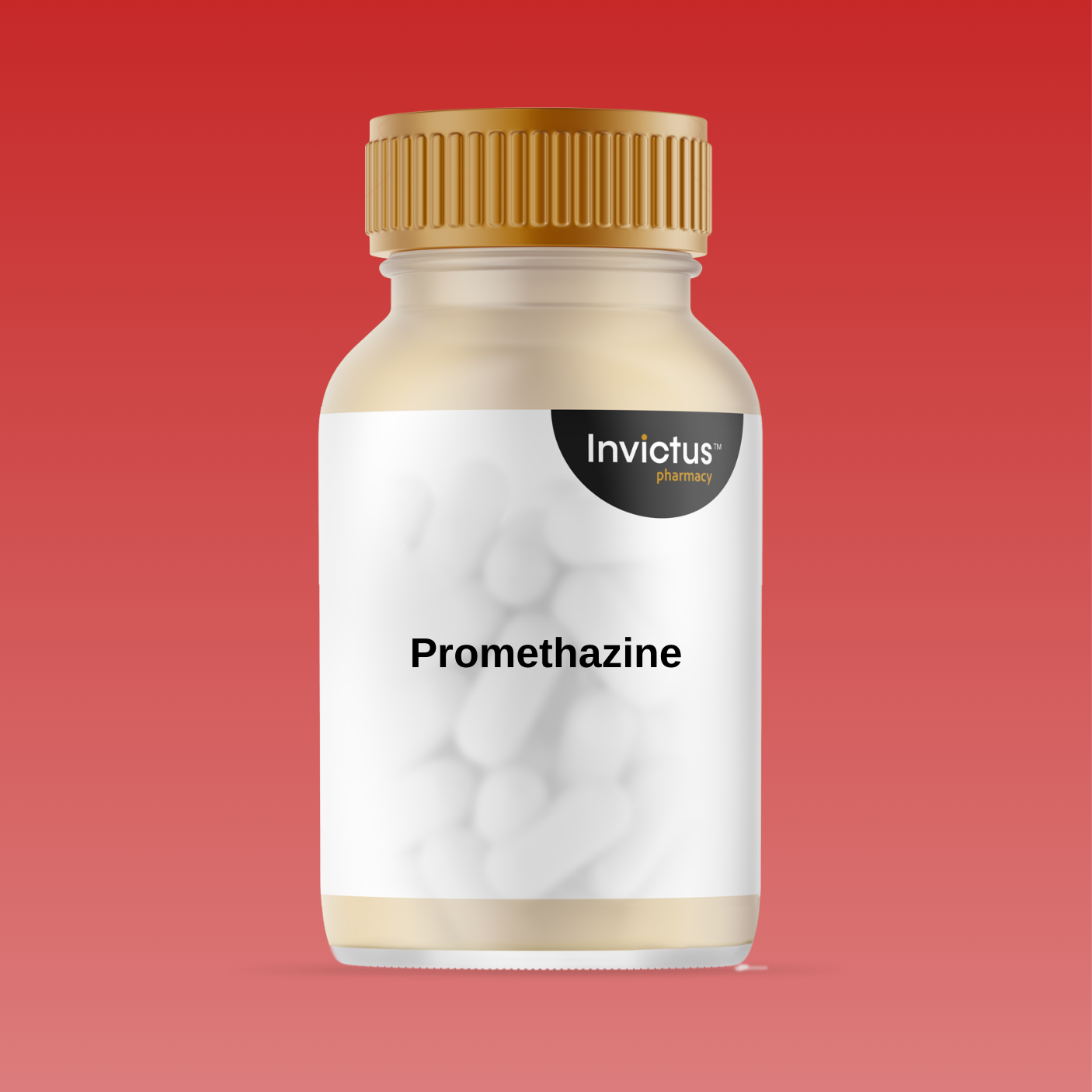
Promethazine is a prescription antihistamine used to treat allergy symptoms, nausea and vomiting, motion sickness, and sleep problems. It works by blocking histamine and dopamine receptors in the body, which helps reduce allergic reactions, calm nausea, and produce mild sedation. Phenergan may also be used before or after surgery to prevent motion sickness or to enhance the effects of pain or sleep medications.
Your Prescription
Ready to Fill
Your savings with us
40.24%
Avg. price at other pharmacies
$16.25

Need Help?
Our pharmacists are available 24/7 to answer questions about your medication.
Drug Facts
Generic name
Promethazine Hydrochloride
Brand names
Phenergan, Phenadoz, Promethegan
Drug type
Antihistamine / Antiemetic / Sedative
Controlled substance
Not a controlled medication
Dosage forms
Tablets, suppositories, syrup, injection
Typical dosage
Dosing is typically 12.5–25 mg taken by mouth every 4–6 hours as needed for nausea or allergic symptoms. For sleep or motion sickness prevention, a common dose is 25 mg taken at bedtime. Dosage may vary based on the condition being treated and individual patient response.
Basics
What Is Promethazine?
Promethazine, the active ingredient in Phenergan, is a first-generation antihistamine. Beyond its antihistamine effects, promethazine has anticholinergic, antiemetic, and sedative properties, which optimize its utility in various medical contexts.
As a generic drug, it is available under several brand names besides Phenergan and is available in multiple dosage forms, including tablets, syrups, and injectables, thereby offering flexibility in its use.
Its antihistamine properties are particularly effective for treating allergic rhinitis, while its sedative properties are useful for treating anxiety or facilitating sleep.
Benefits of Promethazine (Phenergan):
- Relieves allergy symptoms like itching and a runny nose
- Prevents and treats nausea and vomiting
- Reduces motion sickness during travel
- Provides short-term relief for insomnia
- Enhances comfort before and after surgery
Note: This medication’s generic and brand-name formulations are used interchangeably throughout this article.
What Is Phenergan?
Phenergan is a well-known brand name for the generic drug promethazine. It is widely used for its antihistamine properties, which allow it to effectively manage conditions such as allergies, nausea, and vomiting, and for its sedative effects. As an antihistamine, it works by blocking the action of histamine, a substance in the body that causes allergic symptoms.
Additionally, Phenergan has antiemetic properties, making it useful for preventing nausea and vomiting, often associated with motion sickness. It can also be used as a sedative in different medical scenarios.
Understanding Phenergan’s uses, mechanisms of action, dosages, side effects, interactions, and contraindications is fundamental to safe and effective use.
Indications
What Is Promethazine Used For?
Phenergan is primarily indicated for several common medical conditions due to its versatile anticonvulsant and antihistamine effects. Its primary indications cover a range of allergic reactions, antiemetic needs, and sedative requirements.
Primary Indications
- Allergies: Phenergan is effective for relieving various allergy symptoms, including itching, runny nose, sneezing, and hives. These symptoms are often associated with allergic rhinitis or other forms of allergic reactions.
- Nausea and Vomiting: This medication is widely used to control nausea and vomiting, particularly those associated with motion sickness or postoperative conditions.
- Sedation: Phenergan can serve as a sedative to alleviate anxiety or to aid in sleep induction for patients dealing with insomnia.
Off-Label Uses
- Cough: Although not its primary indication, Phenergan can alleviate cough symptoms, particularly when combined with codeine or other cough medications.
- Preoperative Sedation: It is sometimes used before surgical procedures to help with sedative effects and reduce anxiety.
Mechanism
How Does Promethazine Work?
The efficacy of Phenergan in treating various conditions is attributed to its pharmacological properties and its actions at multiple receptors in the body.
Mechanism of Action
Promethazine, the active ingredient in Phenergan, primarily blocks the H1 receptor, to which histamine binds during allergic reactions. By preventing this binding, Phenergan reduces the typical allergy symptoms.
Additionally, by blocking receptors in other brain regions, it modulates the activity of neurotransmitters that mediate nausea, vomiting, and sedation. Its anticholinergic properties also contribute to its efficacy in reducing nausea and vomiting.
Pharmacokinetics
Phenergan is efficiently absorbed through the gastrointestinal tract. Once ingested, it undergoes hepatic metabolism, which facilitates its therapeutic effect within about 20 minutes of administration.
Phenergan reaches peak plasma concentrations 1 to 2 hours after administration, and its effects persist for about 4 to 6 hours. Due to its hepatic metabolism and elimination, any liver impairment can affect the effectiveness and duration of its therapeutic action.
Dosage
Promethazine Dosages and Administration
Phenergan’s dosage and administration vary significantly depending upon the condition being treated, patient age, and the preferred route of administration. It is crucial to adhere strictly to prescribed dosages to avoid potential side effects or overdose.
Dosage Recommendations
- Allergies: A typical recommendation is 25 mg taken orally at bedtime. This dosage may vary based on the specific symptoms and patient needs.
- Nausea and Vomiting: For the management of nausea and vomiting, a common dose is 12.5-25 mg every 4-6 hours as needed.
- Sedation: When used as a sedative, 25-50 mg may be administered at bedtime to induce sleep or promote calm.
Administration Guidelines
Phenergan is available in various forms, including oral tablets and syrup, rectal suppositories, and injectables. Oral forms should be taken with food or water to minimize gastric irritation.
When oral administration is impractical, suppositories are used.
The proper administration method depends on the medical condition, age, and patient preference, ensuring flexibility in delivering appropriate treatment.
Get The Right Dose For Less
Why pay retail prices for the same medication?
At Invictus, we source directly from trusted, FDA-approved manufacturers to keep your costs low without sacrificing quality. Whether you need a one-time fill or regular refills, our transparent pricing makes it easy to save every day.
Side Effects
Promethazine Side Effects and Risks
While Phenergan is effective in treating various conditions, it may cause side effects. It’s essential for patients to be aware of these to monitor their health effectively and know when to seek medical assistance.
Common Side Effects
- Drowsiness: A very common effect caused by Phenergan’s sedative properties, which may impair alertness and concentration, especially when starting treatment.
- Dizziness: Some patients may experience lightheadedness or unsteadiness, particularly when standing up quickly or changing position.
- Dry mouth: Reduced saliva production can lead to dry mouth, thirst, and difficulty swallowing, and may require increased fluid intake or oral care.
- Blurred vision: Temporary changes in vision may occur due to anticholinergic effects and usually resolve as the medication wears off.
- Constipation: Slowed gastrointestinal motility due to anticholinergic activity may lead to constipation, especially with prolonged use.
Serious Side Effects
- Severe confusion: Marked disorientation, agitation, or mental status changes may occur and require immediate medical evaluation.
- Difficulty breathing: Slowed or labored breathing can indicate respiratory depression and demands urgent medical attention.
- Seizures: Although rare, seizures are a serious adverse reaction that requires emergency medical care.
- Abnormal heartbeat: Irregular heart rhythms or palpitations should be promptly assessed by a healthcare provider.
- Jaundice: Yellowing of the skin or eyes may signal liver dysfunction and requires immediate medical investigation.
Interactions
Promethazine Interactions
Drug interactions can influence Phenergan’s efficacy or increase the risk of side effects. Understanding these interactions is crucial for optimizing treatment safety.
Primary Drug Interactions
- Central Nervous System Depressants: Combining Phenergan with alcohol, sedatives, or sleeping pills can enhance sedative effects, potentially leading to significant drowsiness and impaired cognition.
- Anticholinergic drugs: Using Phenergan alongside other anticholinergic medications may intensify side effects such as dry mouth, constipation, and blurred vision.
- Monoamine oxidase inhibitors (MAOIs): These medications can amplify Phenergan’s effects, increasing the risk of severe sedation and other adverse reactions.
Other Considerations
- Operating machinery: Because Phenergan can cause sedation and slowed reaction time, patients should avoid driving or operating heavy machinery until they know how the medication affects them.
- Additive antihistamine effects: Taking Phenergan with other antihistamines or antiemetics may enhance sedation and increase the likelihood of side effects.
Contraindications
Promethazine Contraindications
Using Phenergan is contraindicated in certain medical contexts due to potential health risks, and specific guidance should be followed for safe usage.
Absolute Contraindications
- Hypersensitivity to promethazine or phenothiazines: Patients with known allergies to these substances should avoid Phenergan due to the risk of serious allergic reactions.
- Comatose states: Phenergan should not be used in patients with severe central nervous system depression, as it may worsen sedation.
- Children under two years: Phenergan is contraindicated in young children because of the risk of severe respiratory depression.
Warnings and Precautions
- Pregnancy and breastfeeding: Phenergan should be used only when clearly necessary, as it may affect fetal development and is excreted in breast milk.
- Liver impairments: Patients with liver disease may require dose adjustments and regular monitoring due to altered drug metabolism.
- Elderly patients: Older adults are more sensitive to anticholinergic and sedative effects, increasing the risk of confusion, falls, and other complications.
Ready to Start Saving?
No one should overpay for safe, effective medication. By cutting out middlemen and working directly with trusted, FDA-approved manufacturers, Invictus offers the same high-quality medicines you’d find at big retail pharmacies—at a fraction of the price.
Whether you choose brand-name or generic, we’ll deliver it quickly, affordably, and right to your door. Maybe that’s why most patients who switch to Invictus never look back.
Frequently Asked Questions (FAQs)
Didn’t see the answers you’re looking for in this article? Check out this comprehensive FAQ for more details.
Administration & Dosage
Phenergan is available in various forms, including tablets, syrup, rectal suppositories, and injectable solutions. The choice of administration depends on the condition being treated, symptom severity, and patient preference. Proper administration ensures effective treatment.
For adults, the standard dose is 25 mg taken orally or rectally every 4 to 6 hours as needed. It's crucial to follow your healthcare provider's dosing guidelines to prevent adverse effects and ensure safety.
Phenergan is typically taken every 4 to 6 hours as needed, depending on symptom severity. It is vital not to exceed the dosage recommended by your doctor to avoid potential side effects and complications.
Phenergan usually starts to take effect within 20 minutes when taken orally. When administered as an injection, it may work slightly faster. This rapid onset can provide timely relief from symptoms such as nausea and allergies.
The effects of Phenergan generally last between 4 and 6 hours. However, the drug can remain in your system longer. Factors such as individual metabolism and dosage affect the duration of Phenergan's activity.
Uses & Mechanism of Action
Phenergan is used to manage allergy symptoms, prevent nausea and vomiting, address motion sickness, and provide sedation. Its versatility makes it a valuable treatment option for various conditions requiring antihistamine or antiemetic properties.
Phenergan blocks histamine receptors and acts on the brain to control nausea and vomiting. Its sedative effects result from its impact on brain chemicals, which help in managing motion sickness and allergy symptoms effectively.
Phenergan is indeed a brand name for the generic drug promethazine. They share the same active ingredient and are equally effective for treating conditions such as allergies, nausea, and vomiting.
Phenergan is effective in managing nausea and vomiting. Its antiemetic properties make it a preferred choice for treating nausea related to motion sickness, surgery, or other medical conditions.
Phenergan is not classified as a controlled substance. Nonetheless, it is available by prescription only due to its potent effects and potential side effects, emphasizing the importance of medical supervision.
While not primarily for cough, Phenergan's sedative effects can help alleviate symptoms by allowing the patient to sleep. Its use for cough should be under a healthcare provider's supervision.
Side Effects & Safety
Drowsiness is a common side effect of Phenergan due to its sedative properties. Patients should avoid activities requiring full alertness, such as driving, until they understand how Phenergan affects them.
Constipation is a possible side effect of Phenergan. Maintaining good hydration and discussing with your healthcare provider can help manage this and other side effects.
The safety of Phenergan during pregnancy requires careful consideration and should be discussed with a healthcare provider. Its use might be restricted based on the pregnancy stage and other health factors.
Phenergan can pass into breast milk and may affect a nursing infant. It's important to consult with a healthcare professional before using Phenergan while breastfeeding to evaluate the risks and benefits.
Phenergan is not considered addictive. However, its sedative effect can be misused for its calming properties, underlining the importance of following the prescribed dosage and guidance from a healthcare provider.
Interactions & Contraindications
Combining Zofran and Phenergan is usually not recommended unless a healthcare provider directs it. This is due to the heightened risk of side effects, though specific patient circumstances may influence this recommendation.
Consulting a healthcare provider is crucial before using Phenergan during pregnancy, as the risks and benefits need thorough evaluation based on the individual's health status and pregnancy stage.
Phenergan should not be taken with alcohol, as this can amplify drowsiness and potentially dangerous side effects. Patients are advised to avoid alcohol consumption during Phenergan treatment.
There are no direct contraindications to taking Phenergan and Mucinex together, but it's advisable to consult a healthcare provider. Individual conditions and medication interactions should be reviewed.
Tylenol can be taken with Phenergan, but patients should adhere to dosing instructions. Any concerns about combined use should be discussed with a healthcare provider to ensure safety and efficacy.
Generic & Alternatives
Promethazine is the generic form of the brand Phenergan. Both contain the same active ingredient and are used interchangeably to treat conditions such as allergies, nausea, and vomiting.
Phenergan requires a prescription and is not available over the counter. A healthcare provider must evaluate the need for this medication and provide the appropriate prescription.
Phenergan (promethazine) and Zofran (ondansetron) are both antiemetics but have different active ingredients and mechanisms of action. They are chosen based on specific patient needs and symptoms.
Promethazine DM combines promethazine with dextromethorphan for treating cough and nausea, unlike Phenergan, which does not contain a cough suppressant. They cater to different treatment purposes.
Promethazine DM and Robitussin DM both contain dextromethorphan but have different added ingredients. Promethazine DM includes promethazine, whereas Robitussin DM may contain guaifenesin for additional cough treatment. Always ensure that any cough treatment aligns with individual healthcare advice.
Disclaimer
The information provided on this page is for general informational purposes only and is not intended as medical advice. Always consult with a licensed healthcare provider before starting, stopping, or changing any medication regimen. While Invictus strives to provide accurate and up-to-date information, individual health conditions and circumstances vary. The prices, availability, and descriptions of all medications on this page are subject to change.
Your Prescription
Ready to Fill
Your savings with us
40.24%
Avg. price at other pharmacies
$16.25
Need Help?
Our pharmacists are available 24/7 to answer questions about your medication.