

From:
$8.36
93% OFF
Prescription required
Quetiapine (Generic Seroquel): Uses, Dosage, Side Effects, and More
Reviewed by:


From:
$8.36
93% OFF
Prescription required
Quetiapine Fumarate is a prescription atypical antipsychotic used to treat schizophrenia, bipolar disorder, and major depressive disorder as an add-on therapy. It helps restore the balance of certain neurotransmitters in the brain, particularly dopamine and serotonin, which improve mood, thinking, and behavior
Your Prescription
Ready to Fill
Your savings with us
93%
Avg. price at other pharmacies
$53.4

Need Help?
Our pharmacists are available 24/7 to answer questions about your medication.
Drug Facts
Generic name
Quetiapine Fumarate
Brand names
Seroquel, Seroquel XR
Drug type
Atypical antipsychotic
Controlled substance
Not a controlled medication
Dosage forms
Immediate-release tablets, extended-release tablets
Typical dosage
For schizophrenia, dosing is typically 400–800 mg daily. In bipolar disorder, doses commonly range from 100 to 800 mg daily. In depression, when used as adjunctive therapy, typical dosing is 150–300 mg daily.
Basics
What Is Quetiapine Fumarate?
Quetiapine fumarate is the active component in Seroquel. This atypical antipsychotic is distinguished from other antipsychotic agents due to its unique receptor activity. Quetiapine fumarate primarily engages serotonin (5-HT2) and dopamine (D2) receptors in the brain, contributing to its effectiveness in treating mood disorders.
Unlike typical antipsychotics, quetiapine has a lower tendency to cause extrapyramidal side effects, which involve motor control issues. This makes it a preferred option for individuals who may be sensitive to such side effects.
Additionally, quetiapine’s pharmacological profile allows it to be used across a range of dosages, enabling individualized treatment based on patient needs and responses.
⚠️ Black Box Warning:
Quetiapine carries an FDA Black Box Warning for increased risk of death in elderly patients with dementia-related psychosis and suicidal thoughts and behaviors in children, adolescents, and young adults. It should not be used for dementia-related psychosis and requires close monitoring for mood or behavior changes.
Note: This medication’s generic and brand-name formulations are used interchangeably throughout this article.
What Is Seroquel?
Seroquel, the brand name for quetiapine fumarate, is a prescription medication categorized as an atypical antipsychotic. It modulates neurotransmitter activity in the brain, with a specific effect on serotonin and dopamine receptors. These neurotransmitters are crucial in influencing mood, behavior, and cognitive functions.
Seroquel can assist in enhancing mood balance, reducing erratic behavior, and improving cognitive performance in individuals dealing with various mental health conditions. The medication is often chosen to manage complex psychiatric disorders, providing patients with a way to stabilize their mental health and improve their quality of life.
Indications
What Is Quetiapine Used For?
Seroquel serves multiple purposes, primarily addressing psychiatric conditions by stabilizing mood and behavior. Its therapeutic benefits extend to various mental health conditions, as well as some off-label uses, providing a broad spectrum of potential treatments.
Primary Indications
- Schizophrenia: Seroquel plays a vital role in managing symptoms such as hallucinations, delusions, and cognitive disruptions. It helps patients achieve mental stability by alleviating these distressing symptoms.
- Bipolar Disorder: It is employed effectively during both manic and depressive episodes, helping to smooth out the extreme mood swings characteristic of this disorder.
- Major Depressive Disorder (MDD): Used as an adjunct treatment for MDD, Seroquel is often added to standard antidepressant regimens to enhance therapeutic outcomes in patients unresponsive to initial treatment options.
Off-Label Uses
- Anxiety Disorders: Seroquel may be used to address symptoms of anxiety, although this is not its primary indication. Its calming effects can provide relief for patients who have not responded to primary anxiety treatments.
- Insomnia: Thanks to its sedative properties, Seroquel can be effective in managing insomnia, particularly in patients whose sleep disorders are associated with mental health conditions.
These uses illustrate Seroquel’s versatility in treating a diverse range of psychological conditions, offering patients a chance to improve their mental health with appropriately managed care under a healthcare professional’s supervision.
Mechanism
How Does Quetiapine Work?
Seroquel’s effectiveness stems from its ability to modulate neurotransmitter activity in the brain, specifically targeting serotonin and dopamine receptors. Understanding its mechanism of action and pharmacokinetics is crucial for appreciating how it affects mental health.
Mechanism of Action
Seroquel acts by antagonizing various neurotransmitter receptors, notably those for serotonin (5-HT2) and dopamine (D2). By blocking these receptors, Seroquel reduces overactivity in neural pathways implicated in psychiatric symptoms.
This helps in stabilizing mood, reducing psychotic features, and improving cognitive clarity. Additionally, quetiapine has lower affinity for alpha-adrenergic and histaminergic receptors, which contribute to its sedative effects and may benefit individuals with sleep disturbances.
Pharmacokinetics
The pharmacokinetic profile of Seroquel includes several important aspects regarding its absorption, metabolism, and elimination:
- Absorption: Quetiapine is rapidly absorbed after oral administration, reaching peak plasma concentrations in approximately 1.5 hours. This rapid absorption is key to its effectiveness in managing acute psychiatric symptoms.
- Metabolism: The liver is the primary site for quetiapine metabolism, involving the cytochrome P450 system, particularly CYP3A4. This process results in the formation of inactive metabolites.
- Half-life: The elimination half-life of Seroquel is approximately 6 hours, which influences the dosing schedule, often necessitating multiple doses per day to maintain stable therapeutic plasma concentrations.
Dosage
Quetiapine Dosages and Administration
Proper dosing and administration of Seroquel are critical to achieving therapeutic success while minimizing side effects. The key is personalized dosing adjusted to the specific condition being treated and the patient’s individual needs.
Dosage Recommendations
- Schizophrenia: Treatment often begins with a low dose, typically 25 mg twice a day, to gauge tolerance and response. The dose can be adjusted based on clinical response and tolerance, with a typical therapeutic range of 150-800 mg daily.
- Bipolar Disorder: The initial dosing for acute manic episodes may start at 100 mg per day, with gradual increases as required based on patient response. Similarly, maintenance doses can vary widely.
- Dosing Adjustments: It is essential for healthcare professionals to adjust the dose depending on patient response and the presence of any side effects. The typical maximum recommended dose does not generally exceed 800 mg daily.
Administration Guidelines
Seroquel’s administration requires adherence to specific guidelines for maximum efficacy:
- Food Considerations: Patients can take Seroquel with or without food; taking it with food may reduce the risk of gastrointestinal side effects.
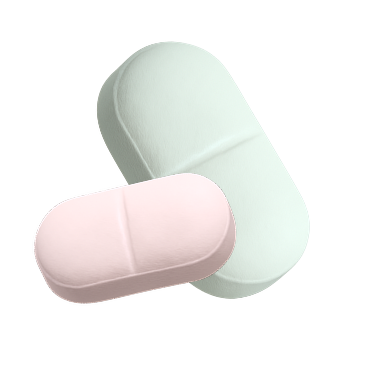
- Tablet Handling: The tablets must be swallowed whole to maintain their extended-release properties. Crushing or chewing the tablets can alter their absorption rate and potentially affect the medication’s effectiveness.
Consistent dosing schedules should be maintained, and any changes to the dosing regimen should be conducted under medical supervision to ensure effectiveness and safety.
Get The Right Dose For Less
Why pay retail prices for the same medication?
At Invictus, we source directly from trusted, FDA-approved manufacturers to keep your costs low without sacrificing quality. Whether you need a one-time fill or regular refills, our transparent pricing makes it easy to save every day.
Side Effects
Quetiapine Side Effects and Risks
Like all medications, Seroquel carries a risk of side effects, ranging from common mild symptoms to more serious, less frequent adverse events. Understanding these potential reactions can facilitate early recognition and management.
Common Side Effects
- Drowsiness: Sedation is a common side effect of Seroquel’s antihistaminic activity, often used for insomnia.
- Dizziness: This can occur, particularly when standing up suddenly, due to its blood pressure-lowering effects.
- Weight Gain: Seroquel is associated with weight gain, particularly with long-term use.
- Constipation: A commonly reported effect, which may necessitate dietary adjustments or additional treatments.
Serious Side Effects
- Increased Mortality in Dementia Patients: Seroquel is not recommended for elderly individuals with dementia-related psychosis due to a heightened risk of mortality.
- Neuroleptic Malignant Syndrome (NMS): A potentially life-threatening condition that requires immediate medical attention, characterized by muscle rigidity, fever, and autonomic dysfunction.
- Tardive Dyskinesia: Involuntary, repetitive body movements that can become irreversible.
- Severe Mood or Behavior Changes: Including worsening depression, suicidal thoughts, or unusual behavior changes, which mandate prompt consultation with a healthcare provider.
Being informed about these side effects enables vigilant monitoring and timely intervention, thereby optimizing patient safety during Seroquel treatment.
Monitoring and Safety Considerations:
- Metabolic Risks: Regular checks for weight, blood sugar, and cholesterol due to the risk of metabolic syndrome.
- Cardiac Monitoring: ECG may be required for patients with heart disease or those on QT-prolonging drugs.
- Eye Exams: Long-term use may increase the risk of cataract; periodic eye examinations are recommended.
- Mood Monitoring: Watch for worsening depression or suicidal thoughts, especially during dose changes.
Interactions
Quetiapine Interactions
Understanding potential drug interactions with Seroquel is crucial for preventing adverse effects and ensuring that medication regimens achieve their intended therapeutic outcomes.
- CYP3A4 Inhibitors (e.g., ketoconazole, erythromycin): Can increase quetiapine levels, raising the risk of toxicity.
- CYP3A4 Inducers (e.g., carbamazepine, phenytoin): Can lower quetiapine levels, reducing effectiveness.
- Alcohol & CNS Depressants: Increase sedation and risk of respiratory depression.
- QT-Prolonging Drugs: Combining with certain antibiotics or antiarrhythmics may increase the risk of arrhythmia.
Primary Drug Interactions
- Central Nervous System Depressants: Combining Seroquel with drugs like alcohol or benzodiazepines can amplify sedative effects, enhancing the risk of CNS depression.
- Medications Affecting Liver Enzymes: Certain antifungals (e.g., ketoconazole) and antibiotics (e.g., erythromycin) can alter Seroquel metabolism by affecting liver enzymes, particularly CYP3A4, requiring careful monitoring and possible dose adjustments.
Other Considerations
- Blood Pressure Monitoring: Seroquel can cause orthostatic hypotension. As such, patients should have their blood pressure monitored regularly, particularly when initiating treatment or adjusting doses.
- Electrolyte Levels: When Seroquel is used with medications that affect electrolyte levels, such as diuretics, careful monitoring is required to prevent complications, such as arrhythmias.
With these interactions in mind, patients should provide their healthcare provider with a comprehensive list of medications they are taking to maximize safety and efficacy.
Contraindications
Quetiapine Contraindications
Seroquel should not be used in certain conditions that pose significant risks, and caution is advised in specific circumstances to ensure patient safety.
Absolute Contraindications
- Hypersensitivity: Individuals with a known allergy to quetiapine fumarate or any of the preparation’s components should not use Seroquel, as it may lead to severe allergic reactions.
Warnings and Precautions
- Seizure Disorders: Caution is advised in patients with a history of seizures, as Seroquel may lower the seizure threshold.
- Cataracts: Long-term users may require regular eye examinations due to the risk of cataract formation.
- Withdrawal: Although not habit-forming, abrupt discontinuation of Seroquel should be avoided to prevent withdrawal symptoms, which may include insomnia, nausea, and headache.
- Hepatic Impairment: Patients with liver dysfunction may require dose adjustments due to altered drug metabolism.
Proper assessment and monitoring are integral to reducing the risk associated with Seroquel use, ensuring that it is both safe and effective for the individual patient.
Ready to Start Saving?
No one should overpay for safe, effective medication. By cutting out middlemen and working directly with trusted, FDA-approved manufacturers, Invictus offers the same high-quality medicines you’d find at big retail pharmacies—at a fraction of the price.
Whether you choose brand-name or generic, we’ll deliver it quickly, affordably, and right to your door. Maybe that’s why most patients who switch to Invictus never look back.
Frequently Asked Questions (FAQs)
Didn’t see the answers you’re looking for in this article? Check out this comprehensive FAQ for more details.
Administration & Dosage
Seroquel should be taken exactly as prescribed by your healthcare provider. Generally available in tablet form, it should be swallowed whole with water. Crushing or chewing the tablet can alter how the medication is absorbed into the body.
The frequency of Seroquel dosing usually depends on the individual treatment plan. Typically, it is taken once or twice daily. Adhering closely to your doctor’s dosing instructions ensures the treatment's effectiveness and minimizes potential side effects.
A 600 mg dosage of Seroquel is considered higher than the average starting dose. Dosing is individualized and depends on the condition being treated and the patient's response. Consulting with your healthcare provider is crucial to safely managing your specific treatment needs.
Seroquel may begin to show effects within a few days, but the full therapeutic benefits might take several weeks. It's important to remain in contact with your healthcare provider during this time to monitor progress and make any necessary adjustments.
With a half-life of about 6 hours, Seroquel can remain in your system for several days before being completely eliminated. Factors such as metabolism, age, and overall health can influence how long the medication stays in your body and its effectiveness.
Seroquel tablets should not be crushed. Crushing the medication may affect its absorption and effectiveness. It could also increase the risk of side effects. Always follow your healthcare provider’s instructions for taking your medication properly.
Uses & Mechanism of Action
Seroquel is prescribed to treat mental health conditions such as schizophrenia, bipolar disorder, and as an adjunct treatment for major depressive disorder. It is important to use it under medical supervision to effectively manage specific symptoms associated with these conditions.
Seroquel acts on neurotransmitters in the brain, primarily targeting serotonin and dopamine receptors. This action helps modulate mood, behavior, and cognitive functions, contributing to the alleviation of symptoms associated with disorders like schizophrenia and bipolar disorder.
Seroquel is classified as an atypical antipsychotic. It is used to manage symptoms of conditions such as schizophrenia and bipolar disorder by affecting certain neurotransmitters in the brain, thereby helping to stabilize mood and reduce the frequency of symptom manifestation.
Seroquel has mood-stabilizing effects, particularly beneficial in the treatment of bipolar disorder. While it is primarily an antipsychotic, its impact on neurotransmitters allows it to help manage mood swings and contribute to overall emotional balance in affected individuals.
Although Seroquel is not primarily prescribed for anxiety, it can help reduce anxiety symptoms in individuals with mood disorders due to its action on neurotransmitters. Discussing your symptoms with your healthcare provider can ensure its suitability for your treatment plan.
Seroquel is used in the treatment of schizophrenia, bipolar disorder, and as an add-on for major depressive disorder. It is tailored to help manage the specific symptoms of these mental health conditions, providing an effective approach when included in comprehensive treatment plans.
Side Effects & Safety
Common side effects include drowsiness, dizziness, dry mouth, constipation, weight gain, and changes in lipid levels. It's crucial to monitor any side effects and discuss them with your healthcare provider to ensure proper management and, if necessary, adjust treatment.
Weight gain is a known side effect of Seroquel, potentially due to its impact on metabolism and appetite. Maintaining a balanced diet and regular physical activity can help manage this side effect. Always consult with your healthcare provider for personalized advice.
Seroquel often causes drowsiness or sedation, which is why it is often taken in the evening. Monitoring how the medication affects your wakefulness can help optimize your dosing schedule, improve your treatment adherence, and enhance your overall outcome.
Though infrequent, hallucinations can occur as a side effect of Seroquel. Any unusual changes in mood or perception, especially hallucinations, should be reported to a healthcare provider immediately to adjust treatment and ensure patient safety.
Seroquel may cause orthostatic hypotension, which is a drop in blood pressure upon standing. Patients should be cautious when getting up from sitting or lying positions. Discussing any symptoms of dizziness with your healthcare provider is essential for safety.
Long-term use of Seroquel can lead to metabolic alterations, such as increased weight, risk of diabetes, and high cholesterol. Regular monitoring by a healthcare provider can help mitigate these risks by adjusting treatment and incorporating lifestyle interventions as needed.
Interactions & Contraindications
Combining alcohol with Seroquel is not recommended. Alcohol can enhance the sedative effects of Seroquel, increasing drowsiness and affecting alertness. Patients are advised to discuss alcohol consumption with their healthcare provider to understand the risks and make informed choices.
Seroquel is not classified as a narcotic. It is an atypical antipsychotic used mainly to treat certain mental disorders. Understanding its classification can help manage expectations and adhere to treatment guidelines without misconceptions about its nature.
Seroquel is not a benzodiazepine. It is categorized as an atypical antipsychotic. Benzodiazepines are typically used for anxiety and sleep disorders, whereas Seroquel targets mood and psychotic disorders through its unique mechanism of action on neurotransmitters.
Seroquel is not generally considered addictive. However, it should be used as prescribed by a healthcare provider. Adherence to prescribed instructions minimizes risks and ensures the medication’s benefits outweigh any potential negative effects.
Withdrawal from Seroquel can cause unpleasant symptoms but is typically not life-threatening. It is important to manage discontinuation under a healthcare provider's supervision to effectively alleviate withdrawal symptoms and maintain overall safety.
Generic & Alternatives
Quetiapine fumarate is the generic name for Seroquel. The generic version is therapeutically equivalent to the brand-name formulation, offering the same active ingredient and effectiveness in treating the prescribed mental health conditions.
Quetiapine fumarate is the generic version of Seroquel, containing the same active ingredients and having the same pharmacological effects. The generic option is often a more cost-effective choice that does not compromise patient treatment quality.
Alternatives to Seroquel include other atypical antipsychotics like Risperdal (risperidone) and Zyprexa (olanzapine). Each patient requires a tailored approach, and consulting a healthcare provider ensures appropriate alternatives based on specific symptoms and health considerations.
There is currently no indication of Seroquel’s discontinuation. However, availability may vary by region and formulation. Keeping informed through pharmacies and healthcare providers helps ensure access to the medication without unnecessary disruption to treatment.
An overdose of Seroquel can be potentially dangerous and requires immediate medical attention. Symptoms such as severe drowsiness, a rapid heart rate, and low blood pressure may occur. Prompt medical intervention is crucial to address and stabilize an overdose situation.
Disclaimer
The information provided on this page is for general informational purposes only and is not intended as medical advice. Always consult with a licensed healthcare provider before starting, stopping, or changing any medication regimen. While Invictus strives to provide accurate and up-to-date information, individual health conditions and circumstances vary. The prices, availability, and descriptions of all medications on this page are subject to change.
Your Prescription
Ready to Fill
Your savings with us
93%
Avg. price at other pharmacies
$53.4
Need Help?
Our pharmacists are available 24/7 to answer questions about your medication.