

From:
$8.64
73% OFF
Prescription required
Trazodone (Generic Desyrel): Uses, Dosage, Side Effects, and More
Reviewed by:


From:
$8.64
73% OFF
Prescription required
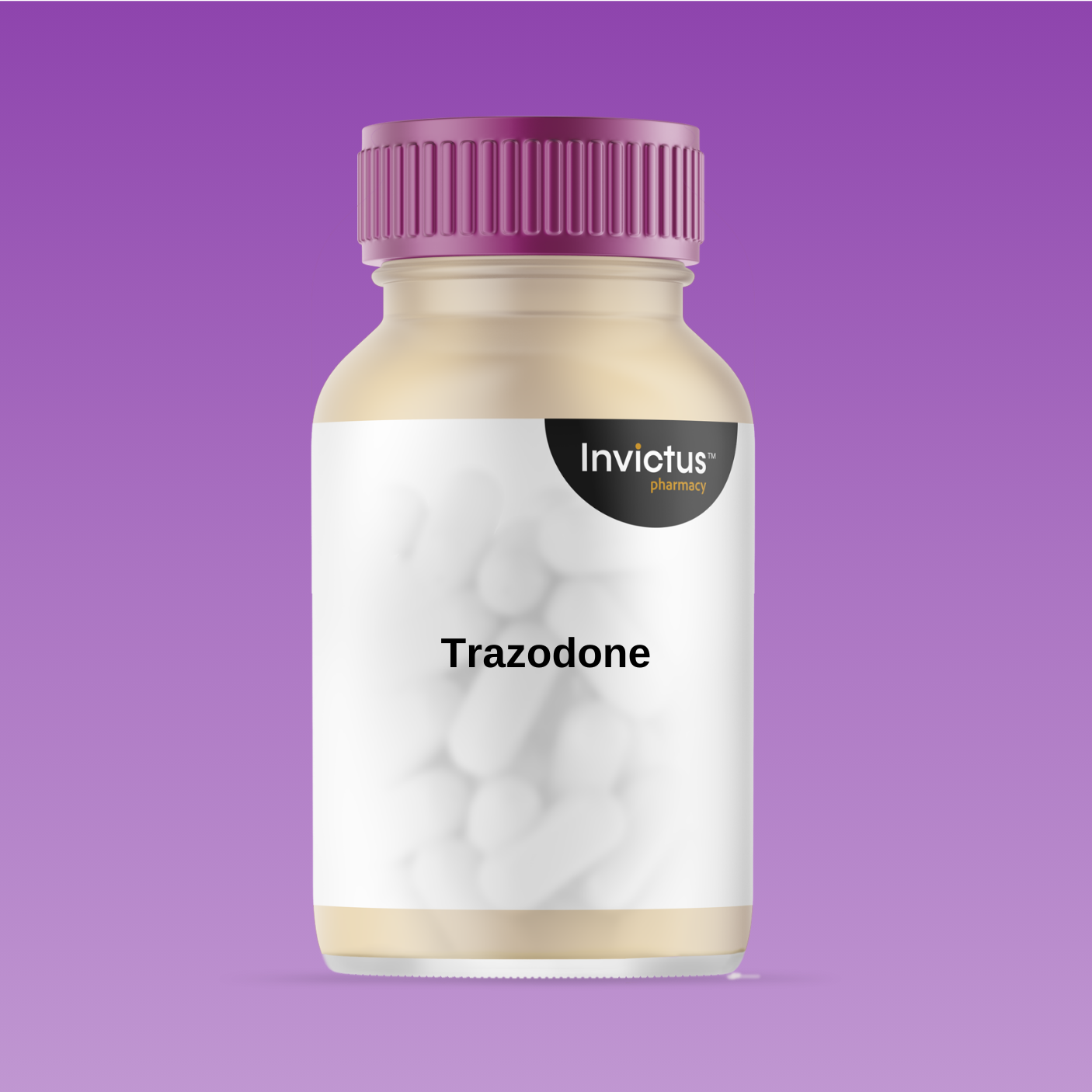
Trazodone is a prescription serotonin antagonist and reuptake inhibitor (SARI) used to treat major depressive disorder and, off-label, to help with insomnia and anxiety. It works by increasing serotonin activity in the brain, improving mood and emotional balance, while also having sedative effects that promote better sleep.
Your Prescription
Ready to Fill
Your savings with us
73%
Avg. price at other pharmacies
$32.22

Need Help?
Our pharmacists are available 24/7 to answer questions about your medication.
Drug Facts
Generic name
Trazodone Hydrochloride
Brand names
Desyrel, Oleptro (discontinued)
Drug type
Serotonin antagonist and reuptake inhibitor (antidepressant)
Controlled substance
Not a controlled medication
Dosage forms
Tablets
Typical dosage
For depression, the usual dosage range is 200–400 mg daily administered in divided doses. In insomnia (off-label use), dosing is commonly 50–100 mg taken by mouth at bedtime.
Basics
What Is Desyrel?
Desyrel, generically known as trazodone, is an antidepressant medication prominently used to treat major depressive disorder. As part of the antidepressant class of drugs, Desyrel works by balancing specific natural chemicals in the brain, such as serotonin, which can influence mood and emotions.
This medication is notably characterized by its dual action as an antidepressant and sedative, making it a versatile agent in mental health treatment plans.
Desyrel is favored in clinical settings for its efficacy in alleviating symptoms of depression, including low mood, lack of energy, and disturbances in sleep. Enhancing serotonin levels and its effects can help stabilize mood and improve overall emotional well-being.
In addition to its use as an antidepressant, Desyrel’s sedative properties allow it to be beneficial for individuals experiencing insomnia, especially when related to anxiety or depression.
2025 Pharmacy Trend: The Non-Z-Drug Alternative. In 2025, Desyrel (Trazodone) became the most widely prescribed off-label sleep aid in the U.S.
- The 2025 Reason: Due to increased FDA scrutiny and “Black Box” warnings on Z-drugs (like Ambien and Lunesta) regarding complex sleep behaviors (sleepwalking/driving), trazodone is now the 2025 “first-line” clinical choice for chronic insomnia.
- The Benefit: Unlike traditional sedatives, 2025 clinical reviews confirm that low-dose trazodone (25–50 mg) does not carry a high risk of physical dependency or “rebound insomnia” when discontinued.
What Is Trazodone?
The active ingredient in Desyrel is trazodone. This drug is classified primarily as a serotonin antagonist and reuptake inhibitor (SARI). Trazodone’s unique action distinguishes it from other classes of antidepressants, like SSRIs and SNRIs, by not only relieving depressive symptoms but also producing a calming effect.
Trazodone’s dual mechanism of action results from its ability to block certain serotonin receptors and inhibit serotonin reuptake in the brain. This supports both the antidepressant and sedative properties, often leading to improvements in sleep disorders when used at lower doses.
Its use also extends beyond mood improvement, as it affects restful sleep patterns. This makes trazodone a practical option for those who may not tolerate other sedatives or antidepressants due to side effects or contraindications.
With a comprehensive safety profile, trazodone is well-regarded as a treatment option, although it requires monitoring for potential side effects. Its versatility allows it to treat coexisting depressive and anxiety symptoms efficiently.
Indications
What Is Desyrel Used For?
Desyrel has been effective in treating various mental health conditions due to its action on serotonin levels in the brain. Its primary indications and off-label uses demonstrate its versatility in treating more than just depression.
Primary Indications
- Major depressive disorder: Desyrel is primarily prescribed for alleviating symptoms of major depression, such as persistent sadness, loss of interest in daily activities, and fatigue. By stabilizing serotonin levels, it aims to improve mood and energy.
- Anxiety disorders: Although not its primary use, Desyrel can help manage anxiety disorders due to its secondary sedative effect. This property can help reduce anxiety symptoms by promoting relaxation and calmness.
Off-Label Uses
- Insomnia: Given its sedative properties, one of the most common off-label uses of Desyrel is for treating insomnia. It helps to enhance sleep quality without the addictive potential of traditional sleeping pills.
- Chronic pain & Fibromyalgia: Desyrel can sometimes be used to manage pain, especially in chronic conditions like fibromyalgia. Its ability to improve sleep also indirectly supports pain management by promoting restorative sleep.
Patients prescribed Desyrel for any of these conditions should work closely with their healthcare providers to tailor doses and manage potential side effects.
Mechanism
How Does Desyrel Work?
Desyrel’s therapeutic effects primarily arise from its action within the brain’s neurotransmitter system, specifically targeting serotonin, a key player in mood regulation.
Mechanism of Action
Desyrel (trazodone) functions mainly as a serotonin antagonist and reuptake inhibitor. It enhances serotonin activity by blocking the reuptake transporter that normally clears serotonin from the synaptic cleft.
Additionally, trazodone binds to serotonin receptors, particularly the 5-HT2A receptor, thereby preventing serotonin from activating these receptors. This dual action of reuptake inhibition and receptor blockade increases the availability of serotonin, thereby augmenting mood and alleviating depressive symptoms.
This mechanism not only assists with depression but also provides anxiolytic effects, calming the central nervous system and producing sedation.
Pharmacokinetics
After oral administration, trazodone is absorbed from the gastrointestinal tract, with peak plasma concentrations occurring approximately 1 to 2 hours later. The bioavailability of trazodone can be influenced by food. It is often recommended to be taken after meals to enhance absorption and reduce gastric irritation.
Trazodone undergoes extensive hepatic metabolism, primarily via CYP3A4, to form its active metabolite, m-chlorophenylpiperazine (mCPP), which contributes to its pharmacological activity. The medication’s half-life is relatively short, generally around 7 hours, which necessitates divided dosing schedules to maintain stable drug levels.
Excretion is predominantly renal, with metabolites and unchanged drug eliminated in urine, whereas a smaller fraction is excreted in feces. Providers should consider liver and kidney function when prescribing trazodone.
Dosage
Desyrel Dosages and Administration
Proper dosing and administration of Desyrel are crucial for its effectiveness and safety. Healthcare providers often personalize treatment regimens to optimize therapeutic outcomes while minimizing adverse effects.
Dosage Recommendations
- Starting dose: The typical starting dose for adults is 150 mg per day, administered in smaller doses throughout the day. This approach helps to minimize side effects and allows the body to adjust to the medication.
- Maximum dose: The healthcare provider may gradually increase the dose based on the patient’s response, up to a maximum of 400 mg per day for outpatient treatment. In hospitalized patients, this may reach 600 mg, but such increments should be made only under clinical supervision.
Lower doses might be considered for patients who are sensitive or experiencing adverse side effects. As with many antidepressants, achieving the full therapeutic effect of Desyrel usually takes several weeks of continuous treatment.
Administration Guidelines
Desyrel should be taken with a meal or a light snack, as this helps with absorption and reduces gastrointestinal side effects such as nausea or an upset stomach. It should be taken whole with water, not split or chewed, unless explicitly indicated for lower-dose options.
Evening dosing is often preferred, especially when treating insomnia, given the medication’s sedative effect.
Abrupt cessation should be avoided to prevent withdrawal symptoms, and any dose changes should be gradual and under medical guidance to prevent destabilization of the patient’s mental health.
Get The Right Dose For Less
Why pay retail prices for the same medication?
At Invictus, we source directly from trusted, FDA-approved manufacturers to keep your costs low without sacrificing quality. Whether you need a one-time fill or regular refills, our transparent pricing makes it easy to save every day.
Side Effects
Desyrel Side Effects and Safety
All medications have the potential for side effects, and Desyrel is no exception. Understanding common and serious side effects and implementing safety precautions enables patients and healthcare providers to manage them effectively.
Common Side Effects
- Drowsiness: As a sedative, Desyrel frequently causes drowsiness, particularly at the start of therapy. This side effect is usually mild and subsides as the body adjusts.
- Dizziness: Many patients experience dizziness, particularly upon standing, due to mild blood pressure-lowering effects.
- Constipation: Reduced bowel motility may require dietary adjustments or mild laxatives.
- Blurred vision: Some individuals may experience transient changes in vision due to the drug’s effects on specific neurotransmitters.
- Dry mouth: A common side effect, often managed with increased fluid intake or sugar-free gum.
- Weight gain: While not as common as with some other antidepressants, weight gain can occur, primarily due to changes in metabolism and appetite.
Serious Side Effects
- Low blood pressure: Significant drops in blood pressure can cause symptoms such as fainting.
- Cardiac arrhythmias: Trazodone can affect heart rhythm, posing risks for individuals with underlying cardiac conditions.
- 2025 Cardiology Guidelines: The QTc Update. New 2025 safety data has clarified the cardiac risks associated with trazodone, particularly for patients over age 65.
- The Risk: Trazodone is now more clearly linked to QTc prolongation, a heart rhythm change that can lead to serious arrhythmias.
- 2025 Clinical Standard: If you are taking Desyrel alongside other medications that affect heart rhythm (such as certain antibiotics or anti-nausea drugs like Zofran), 2025 protocols suggest an EKG screening before starting the medication and again after reaching a maintenance dose.
- 2025 Cardiology Guidelines: The QTc Update. New 2025 safety data has clarified the cardiac risks associated with trazodone, particularly for patients over age 65.
- Seizures: While rare, trazodone can lower the seizure threshold, particularly in those with seizure disorders.
- Priapism (prolonged erection): This is a rare but serious effect requiring immediate medical attention to prevent damage to erectile tissue.
Additionally, there is a known risk of increased suicidal thoughts and behaviors in some individuals, especially children, adolescents, and young adults, at the beginning of treatment. Patients should inform their healthcare provider of any persistent or troublesome side effects.
Interactions
Desyrel Interactions
Desyrel, like all medications, can interact with other drugs and substances, potentially altering its effects and increasing the risk for adverse reactions.
Primary Drug Interactions
- Monoamine oxidase inhibitors (MAOIs): Severe interactions can occur if Desyrel is taken with MAOIs or within two weeks of their discontinuation. This combination can result in dangerous increases in serotonin levels, leading to serotonin syndrome.
- Other antidepressants: Concurrent use with other serotonergic drugs, such as SSRIs or SNRIs, requires caution due to the risk of serotonin syndrome, a potentially life-threatening condition characterized by confusion, rapid heart rate, and high blood pressure.
- 2025 Safety Alert: The “Hidden” Serotonin Risk. As more people are prescribed “cocktails” for mental health, 2025 warnings for Serotonin Syndrome have been heightened.
- The 2025 Trigger: Doctors are seeing increased cases of Serotonin Syndrome when Desyrel is combined with triptans (for migraines) or lithium.
- Warning Signs: In 2025, patients are taught the “3-S” check: Sweating, Shivering, and Stiff muscles. If these occur within hours of taking your dose, seek emergency care immediately, as this indicates a potentially fatal serotonin overload.
- 2025 Safety Alert: The “Hidden” Serotonin Risk. As more people are prescribed “cocktails” for mental health, 2025 warnings for Serotonin Syndrome have been heightened.
- Sedatives and alcohol: Alcohol or sedatives, when used with Desyrel, can enhance CNS depressant effects, amplifying sedation and increasing risks of impaired judgment or coordination.
Other Considerations
- Antihypertensive drugs: Trazodone may enhance the blood pressure-lowering effects of these drugs, requiring careful blood pressure monitoring.
- CYP3A4 inhibitors: Drugs that inhibit this liver enzyme, such as certain antifungals or antibiotics, may increase trazodone levels, leading to excessive sedation and other side effects.
- Warfarin: Trazodone may enhance the effects of warfarin, an anticoagulant, increasing the risk of bleeding complications.
Patients should provide a full list of their current medications, including non-prescription drugs and supplements, to their healthcare providers.
Contraindications
Desyrel Contraindications
Understanding contraindications helps prevent adverse effects and ensures that Desyrel is used safely and appropriately. Certain conditions and situations warrant precautions or outright avoidance of trazodone to minimize risks.
Absolute Contraindications
- Hypersensitivity to trazodone: Individuals with an allergy to trazodone or any of its components should not use this medication to avoid severe allergic reactions.
- Use with MAOIs: Concurrent use with MAO inhibitors or within 14 days of discontinuing MAOIs is contraindicated due to the possibility of hypertensive crisis and serotonin syndrome.
- Recent myocardial infarction: Trazodone may affect cardiac rhythm and, thus, should be avoided immediately following a heart attack.
Warnings and Precautions
When beginning therapy with Desyrel, consideration of specific health conditions or concurrent medication use is crucial. Warnings and precautions for Desyrel include:
- Cardiac conditions: Patients with a history of heart disease, heart rhythm disorders, or strokes should exercise caution due to the potential effects on heart rate and rhythm. Regular cardiac monitoring may be necessary.
- Bipolar disorder: Trazodone can trigger manic episodes in individuals with bipolar disorder. Cautious use and mood monitoring are advised.
- Renal or hepatic impairment: Patients with compromised kidney or liver function may require dose adjustments due to altered drug metabolism and excretion.
- Pregnancy and breastfeeding: Desyrel should only be used during pregnancy when clearly needed, and breastfeeding mothers should consult their physician to weigh the potential benefits and risks.
Prescribers must consider a patient’s complete medical history before initiating trazodone treatment. A well-informed approach to prescribing Desyrel can prevent complications and maximize the benefits of this antidepressant in suitable patients.
Ready to Start Saving?
No one should overpay for safe, effective medication. By cutting out middlemen and working directly with trusted, FDA-approved manufacturers, Invictus offers the same high-quality medicines you’d find at big retail pharmacies—at a fraction of the price.
Whether you choose brand-name or generic, we’ll deliver it quickly, affordably, and right to your door. Maybe that’s why most patients who switch to Invictus never look back.
Frequently Asked Questions (FAQs)
Didn’t see the answers you’re looking for in this article? Check out this comprehensive FAQ for more details.
Administration & Dosage
Desyrel, also known by its generic name, trazodone, is typically administered orally as tablets. It is generally recommended to take the medication after meals or a light snack to minimize the risk of stomach upset. Maintaining consistent food intake helps ensure better nutrient absorption and reduces gastrointestinal discomfort. Following a healthcare provider's prescribed directions is crucial for optimal results.
The frequency of Desyrel administration varies according to individual treatment plans. Typically, it is prescribed to be taken one to three times daily, with the last dose commonly instructed to be taken at bedtime. Consistency in timing helps maintain stable blood levels, thereby contributing to the medication’s effectiveness. Always follow the dosing schedule prescribed by your healthcare provider for optimal outcomes.
Healthcare providers usually initiate treatment with a starting dose of 150 mg per day, divided into smaller doses. This approach allows for gradual adjustment based on the patient's response and tolerance. Adjustments may be needed depending on the condition being treated and individual patient factors. Regular consultations with a healthcare provider are essential to effectively tailor the dosing strategy.
The full therapeutic benefits of Desyrel in treating depression or anxiety might take several weeks to manifest completely. Initial improvements, especially in sleep patterns, may become noticeable within the first week. Patients should maintain open communication with their healthcare provider to address any concerns or perceived lack of treatment efficacy.
While primarily intended for treating depression, Desyrel's sedative properties make it a popular off-label option for managing insomnia, especially when related to depression or anxiety. This dual function can be particularly beneficial for patients experiencing difficulty sleeping. Consultation with a healthcare provider is recommended to ensure appropriateness for individual circumstances.
Uses & Mechanism of Action
Desyrel is chiefly used to manage major depressive disorder. Its efficacy in treating symptoms like mood swings and loss of interest in daily activities has made it a staple in depression treatment. Additionally, its sedative effects make it suitable for addressing insomnia symptoms, contributing to its versatility in treating related conditions.
Desyrel functions by modulating specific neurotransmitters in the brain, primarily serotonin. This modulation helps improve mood and induce sleepiness, alleviating depressive symptoms. By enhancing serotonin activity, Desyrel assists in stabilizing mood disorders, making it effective for patients with varying degrees of depression or anxiety, and offering relief from associated sleep disruptions.
Desyrel is not categorized as a controlled substance, but it does require a prescription for use. Its classification indicates a lower potential for abuse compared to controlled medications. Nevertheless, it should be taken strictly under a healthcare provider's supervision to prevent misuse and to monitor efficacy and safety.
Indeed, Desyrel is the brand name for trazodone, and both terms are used interchangeably in medical contexts. They represent the same pharmaceutical compound and offer equivalent therapeutic effects. Patients may be prescribed either form based on availability or medical insurance coverage, as both have identical therapeutic properties.
Desyrel is often preferred for patients experiencing sleep disturbances alongside depression due to its sedative qualities. Additionally, its unique side effect profile can be beneficial for patients who might not tolerate other classes of antidepressants, such as SSRIs or SNRIs. Healthcare providers weigh these factors in determining the most suitable medication.
Side Effects & Safety
Desyrel may cause side effects such as dizziness, drowsiness, dry mouth, and constipation. While these effects are usually mild, they can be bothersome for some patients. More serious side effects, though rare, should be reported to a healthcare professional. Regular monitoring helps manage and mitigate potential complications arising from the medication. The 2025 "8-Hour Rule": To mitigate the common 2025 complaint of "next-day grogginess," clinical experts now recommend a strict 8-hour sleep window. Dosing Advice: If you cannot commit to 7–8 hours of sleep, 2025 guidelines suggest avoiding your trazodone dose for that night. The "Food" Factor: 2025 pharmacokinetic data confirms that taking trazodone on an empty stomach results in a faster "hit" but also a faster "drop," while taking it with a small snack (as recommended) ensures a more stable release that prevents middle-of-the-night waking.
Weight gain is a potential side effect associated with Desyrel use, though it does not affect everyone. Possible causes include increased appetite or altered metabolism. Patients experiencing significant weight changes should consult with their healthcare provider to adjust their treatment plan and establish a balanced diet and exercise regimen.
Desyrel may cause a reduction in blood pressure, potentially resulting in dizziness or fainting, particularly when rising from a sitting or lying position to standing. Patients should be cautious when changing positions and discuss persistent symptoms with their healthcare provider. Monitoring blood pressure may be recommended for those at risk.
Desyrel is not primarily indicated for pain management, but some studies suggest it may alleviate certain types of chronic pain due to its sedative and muscle relaxant properties. This effect may provide an added benefit for patients who have concurrent pain and mood disorders. A thorough medical evaluation is essential for understanding Desyrel’s role in pain management.
Desyrel is often utilized for long-term management of depression and related disorders. Patients should undergo regular evaluations by healthcare professionals to monitor their effectiveness and any emerging side effects. Long-term use requires careful assessment to balance benefits against potential risks, ensuring that continued treatment aligns with health outcomes.
Interactions & Contraindications
Combining Desyrel with alcohol is not recommended, as both substances can enhance sedation and dizziness. This interaction increases the likelihood of risky situations and potential harm. Patients should be advised to avoid alcohol consumption while receiving treatment with Desyrel, maintaining vigilance about their overall safety and well-being.
Desyrel can interact adversely with certain medications, including MAO inhibitors and other serotonergic drugs. These combinations may result in severe reactions, such as serotonin syndrome. It is crucial to provide your healthcare provider with a comprehensive list of all medications and supplements you are using to avoid dangerous interactions.
Patients with a history of heart conditions should use Desyrel cautiously since it may affect heart rhythm. Additionally, those with seizure disorders, liver issues, or mental health conditions should discuss potential risks with their healthcare provider. To ensure safety, a thorough medical history should be shared with healthcare professionals before starting therapy.
While Desyrel is typically used to improve sleep quality, some patients experience paradoxical insomnia or increased wakefulness. If sleep disturbances persist or worsen, discussing these symptoms with a healthcare provider is essential. They may need to adjust the medication or explore alternative treatments to better address sleep concerns.
Desyrel does not impose specific dietary restrictions. However, maintaining a healthy and balanced diet supports overall treatment efficacy. Patients who experience excessive drowsiness may need to monitor their sodium intake and discuss nutritional concerns with their healthcare provider or a nutritionist for tailored dietary advice.
Generic & Alternatives
The generic name for Desyrel is trazodone. Both the brand and generic versions contain the same active ingredients and are used interchangeably in the treatment of depression and insomnia. Depending on manufacturing and insurance factors, patients may receive either form.
Switching between Desyrel and its generic, trazodone, is usually feasible, as they are bioequivalent in active composition and therapeutic effect. Such changes should always be managed by a healthcare provider to ensure consistent treatment and to monitor the response.
Several alternative antidepressants exist, including SSRIs, SNRIs, and other sedative-hypnotics, which may be considered based on individual needs and treatment responses. Factors such as side effect profiles, patient history, and specific therapeutic goals guide the selection of appropriate alternatives and adjustments to the treatment plan.
Desyrel is not classified as a muscle relaxant; however, its sedative properties can contribute to relaxation and may indirectly reduce muscle tension. Patients with combined mood disorders and muscle-related symptoms might experience improved comfort with its use.
Transitioning off Desyrel should be done gradually, under medical supervision, to prevent withdrawal symptoms. A healthcare provider will provide a personalized tapering schedule based on the individual's treatment duration and response. Regular follow-up appointments are important for a smooth and effective transition away from the medication.
Disclaimer
The information provided on this page is for general informational purposes only and is not intended as medical advice. Always consult with a licensed healthcare provider before starting, stopping, or changing any medication regimen. While Invictus strives to provide accurate and up-to-date information, individual health conditions and circumstances vary. The prices, availability, and descriptions of all medications on this page are subject to change.
Your Prescription
Ready to Fill
Your savings with us
73%
Avg. price at other pharmacies
$32.22
Need Help?
Our pharmacists are available 24/7 to answer questions about your medication.