

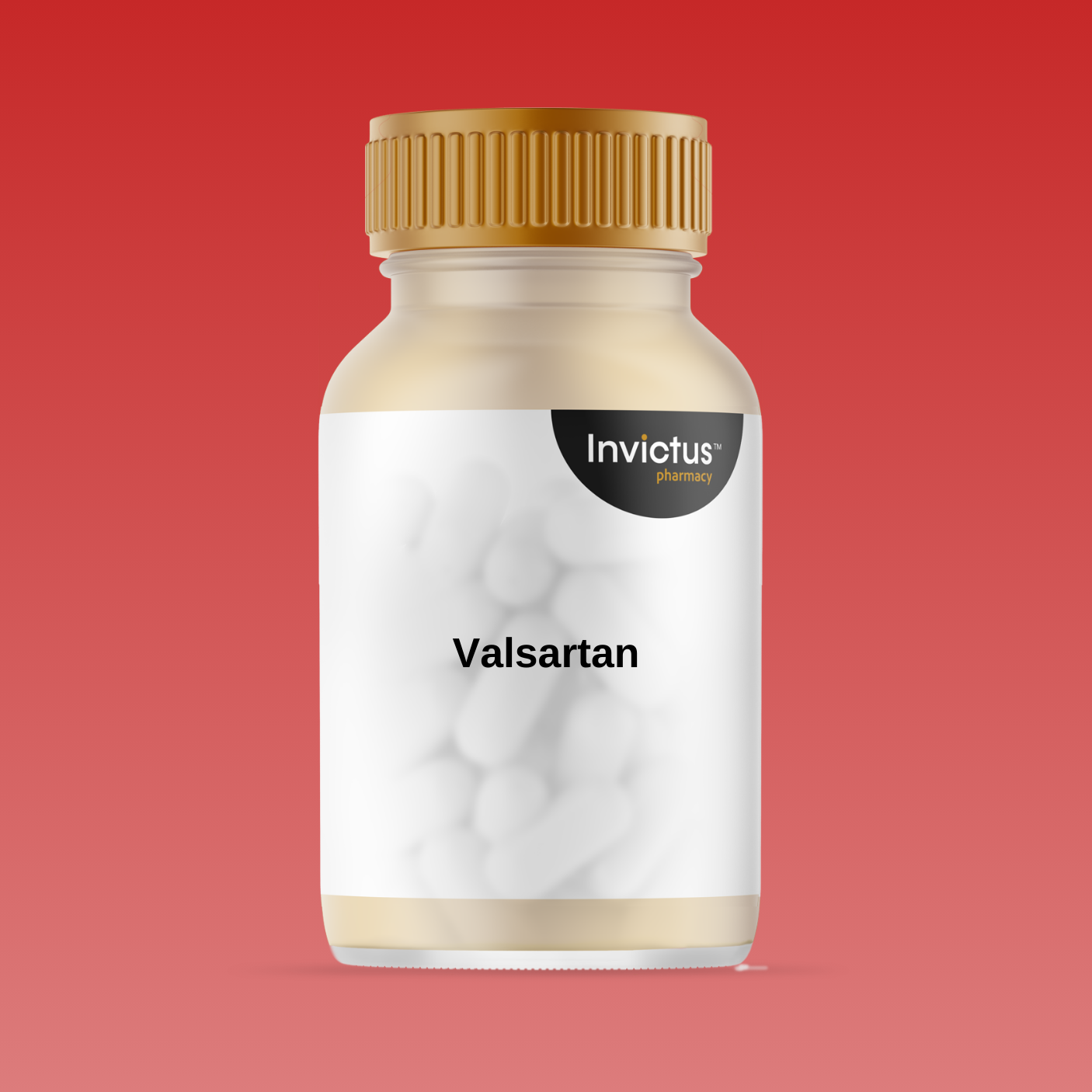
From:
$9.30
84% OFF
Prescription required
Valsartan (Generic Diovan): Uses, Dosage, Side Effects, and More
Reviewed by:


From:
$9.30
84% OFF
Prescription required
Valsartan is a prescription angiotensin II receptor blocker (ARB) used to treat high blood pressure, heart failure, and improve survival after a heart attack. It works by blocking the action of angiotensin II, a natural hormone that causes blood vessels to constrict. By relaxing blood vessels, Diovan helps lower blood pressure and reduce strain on the heart, improving circulation and long-term heart health.
Your Prescription
Ready to Fill
Your savings with us
84%
Avg. price at other pharmacies
$48.66

Need Help?
Our pharmacists are available 24/7 to answer questions about your medication.
Drug Facts
Generic name
Valsartan
Brand names
Diovan
Drug type
Angiotensin II receptor blocker (ARB)
Controlled substance
Not a controlled medication
Dosage forms
Tablets
Typical dosage
For hypertension, dosing is typically 80–320 mg taken by mouth once daily. In heart failure or post–myocardial infarction management, dosing commonly ranges from 20–160 mg taken by mouth twice daily.
Basics
What Is Valsartan?
Valsartan is the generic version of Diovan and serves the same purpose with identical efficacy in treating conditions such as hypertension and heart failure. As an angiotensin II receptor blocker, valsartan inhibits angiotensin II’s effects, improving blood flow and reducing cardiac strain.
Although Diovan and valsartan contain the same active ingredient, patients often prefer valsartan because it is less expensive than the brand-name product. It is available in several dosages and formulations, making it widely accessible to patients with varying needs.
2025 Quality Assurance Update: The NDMA Resolution. Patients may recall historical concerns regarding impurities (NDMA) in generic valsartan.
- The 2025 Status: As of 2025, the FDA has implemented rigorous, mandatory batch-testing for all generic valsartan manufacturers. The “Recalled” status of several years ago is no longer an active threat.
- Verification: 2025 clinical standards ensure that any valsartan dispensed at licensed U.S. pharmacies meets the updated “Nitrosamine-Free” certification, making the generic as safe as the brand-name Diovan.
Note: This medication’s generic and brand-name formulations are used interchangeably throughout this article.
What Is Diovan?
Diovan is a medication primarily used to treat high blood pressure (hypertension) and heart failure. It belongs to a class of drugs called angiotensin II receptor blockers (ARBs).
By blocking angiotensin II, a peptide that constricts blood vessels, Diovan helps relax and dilate blood vessels, lowering blood pressure and allowing the heart to work more efficiently.
This is particularly beneficial for patients with hypertension and those with heart conditions post-myocardial infarction, as it aids in reducing the risk of future cardiovascular events.
Indications
What Is Valsartan Used For?
Diovan is used to manage several cardiovascular conditions, providing relief and improving outcomes for patients. Here is an overview of its primary and off-label uses.
Primary Indications
- Treatment of High Blood Pressure (Hypertension): Diovan is highly effective in lowering high blood pressure, thus reducing the risk of strokes, heart attacks, and kidney problems.
- Management of Heart Failure: For patients with heart failure, Diovan can help improve survival rates by reducing the symptoms and complications of this condition.
- Post-Myocardial Infarction: Diovan is prescribed to patients after a heart attack to improve survival rates and reduce hospitalizations due to cardiovascular events.
Off-Label Uses
Though primarily designed for certain conditions, Diovan may be prescribed off-label for:
- Diabetic Nephropathy: It helps manage kidney problems associated with type 2 diabetes.
- Migraine Prophylaxis: Some healthcare providers use it to help prevent migraines, although this is not a primary indication.
Utilizing Diovan for these purposes should always be under the direct guidance of a healthcare provider to ensure safety and optimal results.
Neuro-Protection: Emerging 2025 research has highlighted a secondary benefit of Diovan beyond its blood-pressure-lowering effects.
- Dementia Prevention: Large-scale 2025 observational studies suggest that patients on ARBs like Diovan have a lower incidence of Alzheimer’s disease and vascular dementia compared to those on other blood pressure meds.
- The Mechanism: Diovan appears to protect the small blood vessels in the brain from inflammatory damage, potentially slowing age-related cognitive decline.
Mechanism
How Does Valsartan Work?
Diovan’s efficacy in managing hypertension and heart-related conditions is attributable to its specific mechanisms of action and pharmacokinetic properties, which make it a reliable choice for many patients.
Mechanism of Action
Diovan functions by obstructing the action of angiotensin II, a potent vasoconstrictor. This blockage prevents angiotensin II from binding to its receptors in blood vessels, leading to vasodilation—the widening of blood vessels. As a result, it lowers the blood pressure and decreases the heart’s workload.
In addition to relaxing blood vessels, it also helps reduce the risk of fluid retention and cardiac hypertrophy that often accompany heart failure and post-heart attack states.
Pharmacokinetics
Valsartan, the active ingredient in Diovan, is rapidly absorbed after oral administration, reaching peak plasma concentrations within 2 to 4 hours. Despite rapid absorption, the bioavailability of valsartan is approximately 23%, indicating that only a portion of the administered dose reaches the systemic circulation to exert its effect.
The half-life of valsartan is approximately 6–9 hours, allowing once- or twice-daily dosing, depending on the condition being treated. It is primarily eliminated through feces as an unchanged drug, which minimizes the risk of accumulation in patients with normal kidney function and reduces the potential for side effects.
Dosage
Valsartan Dosages and Administration
Understanding the appropriate dosages and administration guidelines for Diovan is crucial to achieving optimal outcomes in the treatment of hypertension, heart failure, and other conditions.
Dosage Recommendations
- Hypertension: The starting dose for adult patients is typically set at 80 mg once daily. Depending on the patient’s response and needs, the dosage can be titrated up to a maximum of 320 mg per day.
- Heart Failure: Treatment usually begins with 40 mg twice daily. This can be gradually increased to a recommended target of 160 mg twice daily, based on patient tolerance and clinical response.
- Post-Myocardial Infarction: In this case, therapy starts at 20 mg twice daily, with doses adjusted as tolerated up to a target of 160 mg twice daily.
Administration Guidelines
Diovan can be administered with or without food, providing flexibility for patients to incorporate it into their lifestyle without strict dietary constraints. For consistent blood pressure control, it should be taken at the same time each day.
Some healthcare providers may recommend taking valsartan at night, especially if the patient experiences side effects such as dizziness or light-headedness. Always consult your healthcare provider before any changes in how or when you take your medication.
Get The Right Dose For Less
Why pay retail prices for the same medication?
At Invictus, we source directly from trusted, FDA-approved manufacturers to keep your costs low without sacrificing quality. Whether you need a one-time fill or regular refills, our transparent pricing makes it easy to save every day.
Side Effects
Valsartan Side Effects and Risks
Diovan is generally well tolerated, but like all medications, it can cause side effects. Being aware of potential reactions helps patients recognize symptoms early and seek appropriate care when needed.
Common Side Effects
- Dizziness: Dizziness may occur, particularly when starting treatment or adjusting the dose, as the body adapts to changes in blood pressure.
- Headache: Some patients experience headaches during the initial phase of therapy, often related to blood pressure adjustments.
- Fatigue: Generalized tiredness or low energy may develop, particularly during the first few weeks of treatment.
- Anxiety: In rare cases, patients may report feelings of nervousness or anxiety shortly after initiating therapy.
- Abdominal Pain: Mild stomach discomfort may occur but typically resolves on its own without intervention.
Serious Side Effects
- Kidney Dysfunction: Diovan may affect kidney function, particularly in patients with preexisting kidney disease. Regular blood tests may be required to monitor renal function.
- Hyperkalemia: Elevated potassium levels can be serious if untreated. Periodic monitoring of blood potassium levels is recommended.
- Angioedema: A rare but serious allergic reaction involving swelling of the face, lips, tongue, or throat. This condition requires immediate medical attention.
Patients who experience severe symptoms or signs of an allergic reaction should seek medical care promptly.
Interactions
Interactions with Valsartan
Understanding potential drug interactions is essential to avoid complications and ensure Diovan remains safe and effective.
Primary Drug Interactions
- Other Antihypertensive Medications: Combining Diovan with ACE inhibitors or beta-blockers may lead to excessive blood pressure lowering and increase the risk of dizziness or fainting.
- Nonsteroidal Anti-Inflammatory Drugs (NSAIDs): NSAIDs may reduce the blood pressure–lowering effect of Diovan and increase the risk of kidney problems, particularly with long-term use.
- Potassium-Sparing Diuretics: Concurrent use can significantly raise potassium levels, increasing the risk of hyperkalemia.
Other Considerations
- Aliskiren: Diovan should generally be avoided in combination with aliskiren, especially in patients with diabetes, due to an increased risk of kidney impairment.
- Lithium: Valsartan may increase lithium levels, raising the risk of lithium toxicity. Blood levels should be monitored closely if both medications are used.
Patients should provide their healthcare provider with a complete list of medications and supplements to help ensure potential interactions are managed safely.
Contraindications
Valsartan Contraindications
Certain medical conditions make the use of Diovan unsafe. Identifying these contraindications is critical to protecting patient health.
Absolute Contraindications
- Hypersensitivity: Diovan should not be used in patients with a known allergy to valsartan or any component of the formulation.
- Pregnancy: Diovan can cause serious harm to a developing fetus and is contraindicated during pregnancy.
Warnings and Precautions
- Renal Artery Stenosis: Patients with narrowing of the renal arteries require cautious use, as Diovan may further impair kidney function.
- Routine Monitoring: Regular assessment of kidney function and electrolyte levels is recommended throughout treatment to detect potential complications early.
Healthcare providers play an essential role in evaluating individual risk factors before initiating Diovan, ensuring its safe and effective use as part of a comprehensive treatment plan.
Ready to Start Saving?
No one should overpay for safe, effective medication. By cutting out middlemen and working directly with trusted, FDA-approved manufacturers, Invictus offers the same high-quality medicines you’d find at big retail pharmacies—at a fraction of the price.
Whether you choose brand-name or generic, we’ll deliver it quickly, affordably, and right to your door. Maybe that’s why most patients who switch to Invictus never look back.
Frequently Asked Questions (FAQs)
Didn’t see the answers you’re looking for in this article? Check out this comprehensive FAQ for more details.
Administration & Dosage
It is generally advisable to split tablets only if they are scored to ensure a consistent dose. Consult your healthcare provider before splitting any medication to ensure it is safe and will maintain its efficacy.
Diovan is usually taken once daily, with or without food. It is important to follow your healthcare provider’s instructions for taking this medication to achieve the desired therapeutic effect.
While Diovan can be taken at any time, it is often recommended to take it at the same time each day. Consistent timing helps maintain steady blood levels, which is vital for controlling blood pressure effectively.
Diovan can be taken with or without food according to personal preference and tolerance. Taking it with food may reduce gastrointestinal discomfort for some people, but it is not necessary for absorption or efficacy.
Diovan may begin lowering blood pressure within a few hours after the first dose, but it generally takes several weeks to achieve the full therapeutic effect. Continuous use as prescribed is crucial for optimal blood pressure management.
Uses & Mechanism of Action
Diovan is the brand name for valsartan, an angiotensin II receptor blocker (ARB) used to treat high blood pressure, heart failure, and to improve survival after a heart attack by helping the heart work more efficiently. 2025 Heart Failure Update: Targeting HFpEF While Diovan has long been used for standard heart failure, 2025 guidelines from the American College of Cardiology (ACC) now specifically emphasize its role in HFpEF (Heart Failure with Preserved Ejection Fraction). The Challenge: HFpEF was previously difficult to treat because the heart pumps normally but is too "stiff" to fill properly. The 2025 Evidence: New data confirms that Diovan is one of the most effective ARBs at reducing the "stiffness" of the heart muscle (cardiac fibrosis), preventing the hospitalizations that are common in this specific type of heart failure.
Diovan is prescribed for the management of hypertension (high blood pressure), reducing the risk of heart attacks and strokes, as well as treating heart failure to prevent further heart complications in affected patients.
Diovan works by blocking the action of angiotensin II, a natural substance in the body that constricts blood vessels. By blocking the action of angiotensin II, valsartan relaxes and dilates blood vessels, thereby lowering blood pressure.
Diovan is not a beta blocker. It is classified as an angiotensin II receptor blocker (ARB). Unlike beta blockers, ARBs specifically target the angiotensin II pathway to manage blood pressure and cardiovascular conditions.
Diovan is not classified as a controlled substance. However, it is a prescription medication, and its use should be monitored by a healthcare provider to ensure safe and effective treatment of cardiovascular conditions.
Side Effects & Safety
Common side effects of Diovan include dizziness, viral infections, fatigue, and abdominal pain. These side effects are often mild and temporary, resolving with continued use or dose adjustment as guided by a healthcare provider.
Weight gain is not commonly associated with Diovan. It is important to monitor your weight and discuss any significant changes with your healthcare provider, as they may want to evaluate other potential causes or adjust your medication.
Erectile dysfunction is not a common side effect of Diovan. If you experience this issue while taking the medication, it is important to consult with your healthcare provider for further evaluation and possible management strategies.
Serious side effects of valsartan may include kidney problems, high potassium levels, and allergic reactions. Immediate medical attention is necessary if you experience signs of swelling, difficulty breathing, or significant changes in urinary habits.
A persistent cough is less common with valsartan compared to ACE inhibitors. However, if you develop a cough while taking this medication, it is advisable to discuss it with your healthcare provider to assess the cause and manage it appropriately.
Interactions & Contraindications
In some cases, Diovan may be prescribed in combination with metoprolol to improve blood pressure control and cardiac protection. Always adhere to your doctor's instructions regarding medication combinations to ensure safe and effective treatment.
While on valsartan, it's important to avoid consuming excessive alcohol as it may further lower blood pressure. Limit intake of potassium-rich foods and salt substitutes to prevent hyperkalemia, which can be harmful. 2025 Diet-Drug Management: The Salt Substitute Warning In 2025, with the rising popularity of low-sodium "heart-healthy" diets, a new risk has emerged for Diovan users. The Risk: Many commercial "Low Sodium" salt substitutes (like NoSalt) replace sodium with potassium chloride. 2025 Safety Protocol: Because Diovan naturally causes the kidneys to retain potassium, using these substitutes can lead to Hyperkalemia (dangerously high potassium), which can cause heart rhythm issues. 2025 patient education now mandates checking labels for "Potassium Chloride" before switching to any salt alternative.
Some NSAIDs may reduce valsartan's effectiveness and enhance the risk of kidney damage. Always consult your healthcare provider before combining valsartan with any pain relievers to ensure safety and avoid potential negative interactions.
Valsartan may be used in combination with other blood pressure medications under a healthcare provider's supervision. This ensures that drug interactions are managed properly and blood pressure is controlled safely and effectively.
Valsartan and losartan are both ARBs and should generally not be taken together unless specifically advised by a healthcare professional, as they may have overlapping effects and increase the risk of adverse effects.
Generic & Alternatives
Yes, the generic form of Diovan is called valsartan, which is bioequivalent and is often more affordable. This generic option provides effective treatment while being a cost-efficient choice for many patients.
Diovan is the brand name, and valsartan is the generic name for the same medication. They have equivalent dosing and therapeutic effects, although the branded version may contain different inactive ingredients or have different cost considerations.
Valsartan itself is not a diuretic. However, it is sometimes combined with a diuretic, such as hydrochlorothiazide, in a single tablet to enhance blood pressure control by promoting the elimination of excess salt and water from the body.
This combination medication works by relaxing blood vessels and promoting the elimination of excess sodium and water, thereby lowering blood pressure. This dual action provides a comprehensive approach to the management of hypertension.
Losartan and valsartan are both angiotensin II receptor blockers (ARBs), yet they are distinct compounds. Your healthcare provider will determine the most appropriate medication for your individual needs based on your specific health profile.
Disclaimer
The information provided on this page is for general informational purposes only and is not intended as medical advice. Always consult with a licensed healthcare provider before starting, stopping, or changing any medication regimen. While Invictus strives to provide accurate and up-to-date information, individual health conditions and circumstances vary. The prices, availability, and descriptions of all medications on this page are subject to change.
Your Prescription
Ready to Fill
Your savings with us
84%
Avg. price at other pharmacies
$48.66
Need Help?
Our pharmacists are available 24/7 to answer questions about your medication.