

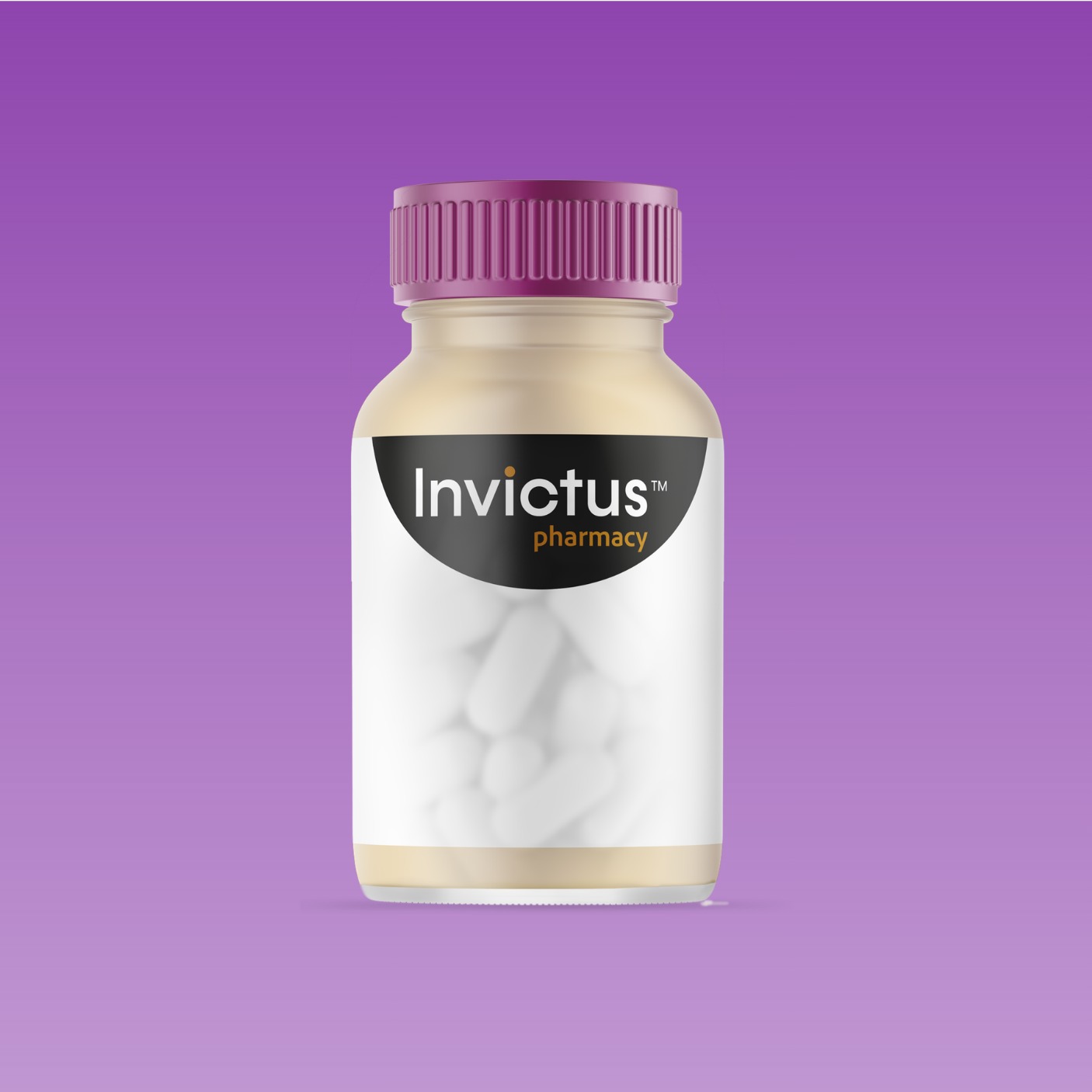
From:
$13.02
41% OFF
Prescription required
Bupropion (Generic Wellbutrin): Uses, Dosage, Side Effects, and More
Reviewed by:


From:
$13.02
41% OFF
Prescription required
Bupropion is a prescription antidepressant used to treat major depressive disorder (MDD) and seasonal affective disorder (SAD). It works by balancing norepinephrine and dopamine levels in the brain to improve mood, energy, and focus. Often chosen for its lower risk of sexual side effects or weight gain, it may also be prescribed off-label for smoking cessation or attention-related symptoms. Bupropion must be taken exactly as prescribed, as exceeding the dose or stopping suddenly can increase seizure risk. It should not be used by individuals with seizure or eating disorders, or those discontinuing alcohol or sedatives abruptly.
Your Prescription
Ready to Fill
Your savings with us
41%
Avg. price at other pharmacies
$23

Drug Facts
Generic name
Bupropion
Brand names
Wellbutrin, Wellbutrin SR, Wellbutrin XL
Drug type
Atypical antidepressant (norepinephrine-dopamine reuptake inhibitor, or NDRI)
Controlled substance
Not a controlled medication
Dosage forms
Tablets (immediate-release, sustained-release, extended-release)
Typical dosage
For major depressive disorder, treatment commonly starts at 150 mg once daily, with an increase to 300 mg daily after several days if needed, and a maximum of up to 450 mg per day depending on the formulation. For seasonal affective disorder, the usual dose is 150 mg once daily in the morning, which may be increased to 300 mg daily as directed.
Basics
What Is Bupropion?
Bupropion is a prescription antidepressant classified as a norepinephrine–dopamine reuptake inhibitor (NDRI). Unlike selective serotonin reuptake inhibitors (SSRIs), bupropion increases levels of norepinephrine and dopamine, neurotransmitters involved in mood regulation, motivation, energy, and concentration.
Buproprion is approved for the treatment of major depressive disorder (MDD) and seasonal affective disorder (SAD) and is often chosen for patients whose symptoms include fatigue, low motivation, or poor focus.
Because it has minimal effect on serotonin, bupropion is less likely to cause weight gain or sexual side effects compared with many other antidepressants.
Note: This medication’s generic and brand-name formulations are used interchangeably throughout this article.
What Is Wellbutrin?
Wellbutrin is the brand name for bupropion. It is available in immediate-release, sustained-release (SR), and extended-release (XL) versions, with Wellbutrin XL designed to release the medication gradually over 24 hours for once-daily dosing.
This extended-release formulation helps maintain steady blood levels, which may reduce side effects such as jitteriness or insomnia and improve overall tolerability.
Wellbutrin XL is commonly prescribed for long-term depression management and is typically taken in the morning to minimize sleep disruption.
Indications
What Is Bupropion Used For?
Wellbutrin is prescribed to address various mental health conditions in which low mood, reduced energy, and impaired motivation are prominent features. Its distinct mechanism targeting norepinephrine and dopamine makes it useful when other antidepressants are ineffective or poorly tolerated.
Primary Indications
- Major Depressive Disorder (MDD) and Seasonal Affective Disorder (SAD): Wellbutrin’s efficacy in these areas arises from its ability to modulate neurotransmitter levels in the brain, leading to improved mood and reduced symptoms associated with depression. Wellbutrin is renowned for not causing some of the common side effects linked with SSRIs, such as weight gain or sexual dysfunction.
- Smoking Cessation: Wellbutrin (under the name Zyban) is approved as an aid to smoking cessation treatments. By affecting the dopamine and norepinephrine systems, it can reduce cravings and withdrawal symptoms, increasing the success rates of those attempting to quit smoking. This use highlights the drug’s versatility in modulating dopamine pathways associated with addiction and habit-forming behaviors.
Off-Label Uses
Wellbutrin’s applications extend beyond its primary uses. It is sometimes prescribed off-label for attention-deficit hyperactivity disorder (ADHD), exploiting its stimulating effect without being a traditional stimulant.
- ADHD Use (2025 Update): Wellbutrin is widely used as a second-line treatment for adult ADHD, particularly for patients who cannot tolerate stimulants due to anxiety or cardiovascular concerns; rather than producing an immediate stimulant effect, it builds gradually over weeks to improve executive function, and it is often combined with low-dose stimulants to provide sustained focus when stimulant effects wear off.
Some clinicians may also consider Wellbutrin for weight loss purposes, particularly in patients dealing with depression who are concerned about the potential weight gain associated with other antidepressants.
Clinical Update (Weight Management Role): Bupropion now has a formal role in weight management as an FDA-approved component of Contrave (bupropion + naltrexone), where bupropion reduces dopamine-driven food cravings and naltrexone dampens the reward response to eating; in 2025, it is increasingly used as a supplement or “off-ramp” for patients transitioning off GLP-1 medications to help maintain weight loss and control cravings.
Mechanism
How Does Bupropion Work?
Wellbutrin’s unique mechanism of action involves inhibiting the reuptake of norepinephrine and dopamine, thereby increasing their levels in the brain. This sets it apart from SSRIs and other antidepressants, which predominantly affect serotonin pathways.
Mechanism of Action
- Norepinephrine-Dopamine Reuptake Inhibition: By preventing the reabsorption of norepinephrine and dopamine into neurons, Wellbutrin enhances their availability in the synaptic cleft. This increase is believed to boost mood and energy levels, two symptoms often deficient in depression.
- Non-Stimulant Energizing Effects: While Wellbutrin is not classified as a stimulant, it often results in energizing effects for patients, which can be particularly beneficial for those experiencing the lethargy commonly associated with depression. This is part of why it is sometimes used off-label to help manage ADHD symptoms where traditional stimulant treatments are not preferred or tolerated.
Pharmacokinetics
The way Wellbutrin modulates brain chemistry may lead to improvements in mood and motivation without some of the sedation that other antidepressants might cause.
After ingestion, the liver extensively metabolizes the drug into various active metabolites, including hydroxybupropion. This process can inform the frequency of medication administration and the most appropriate formulation (immediate-release vs. extended-release) for the individual patient’s needs.
In essence, Wellbutrin’s action offers an alternative approach in depression treatment, with a pharmacological profile that supports mood enhancement and energy stimulation without the drawbacks associated with some other classes of antidepressants.
Dosage
Bupropion Dosages and Administration
Bupropion is available in immediate-release (IR), sustained-release (SR), and extended-release (XL) forms, allowing flexibility in treatment. While generally well-tolerated, it may increase seizure risk in susceptible individuals, so dose limits and proper screening are important.
Wellbutrin’s unique profile makes bupropion a valuable alternative for individuals seeking an antidepressant with fewer sedative effects and a favorable side-effect profile.
Dosage Guidelines
- Starting Dose: Typically, therapy begins with 150 mg per day. This starting point is essential for assessing the patient’s response to and tolerance of the medication.
- Titration: Based on the patient’s response, the dosage can be gradually increased. Typically, the increase might reach a maximum in more severe cases, if tolerable and medically advisable.
Administration Guidelines
- Formulations: Wellbutrin comes in three primary formulations: immediate-release (IR), sustained-release (SR), and extended-release (XL). Each of these formulations specifies the frequency and timing. For instance, the extended-release form is often preferred for once-daily dosing.
- Timing: It’s often recommended that Wellbutrin be taken in the morning to minimize the risk of insomnia, a side effect occasionally reported. However, for those who tolerate it well at night, such as those using sustained-release formulations, evening dosing might also be feasible. It is crucial to swallow the tablets whole to avoid altering the release mechanism, which could impact efficacy and increase side effects.
Get The Right Dose For Less
Why pay retail prices for the same medication?
At Invictus, we source directly from trusted, FDA-approved manufacturers to keep your costs low without sacrificing quality. Whether you need a one-time fill or regular refills, our transparent pricing makes it easy to save every day.
Side Effects
Bupropion Side Effects and Risks
Like all medications affecting the central nervous system, Wellbutrin can produce side effects that vary depending on the individual, dosage, and duration of use. Most patients tolerate the medication well, and many side effects are mild and short-lived. Nonetheless, awareness of both common and more serious risks is important to ensure safe and effective treatment.
Common Side Effects
- Weight Changes: Unlike many antidepressants, particularly selective serotonin reuptake inhibitors (SSRIs), Wellbutrin is more likely to cause weight loss than weight gain. This is due to its stimulatory effects on norepinephrine and dopamine, which can reduce appetite and slightly increase energy expenditure. Some patients may experience a mild-to-moderate reduction in weight over time.
- Central Nervous System (CNS) Effects: Because Wellbutrin enhances norepinephrine and dopamine activity, it can have a stimulating effect on the brain. This can manifest as anxiety, restlessness, jitteriness, or insomnia, especially during the first weeks of therapy. While these effects often diminish as the body adjusts, individuals prone to anxiety may experience worsening symptoms. Taking it earlier in the day can help minimize insomnia or overstimulation.
- Other Common Effects: Additional side effects may include dry mouth, headaches, constipation, dizziness, nausea, or excessive sweating. These reactions are generally mild and temporary. Maintaining hydration, following a balanced diet, and reporting persistent symptoms to a healthcare provider can help manage these effects effectively.
Serious Side Effects
While uncommon, some serious side effects require immediate medical attention:
- Seizures: The most significant risk associated with Wellbutrin is seizure activity, particularly at higher doses or if taken improperly. The risk increases for those with a history of seizures, eating disorders (e.g., bulimia or anorexia nervosa), or abrupt alcohol or sedative withdrawal.
- Hypertension: Although rare, Wellbutrin can cause elevated blood pressure, especially in patients taking nicotine replacement therapies (e.g., patches or gum) concurrently for smoking cessation. Regular blood pressure monitoring is recommended for patients with cardiovascular conditions.
- Allergic Reactions: Serious allergic responses are rare but may present as skin rash, itching, swelling of the face or throat, or difficulty breathing. Such symptoms require immediate discontinuation of the medication and urgent medical care.
Interactions
Bupropion Interactions
Wellbutrin affects the brain’s dopamine and norepinephrine pathways, and because of its impact on the central nervous system, combining it with certain medications or substances can increase the risk of adverse effects.
Drug Interactions
- Alcohol Interaction and Seizure Risk (Critical Safety): Combining Wellbutrin—especially the XL formulation—with alcohol is strongly discouraged because alcohol can trigger “dose-dumping,” prematurely releasing the entire 24-hour dose at once and dramatically increasing seizure risk, even in people without epilepsy; alcohol may also worsen confusion, dizziness, mood instability, and anxiety, so while very limited intake (e.g., one drink) may be tolerated by some patients, heavy or binge drinking is strictly contraindicated, particularly with Wellbutrin XL.
- Antidepressants (SSRIs and SNRIs): Using Wellbutrin with SSRIs or SNRIs must be carefully monitored due to the small but serious risk of serotonin syndrome—a potentially life-threatening condition caused by excessive serotonin activity. Symptoms may include agitation, rapid heart rate, muscle rigidity, sweating, tremors, or confusion. Any such symptoms require immediate medical attention.
- Stimulant Medications (e.g., Adderall, Methylphenidate): Stimulant medications can increase the risk of elevated blood pressure, anxiety, insomnia, or heart palpitations. Both drugs stimulate the central nervous system, and their combined effects can heighten these reactions. Co-administration should be done only under close medical supervision.
- Antipsychotics and Dopaminergic Agents: Drugs that affect dopamine levels—such as levodopa, risperidone, or aripiprazole—may interact with Wellbutrin, potentially altering its antidepressant effects or increasing the risk of side effects like tremors or agitation.
- Over-the-Counter Medications and Supplements: Many OTC drugs and dietary supplements can interact with Wellbutrin. Decongestants (such as pseudoephedrine or phenylephrine) may further raise blood pressure. Herbal supplements like St. John’s Wort, which also affect neurotransmitter activity, can increase the risk of serotonin syndrome when combined with antidepressants. Caffeine-containing products can also enhance stimulation and anxiety, particularly in sensitive individuals.
When taking Wellbutrin, patients should disclose all prescription and over-the-counter medications and supplements to their healthcare providers.
Contraindications
Bupropion Contraindications
Certain medical conditions and circumstances can make Wellbutrin’s use unsafe, increasing the risk of serious adverse effects.
Absolute Contraindications
- Seizure Disorders: Individuals with a current or past history of seizures should not take Wellbutrin. It can make seizures more likely, particularly at higher doses or in combination with other risk factors. Patients with a seizure history require alternative antidepressant options that do not carry this risk.
- Eating Disorders: Wellbutrin is contraindicated in patients with eating disorders such as anorexia nervosa or bulimia. These conditions can lead to electrolyte imbalances (particularly low sodium or potassium), which further increase the likelihood of seizures when combined with bupropion. Even in remission, patients with a history of these disorders should be carefully evaluated before Wellbutrin is considered.
- Abrupt Alcohol or Sedative Discontinuation: Sudden withdrawal from alcohol, benzodiazepines, barbiturates, or other sedatives raises seizure risk, and the addition of bupropion can compound that danger. Wellbutrin may be considered later, once the patient has stabilized and the risk of withdrawal-related seizures has passed.
- Hypersensitivity to Bupropion: Individuals with a known allergy or hypersensitivity to bupropion or any of its inactive ingredients should not use the medication. Allergic reactions, though rare, can include rash, itching, swelling, shortness of breath, or anaphylaxis and require immediate medical attention.
Pregnancy and Nursing Considerations
- Pregnancy: Wellbutrin is classified as Pregnancy Category C, meaning that animal studies have shown adverse fetal effects, but adequate human studies are lacking. In some cases, it may be prescribed if the potential benefits to the mother outweigh the possible risks to the fetus, such as when untreated depression poses a greater health threat.
- Breastfeeding: Bupropion and its metabolites can be present in breast milk in small amounts. While adverse effects in nursing infants are rare, caution is advised, and infants should be monitored for symptoms such as irritability, poor feeding, or unusual sleep patterns.
In all cases, treatment decisions should be made collaboratively between the patient and their healthcare provider, with consideration of all available alternatives.
Ready to Start Saving?
No one should overpay for safe, effective medication. By cutting out middlemen and working directly with trusted, FDA-approved manufacturers, Invictus offers the same high-quality medicines you’d find at big retail pharmacies—at a fraction of the price.
Whether you choose brand-name or generic, we’ll deliver it quickly, affordably, and right to your door. Maybe that’s why most patients who switch to Invictus never look back.
Frequently Asked Questions (FAQs)
Didn’t see the answers you’re looking for in this article? Check out this comprehensive FAQ for more details.
Administration & Dosage
Wellbutrin should generally be taken as an oral tablet, available in sustained-release (SR) or extended-release (XL) formulations. It's crucial to adhere to your healthcare provider’s dosage instructions to achieve optimal results. Typically, Wellbutrin SR is taken twice a day while Wellbutrin XL is taken once daily. The pills should be swallowed whole with water, not crushed, split, or chewed, to ensure proper, sustained release of the medication. If your healthcare provider prescribes a specific time for taking the medication, such as in the morning, it is important to follow these directions to minimize side effects like insomnia.
The dosage of Wellbutrin varies based on the condition being treated. For major depressive disorder, the starting dose might be 150 mg once a day, with the potential to increase this dose over time under the guidance of a healthcare provider. The maximum recommended dose for Wellbutrin SR is typically 400 mg per day, while for Wellbutrin XL, it can be 450 mg per day. Your doctor will tailor the dosage to your specific needs and health condition. It is essential not to adjust your dosage without first consulting your healthcare provider.
While Wellbutrin can technically be taken at night, it is commonly recommended to take it in the morning. The medication has stimulating effects that can disrupt sleep if taken too late in the day. Some people, however, might not experience this side effect, so it's possible to adjust the timing based on individual reactions. If Wellbutrin causes sleep disturbances, speak with your healthcare provider about the best time to take it.
Wellbutrin generally takes about 1 to 2 weeks to start showing improvements in symptoms for some individuals, although the full effects may take up to 6 to 8 weeks. Patients need to continue taking the medication as prescribed, as the benefits may become more pronounced over time. Regular follow-up with a healthcare provider is recommended to monitor progress and manage any side effects.
Tapering off Wellbutrin should always be done under medical supervision. A gradual reduction in dosage helps to minimize withdrawal symptoms, which can include mood changes, irritability, or a return of depressive symptoms. Your doctor will likely suggest a gradual dose increase over a few weeks to ensure a smooth transition and monitor for any adverse reactions.
Wellbutrin is available in several forms: immediate-release, sustained-release (SR), and extended-release (XL) tablets. The choice of formulation depends on the treatment goals and how your body responds to the medication. Immediate-release tablets are typically taken more frequently throughout the day. At the same time, the SR and XL forms are designed for once or twice-daily dosing to provide a steady amount of medication in the body.
Some generic formulations of Bupropion (specifically the 300mg XL) are known to develop a distinct, sulfur-like or "rotten egg" smell inside the bottle over time. This is a common chemical property of the drug and does not usually mean the medication has expired or gone bad, though you should always check the expiration date with your pharmacist.
Uses & Mechanism of Action
Wellbutrin is primarily prescribed to treat major depressive disorder (MDD) and seasonal affective disorder (SAD). It is also used off-label to aid in smoking cessation under the brand name Zyban. In certain cases, Wellbutrin may be recommended for treating attention-deficit hyperactivity disorder (ADHD) or as an adjunct treatment in anxiety disorders, although it is not typically the primary choice for these conditions.
Wellbutrin, known generically as bupropion, works by inhibiting the reuptake of dopamine and norepinephrine, two neurotransmitters involved in mood regulation and executive function. This mechanism of action increases levels of these neurotransmitters in the brain, which can alleviate depression symptoms and improve motivation and focus. Unlike some other antidepressants, Wellbutrin does not directly affect serotonin levels, which minimizes certain side effects related to sexual function and weight gain.
Wellbutrin is not classified as a controlled substance, but it is only available with a prescription. Although it has a lower potential for abuse compared to some other medications, it requires medical guidance for safe use due to its specific side effect profile and the possibility of interactions with other drugs.
Wellbutrin is not a selective serotonin reuptake inhibitor (SSRI). It falls under the category of norepinephrine-dopamine reuptake inhibitors (NDRIs). This distinction is important because Wellbutrin’s unique action on dopamine and norepinephrine may offer different benefits and side effects compared to SSRIs, which primarily target serotonin.
Wellbutrin can be used as an off-label treatment for ADHD. It is known to help improve attention, concentration, and impulse control in some patients. While it is not a stimulant like traditional ADHD medications, its effect on dopamine and norepinephrine can provide therapeutic benefits in managing symptoms of ADHD, though it might not be as effective or fast-acting as stimulant medications.
Although primarily prescribed for depression, Wellbutrin may help alleviate anxiety symptoms in some cases. However, it is important to note that it can also cause anxiety or worsen pre-existing anxiety in certain individuals. The impact of Wellbutrin on anxiety can vary greatly from person to person, which underscores the importance of close monitoring by a healthcare provider.
Side Effects & Safety
Common side effects of Wellbutrin include insomnia, dry mouth, dizziness, headache, weight loss, nausea, and excessive sweating. These effects are often mild and may diminish over time as your body adjusts to the medication. It's rare but important to keep an eye out for severe side effects, such as seizures, which are more likely at higher doses or in individuals with specific risk factors, such as a history of seizure disorders.
Weight gain is less frequently associated with Wellbutrin compared to other antidepressants. In fact, many people experience slight weight loss while taking Wellbutrin, due to its stimulant-like effect in some users. Patients need to monitor their weight regularly and discuss any significant changes with their healthcare provider.
While Wellbutrin can be effective for some in managing depression and anxiety, it may exacerbate anxiety symptoms in others. If you notice an increase in anxiety or feel jittery after starting this medication, it’s crucial to consult with your healthcare provider. They may adjust your dosage or consider an alternative treatment to better suit your needs.
Hair loss is an uncommon side effect of Wellbutrin, but it can occur. If you experience significant hair loss, it’s advisable to discuss this with your healthcare provider. They can help determine whether Wellbutrin is the likely cause and, if necessary, adjust your treatment plan.
While Wellbutrin is less likely to cause fatigue, some individuals may experience it. In most cases, Wellbutrin is more likely to cause insomnia rather than drowsiness. However, the experience can vary, and if fatigue becomes a notable issue, your doctor may adjust your dosage or suggest taking the medication at a different time of day.
Constipation is a possible side effect of Wellbutrin, though not everyone experiences it. To alleviate constipation, staying hydrated and maintaining a fiber-rich diet can be beneficial. If constipation persists, discuss it with your healthcare provider, who may suggest additional dietary changes or medications.
Interactions & Contraindications
It is generally advised to avoid alcohol while taking Wellbutrin, as combining the two increases the risk of seizures and other adverse effects. Alcohol can enhance the side effects of Wellbutrin, such as dizziness and impaired coordination. If you consume alcohol, it’s important to discuss this with your healthcare provider to understand the potential risks.
Taking Wellbutrin alongside Adderall, a stimulant often prescribed for ADHD, must be approached with caution. Both medications have stimulating effects that can elevate heart rate and blood pressure, so medical supervision is critical. Your healthcare provider will monitor the combination closely to prevent adverse effects.
The safety of Wellbutrin use during pregnancy is not fully established, and your healthcare provider should evaluate its risks and benefits. While some studies suggest there may be risks associated with Wellbutrin in pregnancy, it might still be prescribed if the benefits outweigh the potential risks to the fetus. Discussing your treatment plan, including any concerns about medication during pregnancy, with your healthcare provider is essential.
Lexapro, an SSRI, and Wellbutrin can be used together in some treatment plans for depression and anxiety. Concurrent use should always be supervised by a healthcare provider.
Taking too much Wellbutrin can lead to an overdose, which can exhibit symptoms such as seizures, hallucinations, loss of consciousness, or heart rhythm abnormalities. It is crucial to adhere to the prescribed dosage and seek immediate medical attention if an overdose is suspected. Proper adherence to dosage guidelines significantly reduces the risk of overdose.
Abruptly stopping Wellbutrin is not recommended due to the risk of withdrawal symptoms and the potential for the return or worsening of depression symptoms. Gradual tapering under a healthcare provider's supervision helps minimize withdrawal symptoms and ensure a safer discontinuation. Always consult your doctor before making changes to your medication regimen.
Generic & Alternatives
The generic name for Wellbutrin is bupropion. It is available in various forms, including immediate-release, sustained-release (SR), and extended-release (XL) formulations. Many patients find generic bupropion to be a cost-effective alternative to the brand-name Wellbutrin, offering similar efficacy and safety profiles.
There are several alternatives to Wellbutrin for treating depression, including SSRIs like sertraline and fluoxetine, SNRIs like venlafaxine, and other atypical antidepressants such as mirtazapine. Each medication works in different ways and has its own side effect profile. Selecting the right medication often involves trial and error under a healthcare provider's guidance, taking into account each patient's unique symptoms and medical history.
Wellbutrin is not specifically approved for weight management, though some patients may experience weight loss as a side effect. If weight management is a priority, other treatments might be more appropriate, and discussing weight management goals with your healthcare provider is recommended. They can suggest lifestyle changes or prescribe medications specifically approved for weight loss.
Many pharmaceutical companies offer discount programs or savings cards for Wellbutrin to make it more affordable. Additionally, there are often manufacturer coupons or assistance programs to reduce the cost. It's worth checking with your pharmacy or directly with the manufacturer to explore available savings options.
There is currently no indication that Wellbutrin will be discontinued. However, availability may vary based on formulation and location. It is important to maintain open communication with your healthcare provider and pharmacist to ensure continued access to your prescribed medication.
Bupropion differs from SSRIs in its mechanism of action, targeting norepinephrine and dopamine rather than serotonin. This difference can result in fewer sexual side effects and a lower risk of weight gain, which are common concerns with SSRIs. However, the choice of antidepressant should be tailored to the patient's specific needs, taking into account their symptoms, past treatment responses, and potential side effects.
Disclaimer
The information provided on this page is for general informational purposes only and is not intended as medical advice. Always consult with a licensed healthcare provider before starting, stopping, or changing any medication regimen. While Invictus strives to provide accurate and up-to-date information, individual health conditions and circumstances vary. The prices, availability, and descriptions of all medications on this page are subject to change.
Your Prescription
Ready to Fill
Your savings with us
41%
Avg. price at other pharmacies
$23